


Kantakari in Ayurveda: Benefits, Uses, and Side Effects
Discover kantakari benefits, traditional uses, and side effects of this ayurvedic herb. Learn safety tips, FAQs, and when to consult a healthcare professional.

Introduction
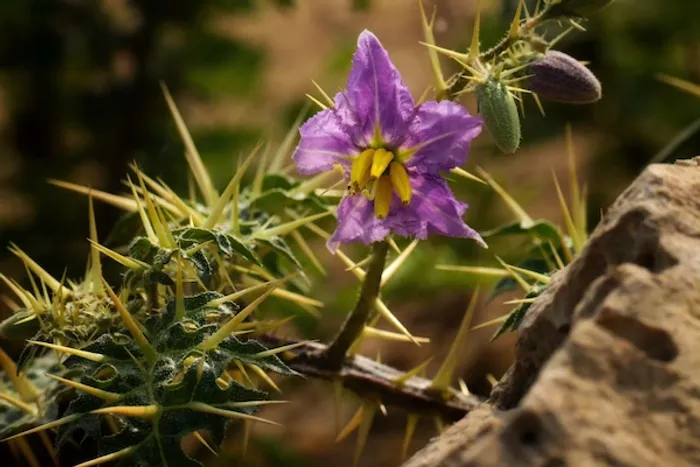
If you’re exploring natural options for respiratory comfort and seasonal wellness, you may have come across Kantakari. This Ayurvedic herb, known botanically as Solanum xanthocarpum (yellow-berried nightshade), is frequently mentioned in traditional Ayurvedic texts for its role in supporting the lungs and throat. In Ayurveda, herbs are often used to maintain balance, and Kantakari is commonly linked with comfort during seasonal changes and support for the airways.
In this guide, you’ll find a clear explanation of what Kantakari is, the most talked-about traditional Kantakari benefits, how practitioners typically use it, and the potential side effects and precautions to be aware of before trying it. You will also find practical safety tips and answers to frequently asked questions so you can make informed decisions and work with your healthcare provider confidently.
What is Kantakari? An Ayurvedic Herb Overview
Here is some basic information about kantakari:
Botanical and Traditional Background
- Botanical name: Solanum xanthocarpum (also known as Solanum surattense in some texts)
- Common names: Kantakari, Yellow-berried nightshade
- Family: Solanaceae (the nightshade family)
- Parts used: Traditionally, the whole plant is used, including the roots, stems, leaves, flowers, and fruits, depending on the formulation.
- Place in Ayurveda: Kantakari is described in classical Ayurvedic literature and appears in several traditional formulations designed to support respiratory comfort. It is often grouped with herbs believed to promote balanced mucus (Kapha) and healthy airway function.



Important Context About Evidence
- Traditional use vs modern research: Ayurveda has used Kantakari for centuries, relying on energetic principles and experiential knowledge. Modern clinical research in humans is limited, and most available scientific information comes from laboratory or animal studies. Such studies can offer insights, but do not prove effectiveness in people.
- Safety first: Herbal products can vary widely in quality, potency, and purity. Always consult a qualified clinician, especially if you have a medical condition, are pregnant or breastfeeding, or take prescription medicines.
Kantakari Benefits: What Traditional Ayurveda Says?
People often search for “Kantakari benefits” because this plant has a long history of use in support of the respiratory system. Below are potential benefits as described in traditional practice, accompanied by brief notes on what modern research suggests. These insights are meant to provide clarity, not replace medical advice. Even if an herb has a long historical record, it should not replace required medical treatments.
1) Respiratory Comfort and Mucus Balance
Traditional Perspective
Kantakari is traditionally used to support clear breathing, soothe occasional cough, and help the body naturally clear excess mucus. Practitioners may recommend it during times when the throat feels irritated or when the chest feels heavy with congestion.
What the Science Says
Preclinical research on Solanum xanthocarpum points to antioxidant and anti-inflammatory properties. These actions may help explain some of its traditional uses, yet high-quality human trials remain scarce. More research is needed to determine whether Kantakari genuinely improves symptoms such as cough or seasonal bronchial discomfort in people.
2) Support During Seasonal Irritation
Traditional Perspective
Ayurvedic practitioners may include Kantakari in personalised plans during seasonal transitions, when many people experience throat tickling, congestion, or occasional wheezing. Its warming and balancing qualities are often highlighted for promoting comfort when environmental conditions fluctuate.
What the Science Says
Laboratory findings suggest that compounds from the plant may have antimicrobial effects. However, laboratory results cannot be assumed to translate directly to human benefit. These findings do not prove Kantakari can prevent or treat viral infections such as colds or influenza. Essential measures like vaccination, hygiene, and supportive medical care remain the foundation of management for seasonal viral illnesses.
3) Digestive Comfort
Traditional Perspective
Some classical Ayurvedic texts include Kantakari for supporting digestion, especially when occasional gas, discomfort, or heaviness in the abdomen arises. It is generally used as part of broader formulations intended to improve digestive fire (Agni) and reduce discomfort.
What the Science Says
Modern clinical evidence is insufficient to confirm digestive benefits in people. Although traditional uses are longstanding, persistent digestive symptoms should always be evaluated by a healthcare professional to rule out underlying issues.
4) General Wellness Support
Traditional Perspective
Kantakari is included in several classic formulations designed to promote resilience and comfort in the respiratory tract. It is often used to help maintain overall wellness when environmental exposures or personal tendencies create imbalances in the airways.
What the Science Says
Human evidence so far is limited and not robust. As with most Ayurvedic herbs, Kantakari should be viewed as a complementary support rather than a replacement for clinically recommended care or prescribed medications.
How Ayurvedic Practitioners Use Kantakari?
Some ways in which ayurvedic practitioners use kantakari include:
Common Approaches in Traditional Practice
- Combined with other herbs: Practitioners may blend Kantakari with herbs that support Kapha and Vata balance, particularly when the lungs and throat require additional comfort.
- Used in various forms: These may include powders (churna), decoctions (kashaya), herbal syrups, tablets, and ghee-based preparations. The specific form chosen often depends on constitution (prakriti), symptoms, and seasonal factors.
- Used short-term for symptom support: Ayurvedic practitioners may recommend it during periods of seasonal throat or chest discomfort rather than as a long-term herb unless part of a structured plan.
- Paired with lifestyle guidance: This often includes warm fluids, steam inhalation, gentle spices in cooking (as tolerated), adequate rest, and avoiding known triggers such as cold drafts, irritants, or overly heavy foods.
Practical Tips if You’re Considering This Ayurvedic Herb
Here are some practical tips on how to use it:
Safe and Thoughtful Use
- Consult first: Speak to a licensed healthcare professional or qualified Ayurvedic practitioner, especially if you have asthma, COPD, chronic cough, heart, kidney, or liver disease.
- Source matters: Choose products from reputable brands that provide identity testing and contaminant screening for heavy metals, pesticides, and adulterants.
- Start low, go slow: Begin with the lowest suggested amount on the label, observe how you feel, and avoid combining Kantakari with other herbs or supplements without guidance.
- Do not replace prescribed treatments: If you use inhalers, allergy medicines, or other prescriptions, continue them unless your prescriber advises otherwise.
- Track your symptoms: Keep a simple record of throat comfort, breathing ease, and any side effects. Share this with your clinician for tailored guidance.
Potential Side Effects and Risks
Because Kantakari belongs to the nightshade family, some individuals may be more sensitive to its compounds, particularly at higher doses or when using low-quality products. Potential side effects and risks include:
Possible Side Effects
- Digestive upset such as nausea, abdominal discomfort, or loose stools
- Headache or dizziness in sensitive individuals
- Allergic reactions, including rash, itching, or swelling; discontinue use and seek care if these occur
- Potential herb–drug interactions, especially with blood thinners, blood pressure medicines, diabetes medicines, and sedatives
Who Should Avoid Kantakari or Use it With Extra Caution?
Avoid or do not use kantakari in the following situations:
- Pregnancy and breastfeeding: Safety data are insufficient, so avoid unless your clinician specifically recommends it.
- Children: Use only under professional guidance.
- Nightshade allergy: Avoid if you have a known allergy to Solanaceae family plants.
- Chronic conditions: Those with asthma requiring daily control, COPD, heart, kidney, or liver disease, or those taking multiple medications should consult their healthcare provider before use.
- Before surgery: Many supplements are discontinued 1–2 weeks before surgery to avoid interactions with bleeding, blood sugar, or anaesthesia. Follow your surgeon’s guidance.
What to Expect and When to Seek Medical Care?
Here is what you may experience and identification tips on when to seek medical care:
What to Expect?
If a qualified practitioner suggests Kantakari, improvements in throat comfort or mucus clearance may be gradual, typically over several days or weeks. If you notice any side effects or worsening of symptoms, discontinue use and seek advice immediately.
Seek Medical Care Immediately If You Experience:
- Difficulty breathing, chest pain, swelling of the lips or face, or hives
- High fever, persistent cough lasting longer than three weeks, or coughing up blood
- An asthma flare that does not improve with your action plan
- Signs of dehydration or confusion
Self-Care Tips That Complement Traditional Use
Self-care tips include:
- Stay well hydrated with warm water, light soups, and herbal teas if appropriate.
- Use a humidifier or steam inhalation if throat dryness is bothersome.
- Practise hand hygiene and follow vaccination guidance for seasonal infections.
- Avoid smoke exposure and known environmental triggers.
- Follow your asthma or allergy action plan if you have one.
Conclusion
Kantakari is an Ayurvedic herb with a long history of use for respiratory and seasonal comfort, yet modern research is still developing. While traditional practices highlight its potential, these insights should be balanced with practical safety considerations and medical guidance. Choosing high-quality products, monitoring your response, and consulting a clinician can help ensure safe use. Kantakari may offer gentle support, but it works best when combined with healthy lifestyle habits and appropriate medical care. As with all herbs, thoughtful and informed use is essential.
More articles from General Medical Consultation




Frequently Asked Questions
What is Kantakari, and what is it used for?
Kantakari (Solanum xanthocarpum) is an Ayurvedic herb traditionally used to support respiratory comfort, help the body clear mucus, and soothe the throat. It appears in several classic Ayurvedic formulations. Modern research in humans is limited, so it is best used as a complementary measure under professional guidance.
Are the claimed Kantakari benefits proven by science?
Not yet. Evidence mainly comes from traditional texts and laboratory or animal studies, suggesting antioxidant and anti-inflammatory properties. High-quality human studies are limited, and more research is needed to confirm its benefits for symptoms such as cough or bronchial discomfort.
Can Kantakari treat or cure asthma?
No. Kantakari should not replace prescribed asthma treatments. Those with asthma should follow their action plan, use inhalers as directed, and consult their clinician before using any herbal product.
Is Kantakari safe to take with my medications?
It depends. Herbal products may interact with prescription medicines, including blood thinners, blood pressure medicines, diabetes medicines, and sedatives. Always discuss new supplements with your clinician or pharmacist.
How should I take Kantakari, and for how long?
The appropriate form, amount, and duration depend on your health, constitution, and the specific product. Avoid self-dosing high amounts. Follow the product label and consult a qualified practitioner for personalised advice.