



Kokilaksha: Ayurveda Benefits, Uses & Side Effects
Learn about Kokilaksha benefits, traditional uses, men’s health and joint pain relief potential, safety, side effects, and how to use this Ayurvedic herb.

Written by Dr. J T Hema Pratima
Reviewed by Dr. Dhankecha Mayank Dineshbhai MBBS
Last updated on 14th Jan, 2026
Introduction
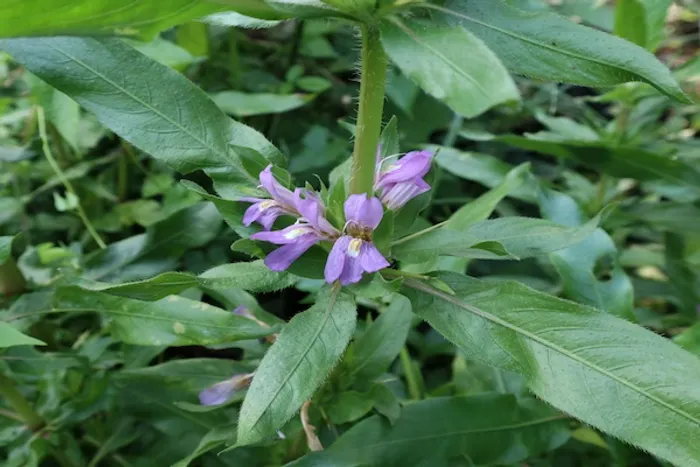
Kokilaksha is attracting renewed interest among people exploring traditional herbs for urinary comfort, men’s health, vitality, and relief from occasional joint discomfort. Identified in Ayurveda with Hygrophila auriculata (also known as Asteracantha longifolia or marsh barbel), this hardy wetland plant features in classical formulations for genitourinary balance, reproductive support, and musculoskeletal ease. Although centuries of traditional use provide a foundation for curiosity, modern scientific evidence remains limited, and human studies are still in early stages. This guide explains what Kokilaksha is, its traditional and potential benefits, how it is typically used, and the safety precautions to understand before considering it as part of your wellness plan. The goal is to help you make an informed, safe decision in partnership with your healthcare professional.



What is Kokilaksha?
Kokilaksha has a long-standing place in Ayurvedic literature, where it appears in formulations intended for urinary, metabolic, and reproductive wellbeing. While different regions may use the same name for slightly different species, the plant most commonly associated with Kokilaksha in modern Ayurvedic practice is Hygrophila auriculata, a plant recognised for its spiny appearance and affinity for marshy areas.
Botanical Background
- Traditionally linked with Hygrophila auriculata or Asteracantha longifolia
- Often referred to as the marsh barbel in English
- Widely used in South Asian herbal traditions
- Herbal products should list the correct Latin botanical name for clarity and safety
Traditional Uses in Ayurveda
- Support for urinary tract health and fluid balance
- Male reproductive wellness and vitality
- Occasional joint and muscle discomfort
- General strengthening and rejuvenation purposes in traditional practice
Evidence Snapshot
- Laboratory and animal studies suggest antioxidant, diuretic, and anti-inflammatory actions
- Human studies are sparse and of limited scale
- Benefits cannot be considered proven for medical conditions
Top Kokilaksha Benefits in Ayurveda
These benefits reflect traditional Ayurvedic applications, supported in some areas by early experimental studies. They should be viewed as complementary rather than primary treatments.
Kokilaksha for Men’s Health
Traditional Perspective
- Classified among herbs used to support reproductive vitality
- Appears in classical formulations aimed at enhancing strength, balance, and stamina
- Sometimes combined with other herbs in compound preparations
What Modern Research Suggests?
- Early research focuses mostly on animal and laboratory studies
- Some findings suggest antioxidant activity and possible hormone-modulating effects
- Insufficient human data to confirm benefits for libido, fertility, or erectile function
Practical Takeaway
- Kokilaksha may be considered a complementary option if you enjoy Ayurveda
- Evidence-based measures such as exercise, mental well-being, good sleep, stress management, and clinical assessment remain the foundation of men’s health
- Anyone experiencing erectile dysfunction or fertility concerns should seek medical evaluation, as these symptoms can indicate underlying health issues
Kokilaksha and Joint Pain Relief
Traditional Perspective
- Used for musculoskeletal stiffness and discomfort
- Included in formulations intended to balance inflammation in Ayurveda
What Research Suggests?
- Some animal studies indicate anti-inflammatory potential
- No strong human trials confirm improvement in arthritis or chronic pain
- Effects, if any, are expected to be mild and supportive rather than therapeutic
Evidence-Based Support
- Low-impact exercise, physiotherapy, weight management, and strength training
- Hot/cold therapy and mindful movement practices such as yoga and tai chi
- Clinician-guided medications and interventions when required
Urinary and Kidney Support
Traditional perspective
- Known as a diuretic herb that promotes urine flow
- Used historically for urinary comfort and fluid balance
What research suggests?
- Animal studies show diuretic effects
- Human safety and efficacy data are limited
- Extra caution is needed for people with kidney, heart, or blood pressure conditions
Liver and metabolic support
Traditional perspective
- Found in some Ayurveda formulations for digestion, metabolism, and liver wellness
Research insights
- Laboratory studies show antioxidant and hepatoprotective effects
- Human evidence remains preliminary
- Individuals with liver disease should avoid herbal supplements without clinical guidance
How Kokilaksha is Used in Practice?
Kokilaksha is used as
Common forms
- Powders (churna)
- Capsules and tablets
- Decoctions (kashaya)
- Traditional Ayurvedic compounds combining several herbs
General guidance
- Follow label instructions from reputable brands
- Begin with the lowest effective amount to assess tolerance
- Reevaluate after 4–8 weeks to determine usefulness
- Stop immediately if adverse effects occur
Safety, Side Effects, and Interactions of Kokilaksha
Rigorous human studies are limited; the full safety profile is not completely established. Caution is important when starting any new herbal product.
Possible Side Effects
- Digestive discomfort, such as nausea or loose stools
- Increased urination due to diuretic effects
- Headache or dizziness, especially if dehydrated
- Allergic reactions such as rash or itching
Who Should Avoid or Use Caution?
- Pregnant or breastfeeding individuals
- Children
- People with kidney, liver, or heart conditions
- Individuals on multiple medications
- Anyone awaiting surgery (stop at least 1–2 weeks before unless advised otherwise)
Medication interactions
- Diuretics: Additive effects may cause dehydration or electrolyte imbalance
- Blood pressure medications: Potential for amplified low blood pressure
- Diabetes medications: May influence blood sugar and require monitoring
- Anticoagulants or NSAIDs: Some herbs affect bleeding tendency; discuss with a clinician
- Hormone therapies or fertility treatment: Consult your specialist first
Who Might Consider Kokilaksha?
Kokilaksha can be considered by:
Possible candidates
- Adults interested in traditional Ayurveda who want gentle support for urinary comfort or vitality
- People exploring complementary wellness strategies alongside medical care
- Individuals willing to monitor their health, note side effects, and communicate with a clinician
Who should seek medical advice first?
Seek medical advice immediately if you belong to below classes:
- Men experiencing erectile dysfunction, fertility problems, or urinary symptoms
- Anyone with chronic joint pain, swelling, or stiffness
- People with unexplained fatigue or metabolic symptoms
Smarter Supplement Shopping Tips
The smart shopping tips include:
How to choose safely?
- Select products labelled Hygrophila auriculata or Asteracantha longifolia
- Prefer third-party tested brands for purity and potency
- Choose single-ingredient products when starting out
- Avoid proprietary blends with undisclosed quantities
- Look for evidence of heavy metal testing
- Keep a written list of supplements to share with healthcare providers
Lifestyle Strategies with Strong Evidence
Lifestyle strategies to support include:
For men’s health
- Regular cardiovascular exercise to support circulation
- Adequate sleep for hormone balance
- Stress management through mindfulness, therapy, or breathing techniques
- Healthy eating patterns that support metabolic health
- Medical treatment for conditions such as high blood pressure, diabetes, or cholesterol
For joint health
- Gentle movement, strengthening exercises, and stretching
- Physiotherapy programmes tailored to your needs
- Weight management to reduce joint load
- Heat and cold therapies to ease symptoms
- Medical treatments, when indicated
How to Talk to Your Clinician About Kokilaksha?
Tips to talk to your clinician about Kokilaksha are:
Preparing for the discussion
- Bring the product or an image of the label
- List all supplements and medications you currently take
- Explain your goals clearly (e.g., urinary comfort, joint support, vitality)
- Ask how to monitor for side effects or interactions
- Check if better-studied alternatives may be more suitable
Conclusion
Kokilaksha is a respected herb within Ayurvedic practice, valued for supporting urinary comfort, men’s vitality, and occasional musculoskeletal ease. While traditional use is extensive, modern research is still developing, and strong human evidence is limited. This means expectations should remain realistic, and safety should stay at the forefront. When chosen thoughtfully, sourced from reputable brands, and used alongside evidence-based lifestyle measures, Kokilaksha may serve as a gentle complementary option for some people. Always discuss use with your clinician, especially if you have medical conditions or take medications, to ensure a safe and balanced approach to your wellbeing.
More articles from General Medical Consultation


.webp)
Frequently Asked Questions
What is Kokilaksha?
Kokilaksha refers to an Ayurvedic herb most commonly linked with Hygrophila auriculata. It has traditional uses for urinary support, reproductive balance, and general vitality. While laboratory studies show interesting biological actions, human research is still limited, meaning it should be approached as a complementary option rather than a substitute for clinical care.
What are the main Kokilaksha benefits people look for?
Many people explore Kokilaksha for men’s health, occasional joint discomfort, urinary support, or overall well-being. These uses stem from Ayurvedic tradition and early research, but strong clinical evidence in humans is still lacking. Benefits, if any, are expected to be modest and supportive.
Is Kokilaksha good for joint pain?
Kokilaksha is used traditionally for musculoskeletal ease, and some preliminary studies show anti-inflammatory potential in non-human models. However, there is not enough human research to confirm meaningful improvements in joint pain. Evidence-based treatments such as exercise therapy, physiotherapy, weight management, and clinician-guided medication remain the most reliable options.
Is Kokilaksha safe? Are there side effects?
Short-term use appears tolerated by many people, but the full safety profile is not well defined due to limited studies. Potential side effects may include digestive upset, headache, dizziness, increased urination, or rare allergic reactions. People with medical conditions, those taking medications, pregnant or breastfeeding individuals, and children should avoid it unless advised by a clinician.
How should I take Kokilaksha, and how long until I notice effects?
Kokilaksha is available as powders, decoctions, capsules, or part of traditional formulations. There is no standard scientifically validated dose for humans, so it is important to follow label instructions from reputable brands. Many people reassess progress after 4–8 weeks. If no benefit is felt or side effects occur, it is sensible to discontinue and consult a healthcare professional.