


Lemongrass: Ayurvedic Uses, Benefits, and Side Effects
Discover lemongrass benefits, Ayurvedic uses, side effects, and safe herbal tea recipes. Evidence-based tips on this Ayurvedic plant for everyday wellness.

Written by Dr. Siri Nallapu
Reviewed by Dr. Dhankecha Mayank Dineshbhai MBBS
Last updated on 13th Jan, 2026
Introduction
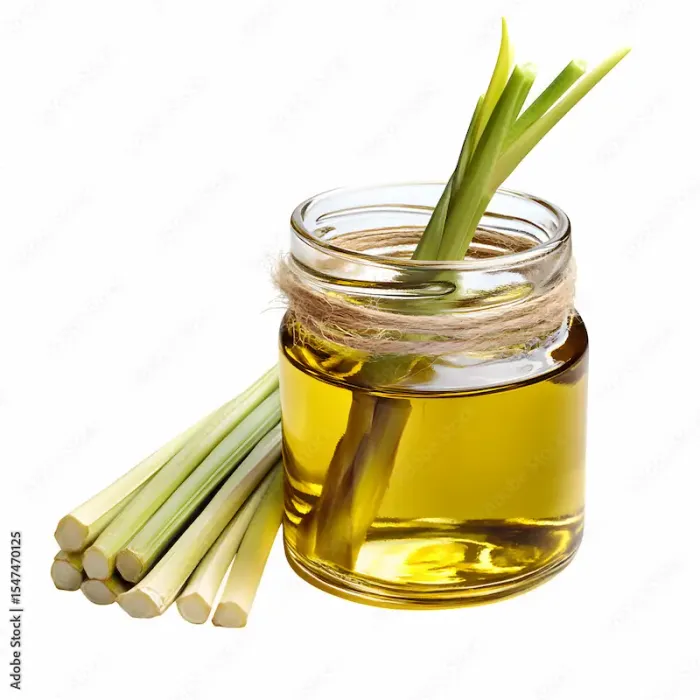
Lemongrass is a fresh, lemon-scented plant commonly brewed as a herbal tea and used in cooking. It also has a long history in traditional systems like Ayurveda. If you’ve heard about lemongrass benefits and wonder what’s truly supported by science, how to use it safely, and who should avoid it, this guide is for you. Below, we explain what lemongrass is, how it’s used among Ayurvedic plants, the potential health effects, side effects, and practical ways to enjoy it safely.
What is lemongrass?
• Lemongrass is the common name for several species in the Cymbopogon genus, most often Cymbopogon citratus (West Indian lemongrass) and C. flexuosus (East Indian lemongrass).
• It’s widely used in Asian, African, and Latin American cuisines and as a fragrant ingredient in teas and essential oils.
• Its citrusy aroma mainly comes from compounds like citral.
Lemongrass in Ayurveda: Traditional perspective
In Ayurveda, lemongrass is appreciated for its aromatic, warming qualities and is traditionally used to support digestion and overall comfort. You may see it recommended for:
• Digestive support and occasional bloating
• Comfort during seasonal changes (e.g., with warm teas)
• Topical use (diluted essential oil) for soothing massage
• Steam inhalation for its pleasant aroma
Important note: Traditional use does not guarantee proven medical benefits. Modern scientific evidence is still limited for many Ayurvedic plants, including lemongrass, and most data come from lab or animal studies rather than large human trials.
Consult Top Specialists
Top lemongrass benefits: What the science suggests
While lemongrass has promising properties in lab settings, human research is still emerging. Consider these potential areas, with a cautious, evidence-informed view:
1) Digestive comfort (mild, traditional use)
• Warm lemongrass herbal tea is commonly used for general digestive comfort.
• Evidence: Research in humans is limited. Most support comes from traditional use and laboratory studies on compounds found in lemongrass. If you experience ongoing digestive symptoms, see a clinician to rule out underlying conditions.
2) Antimicrobial and antifungal activity (lab-based)
• Lemongrass essential oil (rich in citral) has shown antimicrobial and antifungal effects in test-tube studies.
• What it means for you: Lab results don’t directly translate to effective treatment in people. Do not use lemongrass to replace prescribed antibiotics or antifungals. Essential oils should not be ingested.
3) Anti-inflammatory and antioxidant effects (primarily lab-based)
• Extracts of lemongrass demonstrate anti-inflammatory and antioxidant activity in cell and animal studies.
• Practical takeaway: These findings are promising but not definitive. A balanced diet with fruits, vegetables, whole grains, and regular exercise still has the strongest evidence for reducing inflammation and oxidative stress.
4) Calm and relaxation (sensory and ritual benefits)
• The pleasant citrus aroma and the ritual of sipping a warm herbal tea may feel calming for many people.
• Evidence: Small human studies on aroma-related stress reduction exist for some essential oils, but rigorous data specific to lemongrass are limited. Consider it a soothing routine rather than a proven treatment for anxiety or insomnia.
5) Metabolic and cardiovascular markers (early evidence)
• Some small, preliminary studies and traditional reports suggest lemongrass could influence markers like blood pressure or cholesterol, but results are inconsistent and not sufficient for clinical recommendations.
• If you take blood pressure or cholesterol medications, talk with your clinician before using lemongrass in medicinal amounts, and do not stop any prescribed treatment.
6) Insect-repellent note
• Citronella oil (from related Cymbopogon species, not the same as culinary lemongrass) is used in some natural repellents. This is related but distinct from lemongrass used in tea.
How to use lemongrass safely?
Culinary uses
• Fresh stalks: Bruise and simmer in soups, curries, and broths; remove before serving.
• Dried lemongrass: Add to spice blends or teas.
• Culinary amounts are generally recognized as safe for most people.
Lemongrass herbal tea: Simple preparation
• Fresh: Slice 1–2 stalks (white, tender part), lightly crush, and simmer in 1–2 cups of water for 5–10 minutes. Strain before drinking.
• Dried: Use about 1–2 teaspoons per cup of hot water; steep 5–10 minutes; strain.
• Serving ideas: Enjoy plain, or add ginger, mint, or a squeeze of lemon. It’s naturally caffeine-free.
• Typical intake: 1–3 cups per day is a common range for healthy adults. Start with a smaller amount to see how you respond.
Essential oil (for aromatherapy or diluted topical use)
• Do not ingest essential oils. Even small amounts can be toxic if swallowed and are not recommended for internal use.
• Aromatherapy: Use in a diffuser per product instructions in a well-ventilated space.
• Topical: Always dilute with a carrier oil (e.g., coconut or jojoba). A common dilution is 1–2 drops of essential oil per teaspoon of carrier oil. Patch test first to check for irritation.
• Keep essential oils out of reach of children and pets.
Supplements
• Lemongrass capsules or concentrated extracts exist, but quality and dosing vary.
• Dietary supplements are not tightly regulated like prescription drugs. Choose products tested by independent quality programs when possible, and talk with your healthcare provider before use—especially if you have health conditions or take medications.
Side effects, risks, and interactions
• Most people tolerate culinary amounts of lemongrass well. Higher amounts (concentrated teas, extracts, or oils) increase the chance of side effects.
Possible side effects
• Stomach upset, nausea, or heartburn, especially with large quantities
• Dizziness or headache (less common)
• Allergic reactions (rash, itching, swelling), particularly in those allergic to grasses
• Skin irritation with topical use of essential oils, especially if not diluted
Important cautions
• Pregnancy and breastfeeding: There isn’t enough reliable safety information for medicinal amounts of lemongrass or essential oil. Culinary amounts in food are generally considered acceptable, but avoid concentrated products and essential oil unless your clinician advises otherwise.
• Children: Keep essential oils and supplements away from children. Do not give essential oils by mouth.
• Medical conditions: If you have liver, kidney, heart, or metabolic conditions, consult your clinician before using medicinal amounts of lemongrass. Essential oils can be risky if ingested and may interact with underlying conditions.
• Medication interactions: Lemongrass may potentially add to the effects of medications that lower blood pressure or blood sugar or that act as diuretics. If you take these medications, monitor closely and talk with your healthcare provider before using lemongrass in medicinal amounts.
• Surgery: As a general precaution with supplements and herbal products, stop nonessential herbal preparations at least 1–2 weeks before surgery unless your surgeon advises otherwise.
• Pets: Essential oils (including lemongrass) can be toxic to pets if ingested or applied to their skin/fur. Consult your veterinarian before using essential oils around animals.
Who should avoid lemongrass or talk to a clinician first?
• You are pregnant, trying to conceive, or breastfeeding (avoid medicinal amounts and essential oil)
• You take medications for blood pressure, blood sugar, or diuretics
• You have a history of severe allergies, especially to grasses
• You have chronic liver, kidney, or heart conditions
• You are considering supplements or concentrated extracts beyond culinary use
Everyday tips to choose quality lemongrass
• Fresh: Look for firm, pale-green stalks with no slimy or dry ends. Store refrigerated, wrapped, for up to 1–2 weeks, or freeze chopped pieces.
• Dried tea: Choose products from reputable brands. The ingredient list should be straightforward (e.g., “lemongrass”).
• Essential oil: Look for the botanical name (e.g., Cymbopogon citratus) and “100% pure essential oil.” Prefer brands that provide GC/MS testing or third-party quality verification. Store in dark glass, away from heat and sunlight.
When to seek medical care?
• You develop signs of an allergic reaction: hives, swelling of lips/tongue/throat, trouble breathing—call emergency services.
• You experience severe or persistent vomiting, abdominal pain, or dizziness after use.
• A child or adult ingests essential oil—contact your local poison control center immediately.
Practical ways to enjoy lemongrass herbal tea
• Classic lemongrass tea: Simmer lemongrass with ginger slices; add a squeeze of lemon once cooled slightly.
• Cooling mint blend: Steep lemongrass with a few fresh mint leaves for 5 minutes.
• Golden lemongrass: Add a pinch of turmeric and a crack of black pepper to lemongrass tea for a warming, aromatic cup.
Consult Top Specialists
Consult Top Specialists

Dr. Shiv Prakash Singh
Ayurveda Practitioner
19 Years • BAMS
Kolkata
Vedhive Ayurveda College Street, Kolkata

(50+ Patients)

Dr. Anjan Das
Ayurveda Practitioner
8 Years • Ayurvedacharya ( B.A.M.S )
Dumdum
Vedhive Ayurveda Clinic, Dumdum

Dr. Rik Sadhukhan
Ayurveda Practitioner
8 Years • BAMS
Kolkata
Vedhive Ayurveda, Ballygunge, Kolkata
Consult Top Specialists
Dr. Shiv Prakash Singh
Ayurveda Practitioner
19 Years • BAMS
Kolkata
Vedhive Ayurveda College Street, Kolkata
(50+ Patients)
Dr. Anjan Das
Ayurveda Practitioner
8 Years • Ayurvedacharya ( B.A.M.S )
Dumdum
Vedhive Ayurveda Clinic, Dumdum
Dr. Rik Sadhukhan
Ayurveda Practitioner
8 Years • BAMS
Kolkata
Vedhive Ayurveda, Ballygunge, Kolkata
More articles from General Medical Consultation




Frequently Asked Questions
1) What is the best time to drink lemongrass tea?
Any time you want a caffeine-free, aromatic drink. Many people enjoy it after meals for a soothing routine. If you find you urinate more after drinking tea, avoid it close to bedtime.
2) Can lemongrass tea help with weight loss?
There’s no strong human evidence that lemongrass tea causes weight loss. It can be part of a healthy routine by providing a low-calorie beverage and supporting hydration, but sustainable weight changes come from overall diet and activity patterns.
3) Is lemongrass safe during pregnancy?
Culinary amounts used in food are generally considered acceptable. However, avoid medicinal doses (strong teas, extracts, supplements) and essential oil unless your healthcare provider advises otherwise due to limited safety data.
4) Can I take lemongrass essential oil by mouth?
No. Do not ingest essential oils. Even small amounts can be toxic and may cause serious side effects. Use essential oils only for aromatherapy or diluted topical application, and keep them away from children and pets.
5) How much lemongrass tea is safe per day?
For most healthy adults, 1–3 cups per day is a common range. Start with a small amount to see how you respond. If you take medications (for blood pressure, blood sugar, or diuretics) or have medical conditions, talk with your clinician first.