


Poha: Nutrition, Benefits, Breakfast Ideas, and Healthy Recipes
Discover poha benefits, nutrition facts, and healthy breakfast ideas with easy recipes, smart swaps, and tips for balanced blood sugar and heart health.

Written by Dr. M L Ezhilarasan
Reviewed by Dr. Mohammed Kamran MBBS, FIDM
Last updated on 13th Jan, 2026
Introduction
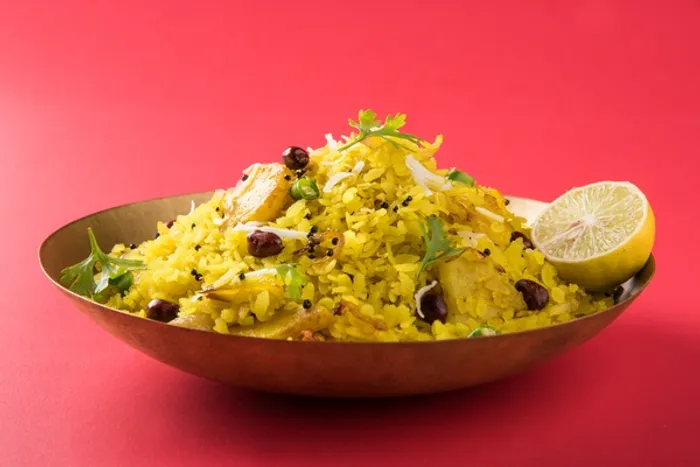
Poha also known as flattened rice, aval, or chivda is a quick-cooking, budget-friendly staple commonly found in Indian kitchens. Many families enjoy it because it is light, tasty, and incredibly versatile. Whether you cook for yourself or an entire household, poha fits into busy mornings without fuss. It takes only a few minutes to prepare, absorbs flavours beautifully, and pairs well with vegetables, herbs, and protein sources such as eggs or sprouts.
If you’re interested in understanding poha benefits, how to make it healthier, and how to create a balanced breakfast bowl that keeps you full for longer, this guide will walk you through everything—what poha is, how to choose it, how to store it, and creative recipe ideas for everyday use.
What Is Poha?
Poha is steamed rice that has been flattened into light, thin flakes. It softens quickly when rinsed or soaked briefly in water and then becomes ready to cook. You will typically find:
- Thin poha: Softens extremely fast and becomes fluffy, ideal for lighter dishes or recipes without heavy ingredients.
- Thick poha: Holds its structure better, great if you enjoy a bit of bite or want to add vegetables and protein.
Poha is naturally gluten-free because it is made from rice. However, individuals with coeliac disease or gluten sensitivity should read labels carefully and check for cross-contamination during processing or in spice mixes.
Another reason poha is loved is its neutral flavour—it easily takes on the aroma of curry leaves, mustard seeds, turmeric, ginger, or any favourite seasoning.
Consult a Top Nutritionist for Personalised Advice
Poha Nutrition and Health Benefits
Poha is much healthier than many packaged breakfast cereals or fried snacks. Its nutritional value depends on portion size and how you prepare it. When cooked thoughtfully, it becomes a balanced, energising meal.
Benefits include:
Provides morning energy
- Poha is rich in carbohydrates—the body’s preferred source of energy for brain function and daily activity.
- When served with protein and vegetables, poha supports steadier energy through the morning, reducing mid-day cravings.
Light and easy to digest
- Poha is gentle on the stomach
- Many people find it easier to digest than wheat-heavy breakfasts or oily snacks.
Naturally gluten-free
- Plain poha suits people following gluten-free eating patterns
- Always check seasoning packets and spice mixes if you are highly sensitive.
Fibre upgrade with simple additions
- Standard white poha contains modest fibre.
- You can increase fibre content by adding vegetables or using red or brown rice poha.
Examples of high-fibre add-ins:
- Mixed vegetables such as carrots, peas, bell peppers, or spinach
- Legumes such as chickpeas or moong sprouts
- Red rice poha or brown rice poha, when available
Dietary fibre supports digestion, gut health, and sustained fullness.
Heart-smart when cooked with healthy fats
- Poha itself contains almost no fat.
- You control the type and quantity of oil used.
- Use minimal plant oils and choose flavourful herbs to reduce salt.
Healthy fat additions include:
- A few roasted peanuts
- Seeds such as sunflower or pumpkin seeds
- Mustard oil, olive oil, or peanut oil in small amounts
Blood sugar friendly with balanced additions
- Poha is refined and can raise blood glucose when eaten on its own.
- Pairing it with vegetables, protein, and fats slows down digestion and helps maintain a steadier blood sugar response.
Balancing ingredients include:
- Eggs, tofu, or sprouts
- Peanuts or seeds for healthy fats
- Plenty of leafy greens, peppers, or onions
Micronutrients and iron in fortified poha
- Some store-bought poha may be fortified with iron or folate—check the label.
- Adding lemon juice (vitamin C) improves iron absorption.
Low in saturated fat
- Fat content depends entirely on the cooking method.
- Packaged poha snack mixes (like chivda) are often fried and high in salt.
- Homemade poha lets you keep it wholesome.
How to Choose and Store Poha?
Choosing the right type of poha helps you control the texture and quality of your dish.
Select thickness based on recipe
- Thin poha → for soft, fluffy bowls
- Thick poha → for stir-fries with mix-ins
Read product labels carefully
- Look for mentions of iron fortification if that matters to you.
- Review the sodium and oil content in ready-to-eat flavoured packs.
Storage tips
The storage tips include:
- Store poha in an airtight container.
- Keep it in a cool, dry cupboard away from moisture.
- Use dry measuring cups to prevent clumping and spoilage.
- Poha lasts well without refrigeration, making it an ideal pantry staple.
Healthy Breakfast Ideas with Poha
If you want variety and quick meals, here are some simple and healthy ideas:
- Vegetable-loaded poha with peas, carrots, onions, and spinach
- Sprouts poha with peanuts and lemon
- Egg bhurji poha (or tofu scramble poha for a plant-based option)
- Cooling curd + poha bowl with cucumber and crushed peanuts
- Red rice poha stir-fried with tofu and colourful peppers
- Poha upma with grated carrots, beans, and a splash of lime
- Turmeric-tadka poha packed with curry leaves and greens
Because poha cooks in minutes, these ideas help reduce morning stress while keeping nutrition balanced.
Healthy Poha Recipes
Classic Vegetable Poha (Serves 2)
Ingredients
- 1 cup thick poha
- 1 tablespoon plant oil
- ½ teaspoon mustard seeds
- ½ teaspoon cumin seeds
- 1 small onion, finely chopped
- 1–2 green chillies (optional)
- ½ cup peas and ½ cup carrots
- ¼ teaspoon turmeric
- Salt to taste
- 2 tablespoons roasted peanuts
- Fresh lemon and chopped coriander
Directions
- Rinse poha under water in a colander and drain well.
- Heat oil; add mustard and cumin seeds until they splutter.
- Add onion and chillies; cook until softened.
- Add peas, carrots, and turmeric; cook until the vegetables soften.
- Add poha and salt; gently toss on low heat for 2–3 minutes.
- Turn off the heat and top with peanuts and coriander.
- Add lemon juice before serving.
Make it healthier
- Add spinach or bell peppers.
- Limit oil to one tablespoon.
- Pair with boiled eggs or yoghurt for protein.
Protein-Packed Sprouts Poha (Serves 2)
Ingredients
- 1 cup thick poha
- 1 cup mixed sprouts
- 1 tablespoon oil
- ½ teaspoon mustard seeds
- ½ teaspoon cumin seeds
- 1 onion and 1 tomato, chopped
- ¼ teaspoon turmeric
- Salt and pepper
- Lemon juice and coriander
Directions
- Heat oil; sauté mustard and cumin seeds
- Add onion and cook until soft.
- Add tomato, turmeric, and a splash of water; cook for two minutes.
- Stir in sprouts; cover and steam for two–three minutes.
- Add poha and salt; toss gently.
- Finish with lemon, pepper, and coriander.
Why it works
Sprouts add protein, fibre, and texture—helping you stay full for longer.
Egg Bhurji Poha (or Tofu Scramble Poha) (Serves 2)
Ingredients
- 1 cup thick poha
- 3 eggs (or 200 g tofu for a vegan option)
- 1 tablespoon oil
- ½ teaspoon cumin seeds
- 1 onion, 1 tomato
- Turmeric and garam masala
- Salt, pepper, coriander
Directions
- Heat oil; add cumin and sauté onion.
- Add tomato, turmeric, and garam masala; cook down.
- Push vegetables aside and scramble eggs or tofu.
- Fold in poha and salt.
- Top with coriander and lemon juice.
Nutrition tip
Eggs (or tofu) balance poha by adding protein and improving satiety.
Dahi Poha Bowl (Cooling Yoghurt Poha) (Serves 2)
Ingredients
- 1 cup thin poha
- 1 cup yoghurt
- ½ cup cucumber
- Peanuts or pumpkin seeds
- Roasted cumin powder, salt, and coriander
Directions
- Whisk yoghurt with salt and cumin.
- Combine poha, cucumber, and yoghurt.
- Top with crushed peanuts and coriander.
Why it works
A refreshing, no-cook bowl ideal for warm days.
Practical Tips to Maximise Poha Benefits
The practical benefits of maximising poha include:
- Rinse poha briefly do not soak it, to prevent mushiness.
- Build a balanced plate with carbohydrate + protein + vegetables.
- Use spices and lemon juice instead of increasing salt.
- Use minimal oil and add nuts or seeds for crunch.
- Try red/brown rice poha when available for more fibre.
- Be mindful of portion size—start with 1 cup cooked poha.
- People with diabetes should pair poha with protein and monitor their response.
- For gluten-free diets, ensure there’s no cross-contamination.
- Allergy swap: replace peanuts with roasted chickpeas or seeds.
These simple techniques turn poha into a wholesome, satisfying meal.
Common Uses Beyond Breakfast
Common uses include:
- Quick lunch: Add leftover vegetables or boiled eggs.
- Light snack: Make a mini portion instead of packaged snacks.
- Meal prep: Chop vegetables ahead; cook poha fresh.
- Lunchbox-friendly: Less spicy versions are great for children.
Poha adapts to flavours easily, making it a convenient everyday dish.
Conclusion
Poha is far more than a quick breakfast—it’s a flexible base for balanced, nourishing meals. By adding vegetables, protein, and healthy fats, you can transform a simple bowl of poha into a complete plate that supports steady energy, digestive comfort, and better food choices throughout the day. Its gentle flavour allows endless variations, whether you crave something savoury, refreshing, high-protein, or comforting.
With mindful preparation—minimal oil, colourful vegetables, a squeeze of lemon, and thoughtful add-ins—poha becomes a dependable, delicious part of a wholesome routine. Whether enjoyed for breakfast, lunch, or a light evening snack, it proves that nutritious food can also be quick, affordable, and satisfying.
Consult a Top Nutritionist for Personalised Advice
Consult a Top Nutritionist for Personalised Advice

Ms. Sushma Jaiswal
Dietician
42 Years • M.Sc.(Food & Nutrition)
Bengaluru
Swasthya Nutrition, Bengaluru

Ms. Neelanjana J
Dietician
5 Years • Bsc., Msc. Nutrition and Dietetics specialised general weight management, PCOS/PCOD weight loss and Diabetes management. A clinical dietitian with 4+ year experience specializing in evidence-based, result-oriented nutrition therapy. I have extensive experience in weight loss, thyroid management, PCOD/PCOS, weight gain, and diabetes & prediabetes care. My approach is personalized, practical, and sustainable—focusing on helping individuals achieve long-term lifestyle change rather than quick fixes. I work closely with clients to understand their medical history, lifestyle, and goals, and then design customized diet plans that support hormonal balance, metabolic health, and overall wellbeing. My goal is to make nutrition simple, realistic, and effective—so you see measurable results and feel your healthiest self.Auther in Health benefits of jackfruit (Artocarpus heterophyllus Lam.) seeds: A review (2023) The Pharma Innovation Journal Co- Auther in Malnutrition in Women: A review (2023) The Pharma Innovation Journal. Highfield Level 3 in HACCP. Highfield Level 4 International Award in Food Safety Managment
Bengaluru
Apollo Clinic, JP nagar, Bengaluru

Ms. Soma Saha
clinical nutrition
17 Years • B.Sc. - Home Science (Food & Nutrition), M.Sc. - Home Science (Food & Nutrition)
Kolkata
Dr Utsa Basu Clinic, Kolkata

(50+ Patients)

Dr. Ramalinga Reddy
General Physician
5 Years • MBBS MD General medicine
Bengaluru
PRESTIGE SHANTHINIKETAN - SOCIETY CLINIC, Bengaluru

Ms Mohanapriya J
clinical nutrition
12 Years • MSc Clinical Nutrition
Chennai
Apollo Sugar Clinics , Greams Road, Chennai
Consult a Top Nutritionist for Personalised Advice
Ms. Sushma Jaiswal
Dietician
42 Years • M.Sc.(Food & Nutrition)
Bengaluru
Swasthya Nutrition, Bengaluru
Ms. Neelanjana J
Dietician
5 Years • Bsc., Msc. Nutrition and Dietetics specialised general weight management, PCOS/PCOD weight loss and Diabetes management. A clinical dietitian with 4+ year experience specializing in evidence-based, result-oriented nutrition therapy. I have extensive experience in weight loss, thyroid management, PCOD/PCOS, weight gain, and diabetes & prediabetes care. My approach is personalized, practical, and sustainable—focusing on helping individuals achieve long-term lifestyle change rather than quick fixes. I work closely with clients to understand their medical history, lifestyle, and goals, and then design customized diet plans that support hormonal balance, metabolic health, and overall wellbeing. My goal is to make nutrition simple, realistic, and effective—so you see measurable results and feel your healthiest self.Auther in Health benefits of jackfruit (Artocarpus heterophyllus Lam.) seeds: A review (2023) The Pharma Innovation Journal Co- Auther in Malnutrition in Women: A review (2023) The Pharma Innovation Journal. Highfield Level 3 in HACCP. Highfield Level 4 International Award in Food Safety Managment
Bengaluru
Apollo Clinic, JP nagar, Bengaluru
Ms. Soma Saha
clinical nutrition
17 Years • B.Sc. - Home Science (Food & Nutrition), M.Sc. - Home Science (Food & Nutrition)
Kolkata
Dr Utsa Basu Clinic, Kolkata
(50+ Patients)
Dr. Ramalinga Reddy
General Physician
5 Years • MBBS MD General medicine
Bengaluru
PRESTIGE SHANTHINIKETAN - SOCIETY CLINIC, Bengaluru
Ms Mohanapriya J
clinical nutrition
12 Years • MSc Clinical Nutrition
Chennai
Apollo Sugar Clinics , Greams Road, Chennai
More articles from General Medical Consultation


.webp)

Frequently Asked Questions
Is poha good for weight loss?
Yes, poha can support weight loss when paired with vegetables and protein, cooked with minimal oil, and consumed in sensible portions.
Is poha good for diabetes?
Poha is refined and can raise blood glucose when eaten alone, but when paired with vegetables, protein, and healthy fats, it becomes more blood sugar-friendly.
Is poha gluten-free?
Yes, plain poha is gluten-free. If you have coeliac disease, check labels to avoid cross-contamination.
Does poha contain iron?
Some brands are fortified with iron. Pair poha with lemon juice to improve absorption.
Which is healthier—poha or oats?
Oats contain more fibre and can support cholesterol reduction. Poha is lighter and very versatile. Both can fit into a healthy diet.