


Puffed Rice Benefits in Ayurveda
Learn puffed rice benefits, Ayurveda insights, nutrition facts, and smart, healthy ways to enjoy it, evidence-informed and easy to follow.

Written by Dr. Mohammed Kamran
Reviewed by Dr. Shaik Abdul Kalam MD (Physician)
Last updated on 13th Jan, 2026
Introduction
Puffed rice, known as murmura, mamra, or kurmura in many South Asian households, is light, crunchy, and incredibly versatile. It appears in traditional Ayurvedic-inspired eating patterns as well as modern breakfast bowls, snack mixes, and street foods. If you’re curious about puffed rice benefits, its nutritional value, and how it fits into both science-based nutrition and Ayurvedic principles, this guide brings it all together. By the end, you’ll know how to enjoy puffed rice wisely, how to balance its limitations, and how to make it part of a nourishing everyday routine.
Consult a Top Ayurveda Doctor for Personalised Advice
What Is Puffed Rice? Nutrition at a Glance
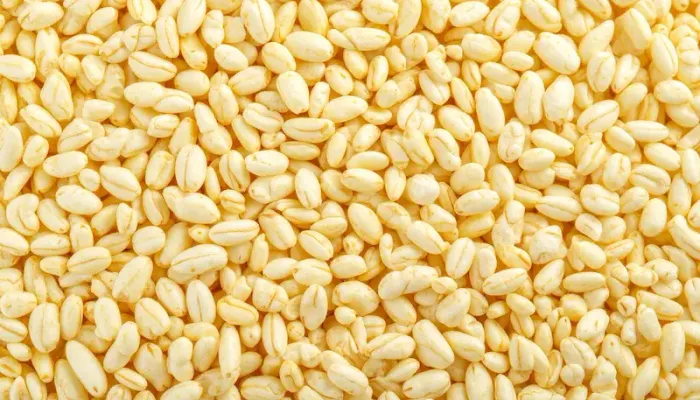
Puffed rice is made by heating rice kernels under high pressure until they expand dramatically. The result is a feather-light cereal with a mild flavour that blends smoothly into sweet or savoury dishes.
Key Nutrition Notes
• Mostly carbohydrates with very little fat
• Modest protein content
• Usually low in fibre unless combined with nuts, seeds, fruits, or legumes
• Low calorie per cup due to its airy volume
• Naturally gluten-free, though certified gluten-free brands are best for those with coeliac disease
• Neutral flavour that adapts easily to multiple recipes
Because of its light texture and low density, it provides quick energy but may not keep you full unless you pair it with ingredients that add protein, fibre, and healthy fats.
Puffed Rice Benefits: The Simple Upsides
Although puffed rice is not a superfood, it does have practical advantages when used mindfully.
Everyday Benefits
• Light and low in fat, making it suitable for those seeking gentle, easy-to-digest foods
• Low-calorie volume that can help with portion satisfaction without heavy energy intake
• Gluten-free, offering a convenient grain option for those avoiding gluten
• Provides quick energy before light exercise or a walk
• Budget-friendly and extremely versatile in both sweet and savoury dishes
By itself, puffed rice is simple fuel. Its true value emerges when you build balanced meals around it.
Ayurveda View On Puffed Rice
Ayurveda views foods through qualities such as heaviness, lightness, warmth, coolness, and digestibility. Puffed rice appears in many culturally rooted snacks like bhel, where it is paired with vegetables, herbs, chutneys, and legumes to create a balanced dish.
Ayurvedic Observations
• Considered light (laghu) and easy to digest when paired well
• Works well in daytime meals or as part of refreshing, vegetable-rich dishes
• Seen as most supportive when combined with ingredients that strengthen digestion, such as ginger, lemon, coriander, or roasted cumin
A Note on Ayurvedic Use
Ayurveda offers traditional insights, not medical prescriptions. While these perspectives can add cultural and practical depth to your meals, they do not replace healthcare guidance or nutrition advice tailored to specific conditions.
Potential Downsides and How to Use Puffed Rice?
Like most refined grain products, puffed rice has limitations, but you can work around them with smart pairing.
High Glycaemic Index (GI)
Puffed rice digests quickly and may cause a rapid rise in blood sugar. Helpful strategies include:
• Pairing with protein and fibre (yoghurt, nuts, seeds, milk, lentils, chickpeas)
• Adding healthy fats (nut butter, seeds) to slow digestion
• Monitoring blood sugar responses if you live with diabetes or prediabetes
Low Fibre and Protein
On its own, puffed rice might leave you hungry soon after eating. To improve satiety:
• Add fruits, vegetables, beans, or seeds for fibre
• Include nuts, yoghurt, fortified plant yoghurts, tofu, or roasted chickpeas for protein
Added Sugars and Sodium in Flavoured Products
Many store-bought puffed rice snacks contain sweeteners or salty seasonings. To build a healthier bowl:
• Choose plain, unsweetened, unsalted versions
• Sweeten gently with fruit or small amounts of honey or date syrup
• For savoury dishes, rely on spices, herbs, lemon, or roasted nuts instead of extra salt
Rice and Arsenic
Rice can naturally accumulate inorganic arsenic from soil and water. Sensible approaches include:
• Varying your grains from week to week
• Offering children a wider mix of grains rather than daily rice-based snacks
Puffed Rice in an Ayurvedic Way
Smart ways to enjoy puffed rice in an Ayurvedic way include:
Breakfast Bowl
• Puffed rice with plain yoghurt or kefir
• Fresh fruit such as berries or a banana
• Flax or chia seeds
• Cinnamon for warmth
A balanced bowl with sustained energy.
Savoury Crunch Salad
• Puffed rice mixed with cucumber, tomatoes, and onions
• Roasted chickpeas for protein
• Lemon juice and roasted cumin
• Herbs like coriander
Light, crunchy, and refreshing.
Nutty Snack Mix
• Puffed rice with roasted nuts and pumpkin seeds
• A handful of raisins for sweetness
• Portion into small bags
A portable, nutritious snack.
Warm Comfort Bowl
• Warm milk or fortified soy milk
• Add puffed rice last to retain crispness
• Top with fruit and walnuts
Gentle and soothing, especially in cooler weather.
Quick Energy Bites
• Puffed rice mixed with nut butter
• Honey to bind
• Sesame seeds
• Roll into small balls
Great for pre-workout energy or an afternoon snack.
Benefits & Cautions About Puffed Rice
Benefits and cautions include:
Could Benefit
• People want light, easily digested meals
• Those needing quick carbohydrates before exercise
• Individuals seeking gluten-free grain diversity
• Anyone looking for budget-friendly, versatile ingredients
Use With Extra Care
• People with diabetes or prediabetes: pair wisely, monitor glucose
• Those who need higher fibre or protein: use puffed rice sparingly or mix with stronger nutrient sources
• Individuals reducing sodium or sugar: avoid flavoured versions
• Infants and young children: rotate grain-based snacks regularly
Puffed Rice Benefits in Everyday Life: Quick Checklist
The benefits include:
• Choose plain, unsweetened, unsalted puffed rice
• Add protein and fibre to every meal
• Watch portions—airy foods overfill easily
• Rotate grains throughout the week
• Treat puffed rice as part of a balanced diet, not a standalone solution
Conclusion
Puffed rice is simple, adaptable, and culturally cherished. While it’s not packed with nutrients on its own, its gentle nature and versatility make it a valuable base for creative, balanced meals. Pairing it with protein, fibre, and healthy fats transforms it from a light snack into a more sustained and nourishing option. Ayurvedic principles and modern nutrition both agree on balance, mindful pairing, and variety. When used thoughtfully, puffed rice can fit beautifully into a wider pattern of wholesome, diverse, and enjoyable eating.
Consult a Top Ayurveda Doctor for Personalised Advice
Consult a Top Ayurveda Doctor for Personalised Advice

Dr. Anjan Das
Ayurveda Practitioner
8 Years • Ayurvedacharya ( B.A.M.S )
Dumdum
Vedhive Ayurveda Clinic, Dumdum

Dr. Shiv Prakash Singh
Ayurveda Practitioner
19 Years • BAMS
Kolkata
Vedhive Ayurveda College Street, Kolkata

(50+ Patients)

Dr. Rik Sadhukhan
Ayurveda Practitioner
8 Years • BAMS
Kolkata
Vedhive Ayurveda, Ballygunge, Kolkata
Consult a Top Ayurveda Doctor for Personalised Advice
Dr. Anjan Das
Ayurveda Practitioner
8 Years • Ayurvedacharya ( B.A.M.S )
Dumdum
Vedhive Ayurveda Clinic, Dumdum
Dr. Shiv Prakash Singh
Ayurveda Practitioner
19 Years • BAMS
Kolkata
Vedhive Ayurveda College Street, Kolkata
(50+ Patients)
Dr. Rik Sadhukhan
Ayurveda Practitioner
8 Years • BAMS
Kolkata
Vedhive Ayurveda, Ballygunge, Kolkata
More articles from General Medical Consultation



Frequently Asked Questions
1) Is puffed rice healthy?
Puffed rice can be part of a healthy eating pattern when you choose plain versions and combine them with protein and fibre. It’s low in fat and easy to digest, but on its own, it is low in fibre and can raise blood sugar quickly. Balance it with nutrient-dense foods.
2) Is puffed rice good for weight loss?
It can fit into a weight-loss plan because it’s relatively low in calories per cup. The key is to build satisfying meals by adding protein, fibre, and healthy fats and to stay within your overall calorie needs. No single food causes weight loss on its own.
3) Does puffed rice raise blood sugar?
Puffed rice has a high glycemic index, so it can raise blood sugar faster than many whole grains. If you have diabetes or prediabetes, pair it with protein and fibre, watch portions, and monitor your blood glucose response.
4) Is puffed rice gluten-free?
Rice is naturally gluten-free. Many plain puffed rice products are gluten-free, but cross-contact can happen during processing. If you have celiac disease or gluten sensitivity, look for a certified gluten-free label.
5) How much puffed rice can I eat in a day?
There’s no single right amount for everyone. Use the nutrition label to fit puffed rice into your daily carbohydrate goals, and build the rest of the meal with protein, fibre, and healthy fats. If you manage blood sugar, your healthcare team can help you personalise portions.