Khesari Benefits
Explore the benefits of Khesari (Lathyrus sativus), a traditional legume known for its high protein content, energy-boosting properties, and role in supporting overall nutrition in balanced diets.

Written by Dr. J T Hema Pratima
Reviewed by Dr. Rohinipriyanka Pondugula MBBS
Last updated on 23rd Feb, 2026
Introduction
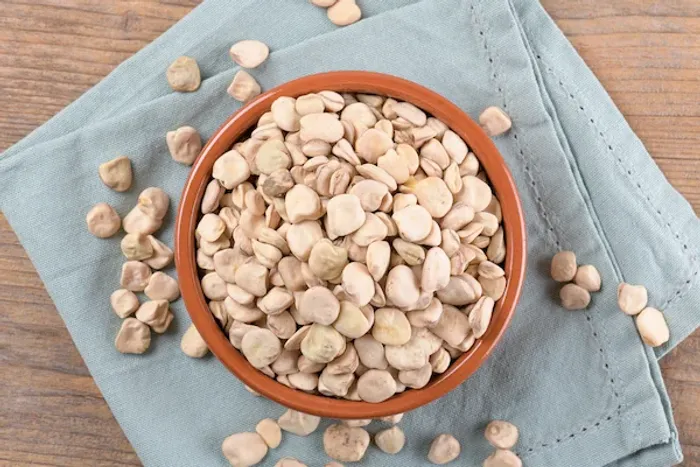
Khesari, also known as Lathyrus sativus or grass pea, is a lesser-known but highly nutritious legume that has been a part of traditional diets in many regions, especially in India. While it has faced some controversy due to its association with a neurological disorder called lathyrism when consumed in excess, when prepared and consumed correctly, khesari can offer several health benefits.
In this article, we’ll explore the nutritional value of khesari, its potential health benefits, precautions to take, and how you can safely include it in your diet.
Nutritional Value of Khesari
Khesari is packed with essential nutrients, making it a valuable addition to a balanced diet. Some key nutrients found in khesari include:
Protein: A great plant-based protein source, especially for vegetarians and vegans.
Dietary Fiber: Supports digestion and gut health.
Vitamins: Contains B vitamins, including folate (B9), which is crucial for cell growth.
Minerals: Rich in iron, calcium, magnesium, and phosphorus.
Low Glycemic Index: Helps in managing blood sugar levels.
Health Benefits of Khesari
Here are the key health benefits of Khesari, a protein-rich legume valued for its nutritional support, energy-boosting properties, and role in traditional diets.
1. Supports Muscle and Tissue Health
Khesari is an excellent source of protein, which is essential for muscle repair, growth, and overall tissue health. Including it in your diet can be particularly beneficial for those who follow a vegetarian or vegan diet.
Consult Top Specialists for Personalised Tips
2. Aids Digestion and Gut Health
The high fiber content in khesari helps regulate bowel movements, prevents constipation, and promotes a healthy digestive system. Fiber also supports the growth of beneficial gut bacteria.
3. Helps in Managing Blood Sugar Levels
Due to its low glycemic index, khesari releases glucose slowly into the bloodstream, preventing sudden spikes in blood sugar. This makes it a good dietary choice for people with diabetes or those at risk of developing it.
4. Boosts Energy Levels
Rich in iron and B vitamins, khesari helps in red blood cell production and energy metabolism. Consuming it can help combat fatigue and improve overall vitality.
5. Strengthens Bones
Khesari contains calcium, magnesium, and phosphorus—essential minerals for maintaining strong bones and preventing conditions like osteoporosis.
6. Supports Heart Health
The fiber, potassium, and magnesium in khesari contribute to heart health by helping regulate blood pressure and reducing bad cholesterol (LDL) levels.
Precautions When Consuming Khesari
While khesari has many benefits, it is important to consume it safely due to the presence of a compound called β-ODAP (beta-N-oxalyl-L-α,β-diaminopropionic acid), which, in excessive amounts, can lead to lathyrism—a neurological disorder affecting mobility.
How to Safely Include Khesari in Your Diet:
Soak and Cook Properly: Soaking khesari overnight and cooking it thoroughly reduces the harmful compounds.
Consume in Moderation: Avoid eating large quantities frequently.
Mix with Other Grains: Combine khesari with other pulses and cereals to balance its effects.
Avoid in Certain Conditions: Pregnant women, children, and individuals with neurological conditions should consult a doctor before consuming it.
How to Include Khesari in Your Meals?
Here are some simple ways to add khesari to your diet:
Khesari Dal: Cook it like other lentils with spices for a protein-rich dish.
Khesari Flour: Mix it with wheat or millet flour to make rotis or pancakes.
Sprouted Khesari: Sprouting enhances its nutritional value—use in salads or stir-fries.
Khesari Khichdi: Combine with rice and vegetables for a wholesome meal.
When to Consult a Doctor?
If you experience any unusual symptoms like muscle weakness, numbness, or difficulty walking after consuming khesari, seek medical advice immediately. Additionally, if you have existing health conditions, consult a nutritionist or doctor before adding khesari to your diet.
If you’re unsure about including khesari in your diet or need guidance on managing nutritional deficiencies, you can book a consultation with a dietitian or doctor on Apollo 24|7. They can provide tailored recommendations based on your health needs.
Conclusion
Khesari is a nutrient-dense legume that, when consumed wisely, can offer numerous health benefits. By following proper preparation methods and eating it in moderation, you can safely enjoy its advantages without risks.
Would you like to try khesari but need expert advice? Schedule a consultation today with Apollo 24|7’s nutrition experts to get personalised dietary recommendations!
Consult Top Ayurvedic Practitioner
Consult Top Specialists for Personalised Tips

Dr. Konegari Loka Sai Kiriti
Ayurveda Practitioner
8 Years • BAMS, MD(Kayachikitsa)
Visakhapatnam
Apollo 24|7 Clinic - Andhra Pradesh, Visakhapatnam

Dr. Nikhil Prajapati
Ayurveda Practitioner
6 Years • BAMS
Banbasa
BM hospital and pharmacy, Banbasa
Dr. Rakesh Gupta
Ayurveda Practitioner
20 Years • BAMS
Delhi
Centre for Piles and Fistula, Delhi

Dr. Khanisri Singapanga
Ayurveda Practitioner
14 Years • BAMS, MD Ayurveda
Hyderabad
AyushNidhi Ayurvedic Hospital | Panchakarma-Piles-Infertility Center, Hyderabad

(50+ Patients)

Dr. Deep Chandra Gupta
Ayurveda Practitioner
18 Years • BAMS
Karnal
Vedika Ayurcare Health and Wellness Clinic, Karnal
Consult Top Ayurvedic Practitioner
Dr. Konegari Loka Sai Kiriti
Ayurveda Practitioner
8 Years • BAMS, MD(Kayachikitsa)
Visakhapatnam
Apollo 24|7 Clinic - Andhra Pradesh, Visakhapatnam
Dr. Nikhil Prajapati
Ayurveda Practitioner
6 Years • BAMS
Banbasa
BM hospital and pharmacy, Banbasa
Dr. Rakesh Gupta
Ayurveda Practitioner
20 Years • BAMS
Delhi
Centre for Piles and Fistula, Delhi
Dr. Khanisri Singapanga
Ayurveda Practitioner
14 Years • BAMS, MD Ayurveda
Hyderabad
AyushNidhi Ayurvedic Hospital | Panchakarma-Piles-Infertility Center, Hyderabad
(50+ Patients)
Dr. Deep Chandra Gupta
Ayurveda Practitioner
18 Years • BAMS
Karnal
Vedika Ayurcare Health and Wellness Clinic, Karnal
.webp)