


Traffic Jams & Health: Stress, Anxiety & Pollution
Traffic jam health effects explained. Learn about commuter stress, pollution risks, and simple steps to protect your mind, lungs, and heart.

Introduction
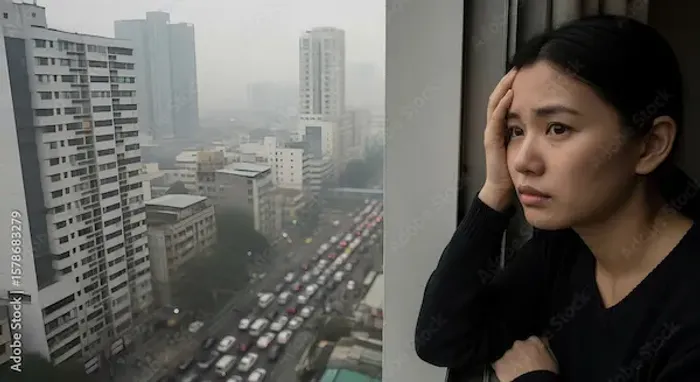
If you’ve ever felt your pulse rise while idling on a packed freeway, you’re not imagining it. Traffic jam health effects are real. Daily delays can trigger commuter stress and expose you to pollution risks that affect your lungs, heart, and mental well-being. The good news: small changes to your routine and environment can lessen the impact, whether you drive, ride public transit, cycle, or walk.
Traffic Jam Health Effects: What Does Your Body Go Through?
A traffic jam is more than an inconvenience, it can stress your body and mind.
- Stress response: Uncertainty, time pressure, and a loss of control can activate the body’s “fight-or-flight” response. This can temporarily raise stress hormones, heart rate, and blood pressure. Over time, frequent stress can contribute to anxiety, sleep problems, and other health concerns.
- Air pollution exposure: Slow-moving or stop-and-go traffic concentrates vehicle emissions around you. Fine particles (PM2.5), nitrogen dioxide (NO2), and other pollutants can irritate airways and may worsen asthma symptoms and cardiovascular risks, according to major public health organizations.
- Noise and vibration: Loud, continuous road noise and honking can add to stress and fatigue.
- Heat and dehydration: Hot cars and sun exposure can lead to headaches and tiredness if you’re not hydrating.
- Prolonged sitting and posture strain: Long commutes can mean neck and back discomfort, tight hips, or wrist strain
from steering and braking.
Short-Term Effects You Might Notice
- Irritability, tension, or a “wired” feeling
- Headache or eye strain
- Coughing, throat or eye irritation on polluted days
- Stiffness in the neck, shoulders, or lower back
- Trouble concentrating after long or stressful drives
Potential Long-Term Concerns
- Worsening of existing asthma or other lung conditions
- Higher strain on the heart and blood vessels with repeated stress and pollutant exposure
- Ongoing anxiety or low mood linked to chronic commuter stress
- Weight gain or reduced fitness if long commutes displace time for physical activity and sleep
Consult a Top General Physician
Pollution Risks From Busy Roads: What We Know?
Traffic-related air pollution is a mix of gases and tiny particles. Health organizations such as the World Health
Organization (WHO) and the Centers for Disease Control and Prevention (CDC) report that:
- Fine particles (PM2.5) can reach deep into the lungs. Long-term exposure is linked to heart and lung problems.
- Nitrogen dioxide (NO2) and ozone can irritate airways and can trigger asthma symptoms in sensitive people.
- People who spend more time near busy roads may have higher exposure, especially during rush hour or in tunnels and
enclosed spaces.
Important Context:
- Outdoor air quality varies by location, season, and weather.
- Pollution levels often increase near major roads and during heavy congestion.
- Shorter, cleaner routes or off-peak travel can lower exposure.
Commuter Stress And Mental Health: Why Do Jams Feel So Hard?
Commuting combines unpredictability, time pressure, noise, and crowding, perfect conditions for stress. Over time,
frequent commuter stress can contribute to anxiety, irritability, sleep problems, and difficulty focusing. If you notice
persistent worry, tension, or low mood that interferes with daily life, consider seeking support from a health
professional. Early help can make a big difference.
Who Is Most Vulnerable To Traffic Jam Health Effects?
Anyone can be affected, but extra care is wise for:
- Children, older adults, and pregnant people
- People with asthma, COPD, heart disease, high blood pressure, or migraine
- People with anxiety disorders or high day-to-day stress
- Cyclists and pedestrians traveling directly next to heavy traffic (due to closer proximity to tailpipes)
How To Cut Pollution Risks And Commuter Stress Today?
Small, realistic changes can add up.
Plan Your Trip With Air And Time In Mind
- Check air quality forecasts before you go. On high-pollution days, consider leaving earlier or later to avoid peak
congestion if possible. - Choose cleaner routes. Side streets, greenways, or paths set back from highways can reduce exposure.
- Batch trips. Fewer start–stop cycles and less total time in traffic means less exposure and stress.
Improve In-Car Air
- Use recirculation strategically. Recirculating air can reduce entry of outside particles in heavy traffic or tunnels. Switch
back to fresh air periodically to prevent carbon dioxide buildup and drowsiness. - Keep windows up in heavy traffic; crack them open when you’re on cleaner roads.
- Maintain the cabin air filter. Replace it on schedule; some vehicles can use higher-efficiency filters that trap more fine
particles. Check your owner’s manual or ask a qualified mechanic. - Don’t tailgate. Leaving space helps you avoid directly breathing exhaust from the vehicle ahead and gives you time to
drive smoothly.
If You Walk, Bike, Or Use Transit
- Pick routes set back from major roads when practical. Even a short distance from traffic can lower exposure.
- Consider a well-fitting respirator (such as an N95 or equivalent) on high-pollution days, especially if you have lung or
heart conditions. These can reduce particle exposure but do not filter gases like NO2. - For cycling, avoid stopping directly behind tailpipes at intersections; position slightly to the side when safe.
- On transit, stand away from door openings facing busy roads when possible, and avoid idling buses when you can.
Dial Down Noise And Stress
- Keep cabin noise reasonable. Avoid blasting music; persistent loud sound can add to stress and fatigue.
- Try a calming audio. Podcasts, audiobooks, or relaxing music can make delays feel more manageable.
- Use simple breathing to reset: Inhale through the nose for 4 seconds, hold 4, exhale 6–8. Repeat a few cycles at red
lights or after you park safely. - Reframe delays: Treat the commute as “buffer time” for learning, language practice, or mindful breathing.
Protect Your Body During Long Sits
- Adjust your seat: Hips level with or slightly above knees, slight recline (about 100–110 degrees), and lower back
supported. - Hands and shoulders: Keep shoulders relaxed; elbows slightly bent; avoid gripping the wheel too tightly.
- Take movement breaks: On longer drives, pull over safely every hour or two to stretch your neck, back, hips, and
calves. - Hydrate and snack smart: Water and light, balanced snacks help you stay alert without a sugar crash.
Guard Your Evenings And Mornings
- Sleep: Aim for a consistent schedule. If commuting eats into sleep, look for small time wins (prepping lunch, packing
bags, checking traffic the night before). - -Movement: Build in activity most days. A brisk walk before or after work can undo some stiffness from the drive and
support mood and heart health. - Boundaries: If possible, start and end work without immediately checking emails during the commute, even as a
passenger, to reduce mental overload.
Choosing Routes And Routines With Fewer Pollution Risks
- Travel off-peak when you can to reduce time in stop-and-go traffic.
- Use park-and-ride or transit for the most congested segments of your route.
- Try hybrid commuting: Work from home 1–2 days a week if your role allows.
- Consider carpooling, biking on protected paths, or e-bikes for moderate distances, choosing routes away from major
roads.
Long-Term Habits And Community Solutions
- Vehicle maintenance matters: Well-maintained engines and tires can lower emissions and noise.
- Support cleaner air: Community choices, such as cleaner public transportation, green spaces that create buffers from
roads, and strong emission standards, help reduce overall exposure. - Workplace flexibility: Flexible hours or remote options can spread traffic demand and lower commuter stress.
- Urban design: Sidewalks, bike lanes set back from traffic, and trees along streets can make active commuting safer and
cleaner.
When To Seek Medical Advice?
Talk to a healthcare professional if you notice:
- New or worsening breathing trouble, wheezing, chest tightness, or frequent coughing
- Chest pain, unusual shortness of breath, or dizziness, especially during or after commuting
- Asthma flares that aren’t controlled with your usual plan
- Persistent anxiety, low mood, irritability, or sleep problems that affect daily life
- Seek emergency care right away for severe or sudden chest pain, trouble breathing, fainting, or symptoms of a possible heart attack or stroke.
Consult a Top General Physician
Consult a Top General Physician
Consult a Top General Physician


Dr. Syed Ismail Ali
General Practitioner
7 Years • MBBS
Hyderabad
Apollo 24|7 Clinic, Hyderabad

Dr. D Bhanu Prakash
General Practitioner
10 Years • MBBS, AFIH, Advanced certificate in critical care medicine, Fellowship in critical care medicine
Hyderabad
Apollo 24|7 Clinic, Hyderabad

Dr Syed Mateen Pasha
General Physician
2 Years • MBBS
Bengaluru
PRESTIGE SHANTHINIKETAN - SOCIETY CLINIC, Bengaluru

Dr. Vivek D
General Physician
4 Years • MBBS
Bengaluru
PRESTIGE SHANTHINIKETAN - SOCIETY CLINIC, Bengaluru

Dr. Anand Ravi
General Physician
2 Years • MBBS, FEM
Bengaluru
PRESTIGE SHANTHINIKETAN - SOCIETY CLINIC, Bengaluru
Consult a Top General Physician
Dr. Syed Ismail Ali
General Practitioner
7 Years • MBBS
Hyderabad
Apollo 24|7 Clinic, Hyderabad
Dr. D Bhanu Prakash
General Practitioner
10 Years • MBBS, AFIH, Advanced certificate in critical care medicine, Fellowship in critical care medicine
Hyderabad
Apollo 24|7 Clinic, Hyderabad
Dr Syed Mateen Pasha
General Physician
2 Years • MBBS
Bengaluru
PRESTIGE SHANTHINIKETAN - SOCIETY CLINIC, Bengaluru
Dr. Vivek D
General Physician
4 Years • MBBS
Bengaluru
PRESTIGE SHANTHINIKETAN - SOCIETY CLINIC, Bengaluru
Dr. Anand Ravi
General Physician
2 Years • MBBS, FEM
Bengaluru
PRESTIGE SHANTHINIKETAN - SOCIETY CLINIC, Bengaluru
More articles from General Medical Consultation



Frequently Asked Questions
1. Do masks help with pollution during commutes?
A well-fitting respirator (like an N95 or similar) can reduce inhalation of fine particles, which are a key component of traffic-related air pollution. Most masks do not filter gases such as nitrogen dioxide or carbon monoxide. If you drive, make sure any mask does not interfere with visibility or safe breathing.
2. Is it better to use recirculated air or fresh air in heavy traffic?
In heavy traffic, using recirculation can lower entry of outdoor particles. To prevent carbon dioxide buildup inside the car, which can cause drowsiness, switch back to fresh air periodically, especially once you’re out of the jam or on cleaner roads.
3. How long is “too long” for a commute?
There isn’t a single cutoff that applies to everyone. What matters is how you feel and function. If your commute regularly leaves you tense, short of breath, or exhausted, consider changes like an earlier departure, a different route, carpooling, partial remote work, or adding a short walk before and after your drive.
4. Is it safe to exercise outdoors near busy roads?
Physical activity has major health benefits, but near heavy traffic you may breathe more pollutants. If possible, choose parks, trails away from major roads, or times with better air quality. On high-pollution days, consider moving workouts indoors or to cleaner routes.
5. What are quick techniques to ease commuter stress?
- Slow breathing (4–4–6 or 4–7–8 patterns)
- Calming audio or guided mindfulness
- Progressive muscle relaxation (tense–release) after you park
- Planning buffer time to reduce the feeling of running late