


Reetha (Soapnut) Guide: Uses, Benefits & Dosage Tips
Learn Reetha benefits, Soapnut uses, and safe tips for using this natural hair cleanser. Evidence-based advice, simple prep ideas, and precautions.

Written by Dr. Siri Nallapu
Reviewed by Dr. Rohinipriyanka Pondugula MBBS
Last updated on 14th Jan, 2026
.webp?tr=q-80,f-webp,w-350,dpr-2,c-at_max 700w)
Introduction
If you’re searching for gentle, plant-based ways to care for your hair and home, Reetha also called Soapnut or Soapberry often appears at the top of the list. People love it for its natural cleansing ability and low-waste appeal. This guide explains what the research and reputable health guidance say about Reetha benefits, common Soapnut uses, and safe, practical tips for trying it as a natural hair cleanser.
Consult a Top Ayurveda Doctor for Personalised Advice
What is Reetha (Soapnut)?
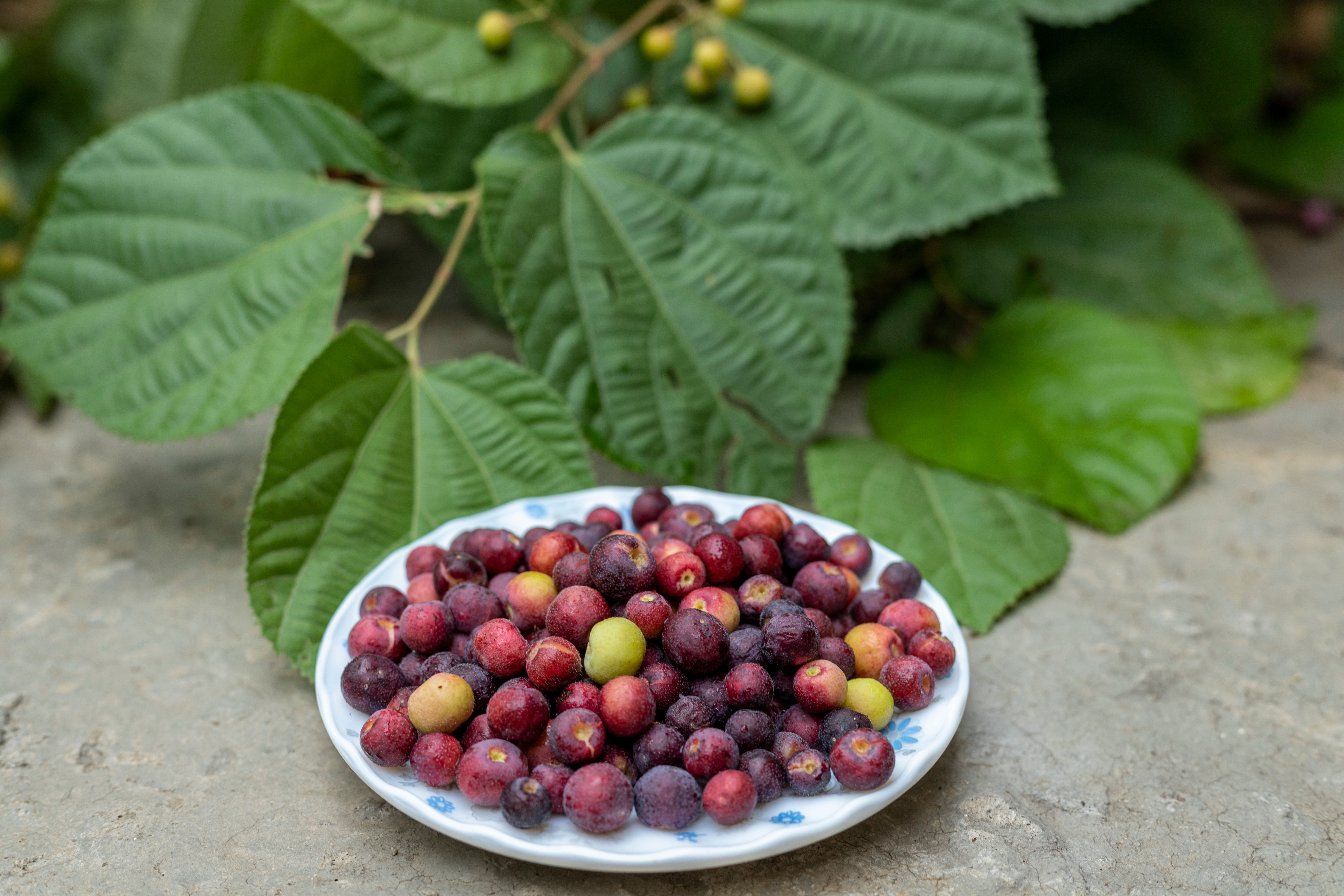
Reetha refers to the dried fruit shells of Sapindus trees (commonly Sapindus mukorossi or Sapindus trifoliatus). These shells contain saponins plant compounds that act like mild surfactants. When mixed with water and agitated, they create a light lather that helps lift dirt and oils from surfaces, fabrics, and hair. Because it’s biodegradable and fragrance-free in its plain form, many people use it as a botanical alternative to some conventional cleansers.
How Reetha Works: The Basics
The basics include:
1. Saponins in Reetha interact with water and oils to emulsify grime, allowing it to rinse away.
2. This makes Soapnut a gentle cleanser for hair and scalp when used correctly.
3. It’s traditionally used in parts of Asia for washing hair, skin, and clothing.
Reetha Benefits
While natural products can be appealing, it’s important to be clear about what they can and cannot do based on current evidence.
Potential Benefits
Gentle cleansing for hair and scalp: As a natural hair cleanser, Reetha can help remove excess oil and product buildup without synthetic sulfates.
1. Minimal additives: Plain Soapnut shells or simple Reetha powders typically have no added fragrance or colourants, which may be helpful for people who prefer simpler ingredient lists.
2. Eco-friendly: Soapnut shells are plant-based and biodegradable.
3. Versatility: Beyond hair, Soapnut is used by many households for laundry and general cleaning.
What Reetha Cannot Do?
Reetha may not do:
• Promote hair growth or stop hair loss: There’s no robust clinical evidence that Reetha increases hair growth. If hair shedding or thinning is a concern, talk with a healthcare professional for proven options.
• Treat medical scalp conditions: Dandruff, seborrheic dermatitis, psoriasis, and fungal infections often benefit from evidence-based treatments (for example, medicated shampoos). Reetha has not been clinically validated as a treatment for these conditions.
Popular Soapnut Uses
Uses of Soapnut include:
As a Natural Hair Cleanser
You can find Reetha in:
1. Pre-made shampoos or cleansers containing Soapnut extract.
2. Dried whole shells are sold in eco stores.
3. Reetha powders are intended for rinses or masks.
General Tips
The general tips include:
1. Start with a patch test: Apply a small amount of diluted Reetha preparation to the inner forearm. Wait 24 hours to check for redness, itching, or irritation.
2. Keep it out of your eyes: Saponins can sting and irritate eyes. Rinse immediately with plenty of clean water if contact occurs.
3. Follow product directions: Commercial products provide tested directions for dilution and use.
4. Frequency: Many people do well washing hair a few times per week, but optimal frequency varies by hair type, scalp oiliness, and lifestyle.
What To Expect?
Reetha may show below features:
1. A mild, low-foam cleanse (less foam than typical shampoos).
2. A “clean but not squeaky” feel if you’re accustomed to sulfate shampoos.
3. You may still need conditioner or a light oil if your hair tangles easily or feels dry.
For Laundry and Household
Place Soapnut shells in a small cloth bag and use in warm-water laundry cycles (follow the product’s instructions).
For surfaces, some people simmer shells in water to create a mild cleaning solution, then strain and cool. Avoid using it on delicate surfaces until you spot test.
Safety, Side Effects, and Precautions
Natural doesn’t automatically mean risk-free. Here’s what to know:
1. Skin irritation or allergy is possible: Any cleanser, natural or synthetic, can cause contact dermatitis in some people. Patch testing is wise, especially if you have sensitive skin, eczema, or allergies.
2. Eye exposure can be irritating: If Reetha gets into your eyes, rinse with clean water for at least 10–15 minutes. Seek medical care if pain, redness, or vision changes persist.
3. Ingestion is not recommended: Soapnut is a cleanser, not a food. Ingesting saponins can cause stomach upset and other adverse effects. Keep out of reach of children and pets.
4. Pregnancy and breastfeeding: There isn’t enough reliable safety data for internal use; avoid ingestion and consult your healthcare provider before using new herbal products.
5. Asthma or respiratory sensitivity: Inhaling fine powders can irritate airways. Use in well-ventilated areas and avoid breathing in dust.
When to See a Clinician?
See a clinician:
1. You have a known plant allergy or react to a patch test.
2. You have a scalp condition (e.g., persistent flaking, redness, pain, or sores).
3. You experience significant hair loss or sudden shedding.
4. You develop eye symptoms after accidental exposure.
Dosage Tips & How to Use Reetha Wisely
There is no standardised, evidence-based “dose” for Reetha. Potency varies by product and preparation. These practical, safety-forward guidelines can help:
1. Rely on product labels: For powders, liquid extracts, or pre-made shampoos, follow the manufacturer’s instructions.
2. Start low and go slow: Begin with a small amount on a single wash day and see how your hair and scalp respond before increasing frequency.
3. Adjust to your hair type: Oily scalps may tolerate more frequent cleansing; dry or curly hair may prefer less frequent use and added conditioner.
4. Combine thoughtfully: If you use medicated dandruff shampoos or other treatments, prioritise those as directed by your clinician; you can incorporate Reetha on alternate days as tolerated.
How does Reetha compare to Regular Shampoos?
Reetha & Comparison with other shampoos include:
1. Cleansing mechanism: Reetha’s saponins are mild surfactants, while many shampoos use synthetic surfactants like SLS or SLES. Either can cleanse; personal tolerance varies.
2. Conditioning: Conventional shampoos often include conditioning agents. Reetha alone may not provide slip; consider pairing it with a compatible conditioner.
3. Scalp conditions: For dandruff or seborrheic dermatitis, medicated shampoos with ingredients like ketoconazole, selenium sulfide, or zinc pyrithione have clinical support. Natural cleansers alone may not control symptoms reliably.
4. Sensory experience: Expect less foam and a more subtle scent profile with Reetha.
Who Prefers or Avoids Soapnut?
May prefer:
1. People are seeking fewer synthetic additives and a plant-based, biodegradable option.
2. Individuals sensitive to fragrances or certain preservatives (still patch test).
Should use caution or avoid
1. Those with a history of contact dermatitis to botanical products.
2. Anyone with active scalp disease without medical guidance.
3. People who need proven therapies for hair loss or dandruff use evidence-based treatments first.
Buying, Quality, and Storage Tips
Buying, quality & storage tips include:
1. Choose reputable brands: Look for clearly labelled products listing the species (e.g., Sapindus mukorossi) and any additional ingredients.
2. Minimal additives: If you want a simple formula, choose products without added fragrance or colourants.
3. Storage: Keep shells or powders dry and tightly sealed; moisture can lead to mould. Store homemade liquid preparations in the fridge and use promptly per product guidance.
Practical Routine Ideas
Practical Routine ideas:
1. Simple start: Use a pre-made Soapnut shampoo once or twice weekly and evaluate scalp comfort, hair feel, and manageability.
2. Mixed routine: Alternate Reetha-based cleansers with your usual shampoo, especially if you rely on medicated products for scalp care.
3. Care add-ons: If hair feels tangly, follow with a familiar conditioner. If hair feels coated, adjust contact time or dilution.
Key Takeaways
1. Reetha (Soapnut) can work as a gentle, plant-based cleanser for hair and home.
2. It’s not a proven treatment for hair loss or dandruff; use evidence-based care when needed.
3. Safety first: Patch test, avoid eye contact and ingestion, and follow product instructions.
4. Personalise your routine: Hair and scalp needs vary, adjust usage based on your
Response.
Consult a Top Ayurveda Doctor for Personalised Advice
Consult a Top Ayurveda Doctor for Personalised Advice

Dr. Rik Sadhukhan
Ayurveda Practitioner
8 Years • BAMS
Kolkata
Vedhive Ayurveda, Ballygunge, Kolkata

Dr. Anjan Das
Ayurveda Practitioner
8 Years • Ayurvedacharya ( B.A.M.S )
Dumdum
Vedhive Ayurveda Clinic, Dumdum

Dr. Shiv Prakash Singh
Ayurveda Practitioner
19 Years • BAMS
Kolkata
Vedhive Ayurveda College Street, Kolkata

(50+ Patients)
Consult a Top Ayurveda Doctor for Personalised Advice
Dr. Rik Sadhukhan
Ayurveda Practitioner
8 Years • BAMS
Kolkata
Vedhive Ayurveda, Ballygunge, Kolkata
Dr. Anjan Das
Ayurveda Practitioner
8 Years • Ayurvedacharya ( B.A.M.S )
Dumdum
Vedhive Ayurveda Clinic, Dumdum
Dr. Shiv Prakash Singh
Ayurveda Practitioner
19 Years • BAMS
Kolkata
Vedhive Ayurveda College Street, Kolkata
(50+ Patients)
More articles from General Medical Consultation


Frequently Asked Questions
1) Is Reetha good for hair growth?
There’s no strong clinical evidence that Reetha directly increases hair growth. Its main role is cleansing. If you’re noticing thinning or shedding, consult a healthcare professional to assess causes and discuss proven treatments.
2) Can Soapnut cure dandruff?
Dandruff and seborrheic dermatitis often respond best to medicated shampoos (for example, ketoconazole or zinc pyrithione) used as directed. You can still use Reetha as a gentle cleanser on non-medicated days if it suits your scalp, but it isn’t a substitute for clinically supported treatments.
3) How often can I use Reetha on my hair?
Start slowly and see how your scalp and hair feel. Many people do well washing a few times per week, but it depends on oil production, styling products, hair type, and activity level. Adjust based on your results and follow any product-specific guidance.
4) Is Reetha safe for colour-treated or chemically treated hair?
Reetha is a mild cleanser, but any cleanser can affect colour longevity over time. Test on a small section first and check your salon’s care recommendations for your specific dye or treatment.
5) What should I do if Reetha gets in my eyes or a child swallows it?
For eyes: Rinse immediately with clean water for at least 10–15 minutes. If irritation or vision changes persist, seek medical care. For ingestion: Do not induce vomiting. Contact your local Poison Control centre right away for guidance.