


Shilajit vs Ashwagandha: Comparison
Shilajit vs ashwagandha - compare benefits, risks, side effects, dosing tips, and who should avoid them. Evidence-based guidance from trusted sources.

Introduction
Many people turn to natural supplements to support energy, stress, sleep, or hormone balance. Two popular options are shilajit and ashwagandha. If you’re wondering which is right for you - or whether you should take either - this clear, evidence-based guide compares shilajit vs ashwagandha so you can make a safer, smarter choice. As always, supplements are not risk-free and don’t replace medical care; talk with a qualified clinician before starting anything new.
Shilajit vs Ashwagandha: What They Are
To understand how these supplements differ, here’s a quick look at what each one actually is:
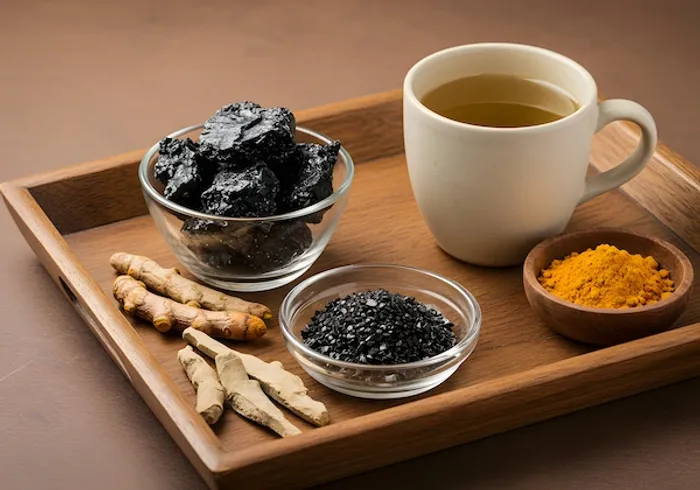
- Shilajit: A sticky, tar-like substance that forms from decomposed plant material in high mountain rocks (notably the Himalayas). It’s used in Ayurvedic medicine and contains fulvic acids, minerals, and other organic compounds. Products should be purified; raw shilajit can be contaminated with heavy metals or microbes.
- Ashwagandha (Withania somnifera): An herb long used in Ayurveda. Most supplements use the root extract. It’s often described as an “adaptogen,” a marketing term for herbs thought to help the body respond to stress.
Consult Top Specialists Here
Evidence-Backed Benefits: Shilajit vs Ashwagandha
Now let’s break down what current research says about the potential benefits:
What Research Suggests About Ashwagandha?
Here’s what studies have found about ashwagandha so far:
- Stress and anxiety: Several small, randomised studies suggest standardised ashwagandha root extract may reduce perceived stress and anxiety and lower cortisol in some people.
- Sleep: Some evidence shows modest improvements in sleep quality and sleep onset in people with stress-related sleep problems.
- Athletic performance: Early research hints at small improvements in strength or VO2 max with training; results are mixed.
- Blood sugar, lipids, and thyroid: Limited, small studies suggest possible modest effects on blood glucose and cholesterol, and ashwagandha may influence thyroid hormones. These findings are not strong enough to rely on for treating conditions.
What Research Suggests About Shilajit?
Here’s how shilajit performs in available research:
- Male reproductive health and testosterone: A few small clinical studies of purified shilajit suggest it may improve some sperm parameters and modestly increase testosterone in certain men (e.g., those with infertility). Evidence is preliminary.
- Energy and fatigue: Early, small studies and traditional use suggest possible support for energy or reduced fatigue, potentially via fulvic acid and mineral content. High-quality, long-term trials are lacking.
- Brain and altitude: Traditional use includes support at high altitude and cognitive function. Human data are limited and not definitive.
Safety, Side Effects, and Who Should Avoid Them
Before choosing a supplement, it’s important to understand safety considerations:
Ashwagandha Safety
Here’s what to keep in mind when using ashwagandha:
- Common side effects: Upset stomach, diarrhoea, drowsiness, headache.
- Liver: Rare cases of liver injury have been reported. Stop use and seek care if you develop jaundice, dark urine, severe fatigue, abdominal pain, or itching.
- Thyroid and autoimmune conditions: Ashwagandha can affect thyroid hormones and immune function. Avoid or use with medical supervision.
- Pregnancy and breastfeeding: Generally not recommended.
- Drug interactions: May interact with sedatives, thyroid medications, diabetes medications, blood pressure drugs, and immunosuppressants.
- Surgery: Stop at least 1–2 weeks before surgery.
Shilajit Safety
Here are key cautions with shilajit:
- Common side effects: Nausea, dizziness, headache, rash.
- Contamination risk: Unpurified shilajit may contain heavy metals or microbes. Only use purified, third-party-tested products.
- Iron and minerals: Consult your clinician if you have iron overload disorders or take iron supplements.
- Blood pressure and glucose: May influence both in some individuals.
- Pregnancy and breastfeeding: Not recommended.
- Liver: Rare reports of liver issues; discontinue if symptoms appear.
Quality, Purity, and Dose Considerations
- Choosing high-quality products is essential for reducing risks:
- Regulation: Supplement regulation varies, and products differ widely in purity.
- Look for:
- Third-party testing (USP, NSF, or independent labs).
- Clear extract standardisation (for ashwagandha, root extract and withanolide %).
- COAs on company websites.
- Transparent ingredient lists.
- Dosing:
- Ashwagandha: 240–600 mg/day in studies. Start low.
- Shilajit: 250–500 mg/day purified product.
- Start one supplement at a time and reassess after 4–8 weeks.
Shilajit vs Ashwagandha: Which Is a Better Fit for Your Goals?
To help you choose based on your needs, here’s how each supplement aligns with common goals:
Stress, anxiety, sleep:
- Consider ashwagandha; best human data. Avoid if pregnant or if you have thyroid/autoimmune conditions.
Male fertility or low testosterone:
- Shilajit may help some men; evidence small but promising.
Athletic performance or energy:
- Evidence mixed for both.
General wellness:
- Lifestyle habits matter more than supplements.
Can You Take Shilajit and Ashwagandha Together?
If you are considering combining them, here’s what to know:
- Higher chance of side effects
- Possible additive effects on BP, blood sugar, thyroid, liver
- If clinician approves:
- Start one, stabilise, add second after 2–4 weeks
- Monitor symptoms
Practical Tips for Choosing and Using Supplements Safely
To make supplementation safer and more effective, keep these tips in mind:
- Consult a healthcare professional.
- Choose reputable, tested brands.
- Avoid products claiming “cures.”
- Track dose and side effects.
- Reassess after 8–12 weeks.
- Report serious side effects if they occur.
Quick Comparison at a Glance
Here’s a simple side-by-side overview:
Best-supported uses:
- Ashwagandha: Stress, mild anxiety, sleep
- Shilajit: Male fertility/testosterone (limited evidence)
Key cautions:
- Ashwagandha: Thyroid issues, sedatives, rare liver injury, avoid in pregnancy
- Shilajit: Contamination risk, mineral effects, avoid in pregnancy
- Quality matters most for both
Conclusion
Shilajit and ashwagandha each offer potential benefits, but neither is a miracle solution. Ashwagandha is better studied for stress and sleep, while shilajit shows early promise for male fertility and energy. Safety, purity, and individual health conditions matter far more than trend-driven choices. Always choose high-quality products, start slowly, and speak with a clinician before adding any supplement to your routine.
Consult Top Specialists Here
Consult Top Specialists Here

Mrs Sneha P V
Nutritionist
10 Years • Master of science in Food and Nutrition
Bengaluru
Apollo Clinic, Sarjapur Road, Bengaluru

Ms. Sreeparna Dey Dhara Deb
Dietician
10 Years • DNHE
Bansdroni
Siddhita Healthcare., Bansdroni

Ms. Soma Saha
clinical nutrition
17 Years • B.Sc. - Home Science (Food & Nutrition), M.Sc. - Home Science (Food & Nutrition)
Kolkata
Dr Utsa Basu Clinic, Kolkata

(50+ Patients)

Ms. Neelanjana J
Dietician
5 Years • Bsc., Msc. Nutrition and Dietetics specialised general weight management, PCOS/PCOD weight loss and Diabetes management. A clinical dietitian with 4+ year experience specializing in evidence-based, result-oriented nutrition therapy. I have extensive experience in weight loss, thyroid management, PCOD/PCOS, weight gain, and diabetes & prediabetes care. My approach is personalized, practical, and sustainable—focusing on helping individuals achieve long-term lifestyle change rather than quick fixes. I work closely with clients to understand their medical history, lifestyle, and goals, and then design customized diet plans that support hormonal balance, metabolic health, and overall wellbeing. My goal is to make nutrition simple, realistic, and effective—so you see measurable results and feel your healthiest self.Auther in Health benefits of jackfruit (Artocarpus heterophyllus Lam.) seeds: A review (2023) The Pharma Innovation Journal Co- Auther in Malnutrition in Women: A review (2023) The Pharma Innovation Journal. Highfield Level 3 in HACCP. Highfield Level 4 International Award in Food Safety Managment
Bengaluru
Apollo Clinic, JP nagar, Bengaluru

Mr. Anke Raveendra
Dietician
11 Years • MSC (Food Sciences Nutrition and Dietetics), Trained in Diabetes Education
Anantapur
Anke R Nutrition center Diet clinic and Nutrition center, Anantapur
Consult Top Specialists Here
Mrs Sneha P V
Nutritionist
10 Years • Master of science in Food and Nutrition
Bengaluru
Apollo Clinic, Sarjapur Road, Bengaluru
Ms. Sreeparna Dey Dhara Deb
Dietician
10 Years • DNHE
Bansdroni
Siddhita Healthcare., Bansdroni
Ms. Soma Saha
clinical nutrition
17 Years • B.Sc. - Home Science (Food & Nutrition), M.Sc. - Home Science (Food & Nutrition)
Kolkata
Dr Utsa Basu Clinic, Kolkata
(50+ Patients)
Ms. Neelanjana J
Dietician
5 Years • Bsc., Msc. Nutrition and Dietetics specialised general weight management, PCOS/PCOD weight loss and Diabetes management. A clinical dietitian with 4+ year experience specializing in evidence-based, result-oriented nutrition therapy. I have extensive experience in weight loss, thyroid management, PCOD/PCOS, weight gain, and diabetes & prediabetes care. My approach is personalized, practical, and sustainable—focusing on helping individuals achieve long-term lifestyle change rather than quick fixes. I work closely with clients to understand their medical history, lifestyle, and goals, and then design customized diet plans that support hormonal balance, metabolic health, and overall wellbeing. My goal is to make nutrition simple, realistic, and effective—so you see measurable results and feel your healthiest self.Auther in Health benefits of jackfruit (Artocarpus heterophyllus Lam.) seeds: A review (2023) The Pharma Innovation Journal Co- Auther in Malnutrition in Women: A review (2023) The Pharma Innovation Journal. Highfield Level 3 in HACCP. Highfield Level 4 International Award in Food Safety Managment
Bengaluru
Apollo Clinic, JP nagar, Bengaluru
Mr. Anke Raveendra
Dietician
11 Years • MSC (Food Sciences Nutrition and Dietetics), Trained in Diabetes Education
Anantapur
Anke R Nutrition center Diet clinic and Nutrition center, Anantapur
More articles from General Medical Consultation



Frequently Asked Questions
Which is better for anxiety - shilajit or ashwagandha?
Ashwagandha has more human research supporting modest reductions in stress and anxiety. Shilajit is not well studied for anxiety. Neither replaces therapy or prescribed treatments.
Can ashwagandha or shilajit raise testosterone?
Small studies suggest ashwagandha may modestly influence some hormone markers, and shilajit may support testosterone in some men, especially those with fertility concerns. Evidence is preliminary; test results and clinical guidance are important.
Are there liver risks with these supplements?
Rare cases of liver injury have been reported with ashwagandha and, less commonly, with various herbal supplements including shilajit. Use reputable products, avoid alcohol excess, and stop use if you develop symptoms like jaundice or dark urine.
How long does it take to notice effects?
If benefits occur, some people notice changes within 2–8 weeks. If there’s no meaningful improvement after 8–12 weeks - or if you develop side effects - consider stopping and reassessing with your clinician.
Can I take these with my medications?
Both can interact with medicines (for example, sedatives, thyroid, diabetes, blood pressure, or immunosuppressants). Always check with your healthcare professional before adding a supplement.