


Snake Bite Protocol: First Aid & Safety Guidelines
Learn the snake bite protocol: first aid steps, what not to do, and emergency treatment. Simple, trusted tips to stay safe and act fast.

Written by Dr. Vasanthasree Nair
Reviewed by Dr. Dhankecha Mayank Dineshbhai MBBS
Last updated on 14th Jan, 2026
Introduction
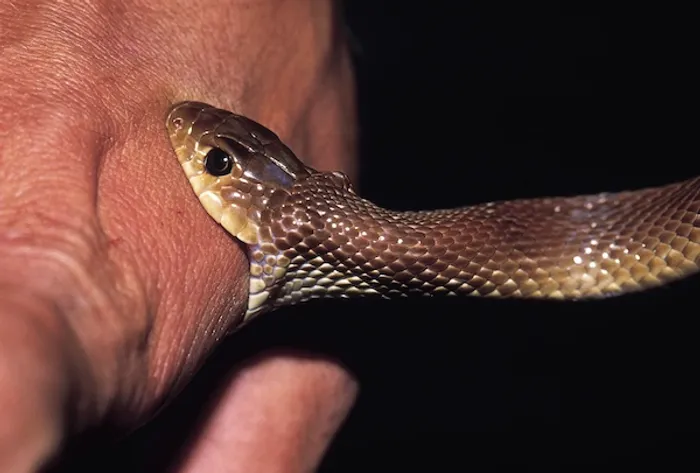
Snake bites are medical emergencies. Worldwide, millions of people are bitten each year, and timely, correct first aid can save lives and reduce complications. Knowing a simple, effective snake bite protocol helps you stay calm, avoid harmful myths, and get the right care fast. In this guide, you’ll learn the essential first aid steps, what to avoid, and what emergency treatment typically involves - so you can act confidently if a bite happens.
Consult Top Specialists Here
Snake Bite Protocol at a Glance
Here’s a quick overview of the essential points to remember at a glance:
- Get to a safe distance from the snake; do not try to handle or kill it.
- Keep the person calm and as still as possible. Movement can speed venom spread.
- Immobilise the affected limb with a splint or sling, if available.
- Remove rings, watches, or tight clothing before swelling begins.
- Position the bite at or slightly below heart level.
- Cover the bite with a clean, dry dressing.
- Monitor breathing and responsiveness until help arrives.
First Aid Steps After a Snake Bite
These first aid steps are simple, safe, and backed by reputable health organisations.
1) Move to Safety
- Back away from the snake. Many bites happen when people try to capture or kill a snake.
- Do not handle the snake - even if it appears dead.
2) Call for Help Immediately
- Dial your local emergency number. Early medical evaluation is essential because some venom effects are delayed.
3) Keep Calm, Still, and Warm
- Anxiety and movement increase heart rate and circulation, which can spread venom faster.
- Have the person lie down, if possible. Reassure them while waiting for help.
4) Immobilise the limb
- Use a splint or sling to limit movement of the bitten arm or leg. Immobilise joints above and below the bite.
- Keep the limb at or slightly below heart level.
5) Remove Constricting Items
- Take off rings, bracelets, watches, or tight clothing near the bite as swelling can develop quickly.
6) Protect the Wound
- Gently cover the area with a clean, dry dressing. Do not apply ointments or substances.
- Avoid washing the wound vigorously. In some regions (e.g., parts of Australia), clinicians may test
- venom at the bite site; local guidance may advise not to wash the area.
7) Watch for Serious Symptoms
- Call back or alert responders immediately if there are signs of trouble: difficulty breathing, drooling, trouble swallowing, severe swelling, fainting, confusion, severe bleeding, or worsening pain.
8) If the Person Becomes Unresponsive
- Start CPR if you are trained, and continue until emergency help arrives.
What Not to Do?
Here’s what you must strictly avoid after a snake bite:
- Do not cut the wound or attempt to suck out venom.
- Do not apply a tourniquet or tightly tie off the limb.
- Do not apply ice or immerse the bite in water.
- Do not use electric shock.
- Do not drink alcohol or caffeine.
- Do not try to catch or kill the snake. If it can be done safely, a quick photo from a distance may help clinicians - but never delay first aid or risk another bite.
Regional Note: Pressure Immobilisation Bandage
Here’s what to keep in mind about pressure immobilisation:
- Pressure immobilisation technique (firm elastic bandaging plus splinting) is recommended in some regions for specific types of snakes (especially neurotoxic elapids common in Australia). It is not recommended for most viper bites (common in the Americas, Africa, and much of Asia) because it may worsen local tissue injury.
- Follow your local public health or resuscitation council guidance. If you live in or travel to areas with elapids (e.g., Australia), learn the correct pressure immobilisation method from trusted local sources. Otherwise, standard immobilisation without pressure is safest.
Emergency Treatment: What to Expect at the Hospital
Getting professional care quickly is critical. Here’s what typically happens in the emergency department:
Initial Assessment
Here’s what clinicians do for the initial assessment:
- Clinicians will check vital signs, pain, swelling, and neurological status.
- They’ll ask when and where you were bitten, the snake’s appearance (if known), and your symptoms.
- Blood tests and monitoring are common to watch for bleeding problems, muscle injury, or organ effects.
Antivenom
Let’s see what antivenom is:
- Antivenom is the specific treatment for significant venom effects (systemic illness, progressive swelling, abnormal labs, or serious symptoms).
- It is given by IV and can rapidly reverse many dangerous effects. Not every bite requires antivenom; many bites are “dry” (no venom injected) or mild.
- Medical teams will monitor for allergic reactions to antivenom and treat them if they occur.
Other Supportive Care
Let’s have a look at the supportive care:
- Pain control and wound care.
- Tetanus update if needed.
- Fluids, breathing support, or blood products if complications arise.
- Observation, often for several hours or longer, because some symptoms develop later.
Recovery and Follow-up
Here’s what you need to know about recovery:
- Most people recover well with prompt care. Some may have lingering swelling, bruising, or tissue damage that needs wound care or physical therapy.
- Your care team will provide return precautions and a follow-up plan.
Signs and Symptoms to Watch For
Here’s what to look out for if a snake bite occurs:
- Local: puncture marks, pain, swelling, bruising, blistering.
- Bleeding problems: bleeding from gums or nose, unusual bruising, blood in urine or stool.
- Neurologic: drooping eyelids, weakness, slurred speech, trouble swallowing, tingling, paralysis.
- General: nausea, vomiting, sweating, dizziness, fainting.
- Severe reactions: difficulty breathing, shock, collapse.
Safety Guidelines to Prevent Snake Bites
Prevention is the best snake bite protocol. Use these practical tips:
Outdoors and Hiking
Here’s what to do while hiking:
- Stay on clear trails; avoid tall grass, deep leaf litter, or stepping over logs you cannot see past.
- Wear long pants and boots; use a flashlight at night.
- Never place hands or feet where you cannot see (holes, rock crevices, brush piles).
- Do not pick up or provoke snakes. Give any snake plenty of space.
- If you hear a warning (like a rattle), freeze, locate the snake visually, and slowly back away.
Around Home and Yard
Here’s what to do if you get bitten by a snake while in the yard:
- Clear yard debris, woodpiles, and tall grass that attract rodents and snakes.
- Store firewood away from the house and off the ground.
- Seal gaps under doors; use screens and door sweeps.Control rodents (secure trash and pet food).
Children, Older Adults, and Pets
Here’s what to do if you get bitten by a snake:
- Teach children to never touch or chase snakes.
- Keep dogs on a leash in snake-prone areas; ask your vet about regional snake safety and training.
- Older adults and people with chronic conditions should be especially cautious; they may have higher risk of complications.
Myths vs. Facts
Here’s a quick breakdown of myths and the facts that debunk them:
- Myth: “Cut the wound and suck out the venom.” Fact: This causes harm and doesn’t remove meaningful venom.
- Myth: “Tie a tourniquet.” Fact: Tourniquets can cause severe tissue damage and loss of limb.
- Myth: “Apply ice or electric shock.” Fact: Both can worsen injury and do not help.
- Myth: “If it doesn’t hurt, it’s not dangerous.” Fact: Some venom effects are delayed or not very painful at first - always seek care.
- Myth: “The snake must be captured for identification.” Fact: Never risk another bite. A description or safe photo is enough, and many hospitals treat based on symptoms and local species.
Conclusion
Snake bites are high-risk emergencies, but the right actions taken early can prevent complications and save lives. Knowing how to respond - staying calm, immobilising the limb, avoiding harmful myths, and seeking immediate medical care - makes all the difference. Whether at home, outdoors, or travelling, these guidelines help you act quickly and confidently. Prevention remains the strongest protection, and being informed ensures you are prepared if a bite ever occurs.
Consult Top Specialists Here
Consult Top Specialists Here

Dr. M. Krishna Bharath Reddy
General Physician/ Internal Medicine Specialist
10 Years • MD General Medicine, MRCP (London) and DM( Critical Care)
Chennai
Apollo One Chennai, Chennai

Dr. Ashok M L
General Physician/ Internal Medicine Specialist
24 Years • MD Med.
Bengaluru
Apollo Hospitals Jayanagar, Bengaluru

(75+ Patients)


Dr. J T Hema Pratima
General Practitioner
9 Years • MBBS, Fellowship in Diabetes Mellitus
Chennai
Apollo 24|7 Clinic - Tamilnadu, Chennai
(425+ Patients)

Dr. Shesham Srinidhi
General Practitioner
5 Years • MD(physician)
Hyderabad
Apollo 24|7 Clinic, Hyderabad
(175+ Patients)

Dr Summaiya Banu
General Practitioner
8 Years • MBBS
Hyderabad
Apollo 24|7 Clinic, Hyderabad
(350+ Patients)
Consult Top Specialists Here
Dr. M. Krishna Bharath Reddy
General Physician/ Internal Medicine Specialist
10 Years • MD General Medicine, MRCP (London) and DM( Critical Care)
Chennai
Apollo One Chennai, Chennai
Dr. Ashok M L
General Physician/ Internal Medicine Specialist
24 Years • MD Med.
Bengaluru
Apollo Hospitals Jayanagar, Bengaluru
(75+ Patients)
Dr. J T Hema Pratima
General Practitioner
9 Years • MBBS, Fellowship in Diabetes Mellitus
Chennai
Apollo 24|7 Clinic - Tamilnadu, Chennai
(425+ Patients)
Dr. Shesham Srinidhi
General Practitioner
5 Years • MD(physician)
Hyderabad
Apollo 24|7 Clinic, Hyderabad
(175+ Patients)
Dr Summaiya Banu
General Practitioner
8 Years • MBBS
Hyderabad
Apollo 24|7 Clinic, Hyderabad
(350+ Patients)
More articles from General Medical Consultation

Frequently Asked Questions
What’s the most important part of the snake bite protocol?
Call emergency services immediately, keep the person calm and still, immobilise the limb, and avoid harmful methods like cutting, sucking, ice, or tourniquets.
Should I try to identify the snake?
Only if it can be done safely and without delay. A brief description or photo from a distance can help. Never attempt to capture or kill the snake.
How fast do I need antivenom?
Seek medical care right away. Clinicians decide on antivenom based on symptoms and tests. Earlier treatment for significant envenomation improves outcomes.
Is there any home remedy I can use?
No. Home remedies (herbal poultices, suction, incisions, ice, alcohol) are ineffective or harmful. The correct first aid is immobilisation and rapid medical evaluation.
What if I’m far from medical help?
Limit movement as much as possible, immobilise the limb, and send for help. In regions where it’s recommended (e.g., for certain elapid bites in Australia), trained use of a pressure immobilisation bandage may be advised - follow local guidelines. Do not walk long distances unless absolutely necessary.