


Supta Baddha Konasana Guide
Supta baddha konasana guide: safe steps, benefits, props, and modifications. Ease stress and open hips with this relaxing yoga pose.

Written by Dr. Dhankecha Mayank Dineshbhai
Reviewed by Dr. Vasanthasree Nair MBBS
Last updated on 13th Jan, 2026
Introduction
If your hips feel tight from sitting, or your mind feels overloaded from a busy day, a gentle, supported yoga pose can help you unwind. Supta baddha konasana, also called Reclined Bound Angle Pose or Reclining Goddess Pose, is a simple, restorative posture that encourages relaxation while gently opening the hips and inner thighs. You don’t need to be flexible, strong, or experienced to try it. With a few pillows or yoga props, you can make the position comfortable and soothing for your body. This guide explains what supta baddha konasana is, how to practice it safely, who should be cautious, and how it may fit into a balanced wellness routine.
What Is Supta Baddha Konasana?
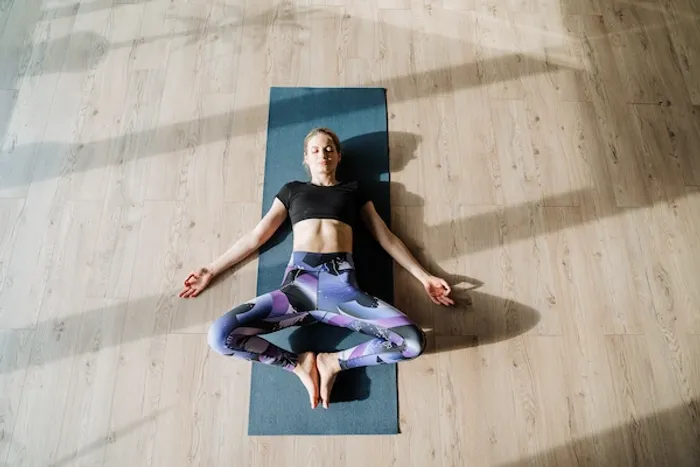
Supta baddha konasana is a reclining yoga pose where you lie on your back with the soles of your feet together and your knees gently falling out to the sides. The legs form a diamond shape, lightly stretching the inner thighs (adductors) and groin, while the back and shoulders rest on the floor or on supportive props. Many people use this posture to wind down at the end of a yoga session or as part of a restorative or stress-relief practice. Because you’re supported on the ground, it can feel calming and accessible for beginners when properly modified.
Health Benefits And What The Research Says?
Research on specific yoga poses like supta baddha konasana is limited, but broader evidence supports several general benefits of gentle stretching, mindful breathing, and restorative yoga practices:
Stress management: Slow, deep breathing and relaxation techniques can activate the body’s relaxation response, helping reduce feelings of stress and calm the nervous system. Trusted medical sources, including Harvard Health Publishing and the Cleveland Clinic, explain how diaphragmatic breathing aids stress reduction and promotes relaxation.
Flexibility and mobility: Gentle, regular stretching supports joint range of motion and may ease feelings of stiffness in areas like the hips and inner thighs. Repeating a comfortable, supported stretch over time (without forcing) is a safe way to work on mobility.
Overall well-being: Organizations like the CDC and WHO emphasize that physical activity tailored to your abilities supports overall health, mood, and sleep. Gentle yoga can be one part of an active lifestyle, alongside walking, strength work, and balance exercises.
Consult a Top General Physician
What You Might Feel During Supta Baddha Konasana?
- A mild stretch in the inner thighs and groin
- Ease in the lower back when properly supported
- Calmer breathing and a quieter mind as you settle in
Important note: While many people find this pose relaxing and helpful for managing day-to-day stress, yoga is not a medical treatment for specific conditions. If you have pain, injuries, or a health condition, consult a healthcare professional and a qualified yoga instructor for personalized guidance.
Step-By-Step: How To Do Supta Baddha Konasana Safely?
Props And Setup
Using props can make the posture more comfortable and safer:
- 2 firm pillows or yoga blocks
- 1–2 folded blankets or a bolster
- An optional strap or scarf
Getting Into The Pose
1) Prepare Your Space
- Place a folded blanket or soft mat under your spine for cushioning.
- If available, put a bolster or two stacked pillows lengthwise behind you so it supports your spine when you recline (this is especially helpful if your lower back feels tight).
2) Sit With Knees Bent
- Bring the soles of your feet together and let your knees open outward.
- Slide your heels closer or farther from your pelvis to find a mild, comfortable stretch.
3) Support Your Thighs
- Place a pillow, yoga block, or rolled blanket under each outer thigh or knee so the legs feel fully supported. There should be no strain in the hips or groin.
4) Lie Back
- Gently recline onto your support, letting your upper back, shoulders, and head rest comfortably.
If your chin lifts skyward, place a small folded towel under the head to keep the neck neutral.
5) Support Your Lower Back If Needed
- If you feel pressure in the lower back, tuck a small rolled towel under your sacrum (the flat bone at the base of the spine) or adjust the bolster height.
6) Arm Position
- Rest your arms by your sides with palms up, or place your hands on your belly and chest to encourage slow, steady breathing.
Breath And Relaxation
- Breathe naturally for a minute, then shift to slow, diaphragmatic breathing: inhale gently through your nose, let your belly and ribs expand; exhale smoothly.
- Aim for even, comfortable breaths without forcing. If counting helps, try inhaling for a count of 4 and exhaling for a count of 4–6.
How Long To Hold And How Often?
- Beginners: Hold for 1–3 minutes.
- Restorative practice: With good support under the thighs and spine, you may stay 5–10 minutes.
- Frequency: 3–5 times per week, or as part of your cool-down on movement days.
To exit:
- Support your knees with your hands, bring them together slowly.
- Roll gently to one side, pause, then press up to sit.
Modifications And Variations For Comfort
For Tight Hips Or Knees
- Raise the thighs: The higher the props under your outer thighs, the less stretch you’ll feel. Start with more support and lower it over time if comfortable.
- Move your feet farther away: Increasing the distance from your pelvis reduces intensity in the inner thighs.
- Use a strap: Loop a yoga strap or scarf around your lower back, over the inner thighs, and around the outer edges of your feet to help hold the legs without muscular effort.
Restorative Version (Highly Supported)
- Place a bolster or firm pillows lengthwise under your spine and head.
- Add a light blanket across the hips for grounding.
- Support each knee with a tall stack of pillows so the legs are fully cradled.
Gentle Active Variation
- Instead of fully relaxing the legs, keep a tiny bit of engagement by gently drawing your heels together and pressing your feet lightly, which can make the pose feel more stable.
Pregnancy Considerations
- During pregnancy, many people find this pose comfortable with extra props. However, after the first trimester, lying flat on your back for extended periods may be discouraged for some individuals. Use a reclined, inclined bolster setup and check with your prenatal care provider for personalized guidance.
Common Mistakes And How To Fix Them?
- Knees drop without support: If your inner thighs feel strained or your lower back lifts uncomfortably, place props under the thighs or move your feet further away.
- Overstretching: A deep tugging sensation in the groin is a sign to reduce intensity. Comfortably supported sensation is the goal, never pain or numbness.
- Chin lifting or neck compression: Place a folded towel under the head to keep the neck neutral and the throat soft.
- Holding the breath: Keep breathing slow and smooth; avoid turning this into a “goal” pose. Relaxation is the priority.
Safety, Contraindications, And When To Avoid?
Supta baddha konasana is generally gentle, but take extra care or consult a healthcare professional if you:
- Have a recent hip, knee, groin, or low back injury or surgery
- Experience numbness, tingling, or sharp pain in the legs or pelvis during the pose
- Are pregnant and unsure about reclined postures, use an inclined setup and ask your provider for advice
- Have significantly low blood pressure or dizziness when lying down, use more support, and rise slowly
General Safety Tips
- Pain is a no: You should feel at most a mild, comfortable stretch.
- Support is your friend: More props usually mean more comfort and safety.
- Move slowly: Enter and exit the pose without rushing to protect your hips, knees, and back.
- Seek guidance: If you’re new to yoga, working with a qualified instructor can help you tailor the pose to your body.
How Does Supta Baddha Konasana Fit Into Your Routine?
Think of this posture as a calming bookend to movement or a mini reset any time you need it:
- After activity: Use it during cool-down to shift into a relaxed state.
- Before bed: A supported version with slower breathing can help you unwind.
- Stress breaks: 3–5 minutes mid-day can encourage mental clarity and a sense of calm.
Pair it with other balanced practices recommended by major health organizations, such as walking, strength and balance exercises, and adequate sleep, for overall well-being. Supta baddha konasana won’t replace medical care, but it can be a gentle tool for relaxation and mobility as part of a healthy lifestyle.
Consult a Top General Physician
Consult a Top General Physician

Dr. Samir Dasgupta
Internal Medicine Specialist Diabetologist
40 Years • M.B.B.S., M.D. (Internal Medicine)
Kolkata
Apollo Hospitals, Narendrapur, Kolkata, Kolkata

Dr. Vivek D
General Physician
4 Years • MBBS
Bengaluru
PRESTIGE SHANTHINIKETAN - SOCIETY CLINIC, Bengaluru

Dr. Harshendra Jaiswal
General Physician/ Internal Medicine Specialist
12 Years • MBBS , MD (General medicine)
Kolkata
108 DHANA DHANVANTARI Clinic, Kolkata

(25+ Patients)

Dr Syed Mateen Pasha
General Physician
2 Years • MBBS
Bengaluru
PRESTIGE SHANTHINIKETAN - SOCIETY CLINIC, Bengaluru

Dr. Anand Ravi
General Physician
2 Years • MBBS, FEM
Bengaluru
PRESTIGE SHANTHINIKETAN - SOCIETY CLINIC, Bengaluru
Consult a Top General Physician
Dr. Samir Dasgupta
Internal Medicine Specialist Diabetologist
40 Years • M.B.B.S., M.D. (Internal Medicine)
Kolkata
Apollo Hospitals, Narendrapur, Kolkata, Kolkata
Dr. Vivek D
General Physician
4 Years • MBBS
Bengaluru
PRESTIGE SHANTHINIKETAN - SOCIETY CLINIC, Bengaluru
Dr. Harshendra Jaiswal
General Physician/ Internal Medicine Specialist
12 Years • MBBS , MD (General medicine)
Kolkata
108 DHANA DHANVANTARI Clinic, Kolkata
(25+ Patients)
Dr Syed Mateen Pasha
General Physician
2 Years • MBBS
Bengaluru
PRESTIGE SHANTHINIKETAN - SOCIETY CLINIC, Bengaluru
Dr. Anand Ravi
General Physician
2 Years • MBBS, FEM
Bengaluru
PRESTIGE SHANTHINIKETAN - SOCIETY CLINIC, Bengaluru
More articles from General Medical Consultation



Frequently Asked Questions
Is supta baddha konasana good for beginners?
Yes. With props under the thighs and a comfortable head/upper back support, beginners can relax safely in this pose. Start with short holds and adjust support until you feel at ease.
How should I breathe in the pose?
Use slow, diaphragmatic breathing. Inhale gently through your nose, feel your belly and ribs expand; exhale slowly. Keep the breath comfortable; you shouldn’t feel short of breath or strained.
What if my knees don’t drop far?
That’s normal. The pose isn’t about how low your knees go; it’s about comfort. Add higher props under your outer thighs or move your feet farther away to reduce the stretch.
Can I do this if I have low back discomfort?
Many people feel better with extra support: place a bolster along the spine, add a small towel under the sacrum, and always support the outer thighs. If pain persists, skip the pose and consult a clinician.
How often can I practice?
You can practice most days, especially as a brief relaxation break or at the end of a workout. Keep sessions short at first (1–3 minutes) and increase time only if it remains comfortable.