


The Ultimate Guide to a Healthy Vegan Diet: Benefits, Tips & Recipes
Know about the vegan diet, benefits of plant plant-based diet, clinical nutrients of a vegan diet and how to start a vegan diet.

Written by Dr. Dhankecha Mayank Dineshbhai
Reviewed by Dr. Md Yusuf Shareef MBBS, Advanced Certificate Course in Dermatology
Last updated on 13th Jan, 2026
Introduction
Embarking on a vegan diet is more than a change in what’s on your plate; it's a lifestyle shift embraced for health, environmental, and ethical reasons. But with so much information available, starting can feel overwhelming. Is it truly healthy? How do you get enough protein? Will you miss out on essential nutrients? This comprehensive guide cuts through the noise, offering a science-backed, practical roadmap for anyone curious about plant-based living. We’ll explore the profound benefits, tackle the potential pitfalls with actionable solutions, and provide you with the tools and knowledge to thrive on a vegan diet. Whether you're looking to improve your health, reduce your environmental footprint, or simply eat more plants, this guide will show you how to do it right, ensuring your journey is both nutritious and delicious.
What Exactly is a Vegan Diet?
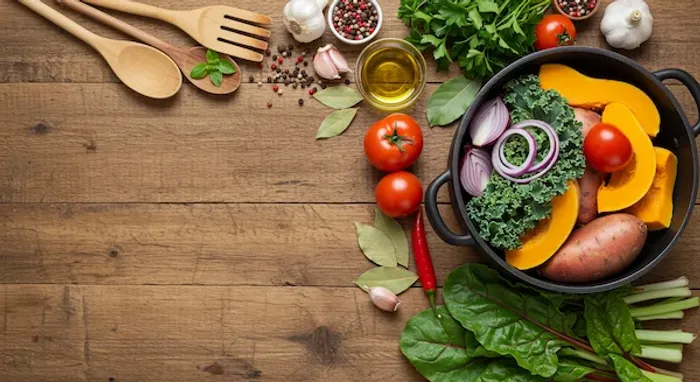
A vegan diet excludes all animal products and by-products. This means no meat, poultry, fish, seafood, dairy, eggs, or honey. Instead, it focuses on whole plant foods like fruits, vegetables, grains, legumes, nuts, and seeds. For many, veganism extends beyond diet to avoid animal-derived materials like leather, wool, and silk, as well as products tested on animals.
Consult a Top Nutritionist for Personalised Advice
Vegan vs. Vegetarian: Understanding the Key Differences
While both diets emphasise plant-based foods, the key difference is strictness. Lacto-ovo vegetarians avoid meat, fish, and poultry but consume dairy and eggs. Pescatarians eat fish but avoid other meats. A vegan diet, however, eliminates all animal products, making it the most restrictive form of vegetarianism.
Beyond Food: The Ethical and Environmental Philosophy
For many adherents, veganism is rooted in a philosophy that seeks to exclude, as far as possible, all forms of exploitation of and cruelty to animals. This ethical stance is often coupled with environmental concerns, as animal agriculture is a significant contributor to greenhouse gas emissions, deforestation, and water usage.
Top Science-Backed Benefits of a Plant-Based Diet
Adopting a well-planned vegan diet is associated with a remarkable array of health benefits, supported by a growing body of research.
Promotes Heart Health and Healthy Weight Management
Plant-based diets are naturally lower in saturated fat and cholesterol and richer in fibre and antioxidants. Studies, including those published in the Journal of the American Heart Association, have linked veganism to lower blood pressure, reduced cholesterol levels, and a decreased risk of heart disease. The high fibre content also promotes satiety, helping you feel full longer, which can naturally aid in weight management and make a vegan diet for weight loss effective.
May Lower Risk of Certain Cancers and Type 2 Diabetes
The World Health Organisation has classified processed meat as a Group 1 carcinogen and red meat as a Group 2A carcinogen. By eliminating these, a vegan diet reduces exposure. Furthermore, the high intake of fibre, vitamins, and phytochemicals from fruits and vegetables offers a protective effect. Research also shows that vegans have a significantly lower risk of developing type 2 diabetes due to improved insulin sensitivity and lower body weight.
Enhanced Gut Health and Improved Digestion
The immense amount of dietary fibre in a plant-based diet acts as a prebiotic, feeding the beneficial bacteria in your gut. A healthy gut microbiome is linked to improved digestion, a stronger immune system, and even better mental health.
Critical Nutrients to Watch on a Vegan Diet
While a vegan diet can be incredibly healthy, it requires mindfulness to avoid deficiencies. Here’s what to focus on.
Vitamin B12: The Non-Negotiable Supplement
Vitamin B12 is crucial for nerve function and red blood cell formation. It is not naturally present in plant foods in reliable amounts. All vegans must supplement with B12 or consume fortified foods (like nutritional yeast, plant milks, or cereals). This is not a debatable point but a medical consensus to prevent deficiency. If you experience unusual fatigue or tingling sensations, consult a doctor online with Apollo24|7 for advice on testing and supplementation.
Iron: Prioritising Heme vs. Non-Heme Sources
Plant foods contain non-heme iron, which is not absorbed as efficiently as the heme iron in animal products. However, you can boost absorption by consuming iron-rich plants (lentils, spinach, tofu, chickpeas) with a source of Vitamin C (bell peppers, citrus fruits, broccoli). Avoid drinking tea or coffee with meals, as tannins can inhibit iron absorption.
Omega-3 Fatty Acids: Beyond Fish Oil
Omega-3s (EPA and DHA) are vital for brain and heart health. While the body can convert ALA (found in flaxseeds, chia seeds, and walnuts) into EPA and DHA, the process is inefficient. Consider an algae-based EPA/DHA supplement to ensure adequate levels, a direct and sustainable source of these important fats.
Calcium, Vitamin D, and Zinc: Building Strong Bones
Dairy is a common source of calcium, but vegans can get it from fortified plant milks, tofu set with calcium sulfate, kale, and broccoli. Vitamin D, essential for calcium absorption, is best obtained from sunlight and fortified foods or a supplement, especially in winter. Zinc, important for immunity, is found in legumes, nuts, seeds, and whole grains.
How to Start a Vegan Diet: A Practical Beginner's Guide
Transitioning doesn't have to be an all-or-nothing plunge. Start with these practical steps.
The Pantry Overhaul: Essential Vegan Staples
Stock your kitchen with these basics:
- Proteins: Lentils, chickpeas, black beans, tofu, tempeh, edamame.
- Grains: Quinoa, brown rice, oats, whole-wheat pasta.
- Nuts & Seeds: Almonds, walnuts, chia seeds, flaxseeds, hemp seeds.
- Healthy Fats: Olive oil, avocado.
- Flavour Boosters: Nutritional yeast, soy sauce, tahini, spices, vegetable broth.
Simple and Delicious Vegan Meal Ideas for Beginners
- Breakfast: Overnight oats with berries and almond butter; tofu scramble with turmeric and black salt.
- Lunch: Large salad with chickpeas and quinoa; hearty lentil soup with whole-grain bread.
- Dinner: Vegetable and tofu stir-fry with brown rice; black bean tacos with avocado and salsa.
- Snack: Apple with peanut butter; hummus with carrot sticks.
Debunking Common Vegan Diet Myths
"But Where Do You Get Your Protein?"
This is the most common myth. Plenty of vegan protein sources are complete or can be combined to form complete proteins. Lentils, chickpeas, beans, tofu, tempeh, seitan, quinoa, and even spinach contain significant protein. Meeting protein needs on a varied vegan diet is easily achievable.
"Eating Vegan is Expensive"
While mock meats and speciality cheeses can be pricey, the core of a healthy vegan diet—beans, lentils, rice, pasta, seasonal vegetables, and fruits—is among the most affordable foods available. Buying in bulk and cooking at home keeps costs low.
Sample 1-Day Vegan Meal Plan
- Breakfast: Smoothie with spinach, banana, vegan protein powder, and almond milk.
- Lunch: Buddha bowl with quinoa, roasted sweet potato, black beans, corn, and avocado.
- Snack: A handful of almonds and an orange.
- Dinner: Whole-wheat pasta with marinara sauce, lentils, and a side of steamed broccoli.
- Dessert: Dairy-free dark chocolate.
Conclusion
A well-planned vegan diet can be a powerful tool for enhancing your health, aligning with your ethical values, and reducing your environmental impact. The key is planning. By focusing on a variety of whole plant foods and being mindful of critical nutrients like Vitamin B12, Iron, and Omega-3s, you can thrive on this lifestyle. Start slowly, experiment with new foods and recipes, and listen to your body. If you have specific health conditions or concerns, it’s always wise to seek professional guidance. If you are considering a major dietary shift and have underlying health issues, consult a doctor or a registered dietitian on Apollo24|7 to create a personalised plan that ensures you meet all your nutritional needs and achieve your health goals sustainably.
Consult a Top Nutritionist for Personalised Advice
Consult a Top Nutritionist for Personalised Advice

Ms. Neelanjana J
Dietician
5 Years • Bsc., Msc. Nutrition and Dietetics specialised general weight management, PCOS/PCOD weight loss and Diabetes management. A clinical dietitian with 4+ year experience specializing in evidence-based, result-oriented nutrition therapy. I have extensive experience in weight loss, thyroid management, PCOD/PCOS, weight gain, and diabetes & prediabetes care. My approach is personalized, practical, and sustainable—focusing on helping individuals achieve long-term lifestyle change rather than quick fixes. I work closely with clients to understand their medical history, lifestyle, and goals, and then design customized diet plans that support hormonal balance, metabolic health, and overall wellbeing. My goal is to make nutrition simple, realistic, and effective—so you see measurable results and feel your healthiest self.Auther in Health benefits of jackfruit (Artocarpus heterophyllus Lam.) seeds: A review (2023) The Pharma Innovation Journal Co- Auther in Malnutrition in Women: A review (2023) The Pharma Innovation Journal. Highfield Level 3 in HACCP. Highfield Level 4 International Award in Food Safety Managment
Bengaluru
Apollo Clinic, JP nagar, Bengaluru

Ms. Soma Saha
clinical nutrition
17 Years • B.Sc. - Home Science (Food & Nutrition), M.Sc. - Home Science (Food & Nutrition)
Kolkata
Dr Utsa Basu Clinic, Kolkata

(50+ Patients)

Dr. Ramalinga Reddy
General Physician
5 Years • MBBS MD General medicine
Bengaluru
PRESTIGE SHANTHINIKETAN - SOCIETY CLINIC, Bengaluru

Ms Mohanapriya J
clinical nutrition
12 Years • MSc Clinical Nutrition
Chennai
Apollo Sugar Clinics , Greams Road, Chennai

Ms. Samapti Maity
Dietician
16 Years • MSc. (Clinical Nutrition & Dietitics), NDEP, Course in Maternal Infant Young Child Nutrition.Diploma in Sports Nutrition, Diploma in Diabetic educator, FODMAP Specialist
Kolkata
BIENETRE CLINIC, Kolkata
Consult a Top Nutritionist for Personalised Advice
Ms. Neelanjana J
Dietician
5 Years • Bsc., Msc. Nutrition and Dietetics specialised general weight management, PCOS/PCOD weight loss and Diabetes management. A clinical dietitian with 4+ year experience specializing in evidence-based, result-oriented nutrition therapy. I have extensive experience in weight loss, thyroid management, PCOD/PCOS, weight gain, and diabetes & prediabetes care. My approach is personalized, practical, and sustainable—focusing on helping individuals achieve long-term lifestyle change rather than quick fixes. I work closely with clients to understand their medical history, lifestyle, and goals, and then design customized diet plans that support hormonal balance, metabolic health, and overall wellbeing. My goal is to make nutrition simple, realistic, and effective—so you see measurable results and feel your healthiest self.Auther in Health benefits of jackfruit (Artocarpus heterophyllus Lam.) seeds: A review (2023) The Pharma Innovation Journal Co- Auther in Malnutrition in Women: A review (2023) The Pharma Innovation Journal. Highfield Level 3 in HACCP. Highfield Level 4 International Award in Food Safety Managment
Bengaluru
Apollo Clinic, JP nagar, Bengaluru
Ms. Soma Saha
clinical nutrition
17 Years • B.Sc. - Home Science (Food & Nutrition), M.Sc. - Home Science (Food & Nutrition)
Kolkata
Dr Utsa Basu Clinic, Kolkata
(50+ Patients)
Dr. Ramalinga Reddy
General Physician
5 Years • MBBS MD General medicine
Bengaluru
PRESTIGE SHANTHINIKETAN - SOCIETY CLINIC, Bengaluru
Ms Mohanapriya J
clinical nutrition
12 Years • MSc Clinical Nutrition
Chennai
Apollo Sugar Clinics , Greams Road, Chennai
Ms. Samapti Maity
Dietician
16 Years • MSc. (Clinical Nutrition & Dietitics), NDEP, Course in Maternal Infant Young Child Nutrition.Diploma in Sports Nutrition, Diploma in Diabetic educator, FODMAP Specialist
Kolkata
BIENETRE CLINIC, Kolkata
More articles from General Medical Consultation



Frequently Asked Questions
Can you build muscle on a vegan diet?
Absolutely. Many successful athletes follow a vegan diet. The key is consuming enough calories and adequate protein from sources like lentils, tofu, tempeh, seitan, and vegan protein powders to support muscle repair and growth.
Is a vegan diet safe for children and pregnant women?
Yes, but it requires careful planning. These life stages have increased nutritional needs for nutrients like iron, calcium, B12, and DHA. It is highly recommended that parents consult a doctor or pediatric dietitian to ensure all nutritional benchmarks are met for healthy development.
What are the best vegan sources of calcium?
Excellent sources include fortified plant milks and juices, tofu made with calcium sulfate, leafy greens like kale and collard greens, broccoli, and almonds.
How do I eat vegan at a restaurant?
Most restaurants offer vegan options. Look for dishes centered on pasta, salads, grains, and vegetables. Don’t hesitate to ask your server to modify a dish—for example, by removing cheese or substituting tofu for meat.
I'm always hungry on a vegan diet. What am I doing wrong?
You might not be eating enough calories or balancing your meals. Plant foods are less calorie-dense. Ensure each meal contains a good source of protein (beans, lentils), healthy fats (avocado, nuts), and complex carbs (whole grains) to promote fullness and sustained energy.