


Padangusthasana Yoga: Benefits & How To Do It Right?
Learn Padangusthasana benefits, safe steps, and modifications. A friendly guide to yoga for toes and smart stretching exercises you can do today.

Introduction
If tight hamstrings, stiff calves, or a tight lower back make you feel creaky, you’re not alone. Padangusthasana (Big Toe Pose) is a classic standing forward fold that gently lengthens the back of your body and helps you move with more ease. In this guide, you’ll learn Padangusthasana benefits, how to practice safely, and practical tips to make this yoga for toes and stretching exercises accessible to all levels.
What Is Padangusthasana (Big Toe Pose)?
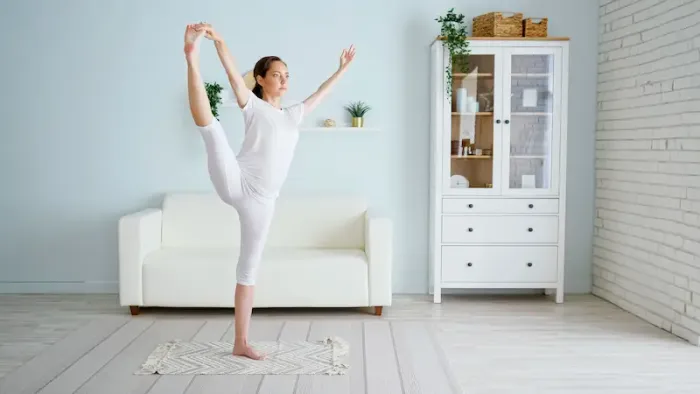
Padangusthasana is a standing forward bend where you grasp your big toes with your fingers while folding from your hips. It’s a simple-looking pose that offers a deep, effective stretch for the hamstrings and calves, and can help you practice mindful breathing and body awareness.
Padangusthasana Benefits: What Does Science Say?
Yoga affects your body and mind as a whole, and research on yoga and stretching provides helpful context for this pose.
Potential benefits of Padangusthasana (in the context of a well-rounded yoga routine) include:
• Flexibility and range of motion: Regular stretching helps keep muscles long and flexible, which supports healthy movement patterns and joint function. The hamstrings and calves are primary targets in this pose.
• Balance and body awareness: Standing poses that challenge your alignment can support better balance and proprioception over time.
• Stress management: Slow breathing and mindful movement are key elements of yoga and can help reduce stress and support relaxation.
• Back comfort and posture awareness: When done with good alignment and appropriate modifications, forward folds in yoga can complement programs that support back health. If you live with back pain, work with a qualified professional to tailor poses to your needs.
Helpful Context From Reputable Sources:
• Yoga is associated with improvements in flexibility, balance, stress management, and overall well-being.
• Stretching can help maintain flexibility and range of motion and should be done gently, without bouncing.
• Being regularly active is important for health; yoga can be one component of meeting your weekly movement goals.Consult a Top General Physician
How To Do Padangusthasana (Step-By-Step)?
Use these steps to learn the pose safely. Move slowly, breathe steadily, and stop if you feel sharp or pinching pain.
1) Set Up
• Stand tall with your feet hip-width apart and parallel. Spread your toes and balance your weight evenly across your heels, the balls of your feet, and your big-toe and little-toe mounds.
• Soften your knees; don’t lock them.
2) Fold From Your Hips
• Inhale to lengthen your spine.
• Exhale and hinge forward from your hip creases, keeping your spine long. Bend your knees as much as needed so your belly can move toward your thighs.
3) Take The Toe Grip
• Slide two fingers (index and middle) and your thumb around each big toe.
• If you can’t reach comfortably, keep your knees bent or use a strap (see modifications).
4) Lengthen, Then Fold
• Inhale and gently straighten your arms, lifting your chest slightly to create a flat back (halfway lift).
• Exhale, bend your elbows out to the sides, draw your torso toward your thighs, and let your head and neck relax.
• Keep your quads lightly engaged to support the hamstrings. Maintain even weight in your feet.
5) Breathe And Hold
• Hold for 5–10 slow breaths. Each inhale lengthens your spine; each exhale softens the fold. There is no need to force a deep stretch.
6) Release Safely
• Inhale to a halfway lift and release your toes.
• Place your hands on your hips, bend your knees, and rise with a long spine. Alternatively, roll up slowly if that’s more comfortable.
Common Alignment Tips And Mistakes To Avoid
• Don’t lock the knees: Keep a micro-bend and engage your thighs.
• Hinge at the hips, not the waist: Aim for length in your spine rather than rounding the low back.
• Avoid yanking on your toes: Use your breath and leg engagement to deepen the stretch gradually.
• Balance your weight: Don’t dump into the heels; keep the weight centered over the arches.
• Keep it pain-free: Sensation in the back of the legs is normal; sharp pain is not.
Modifications, Props, And Variations (Yoga For Toes Made Accessible)
• Bend your knees generously: Prioritize a long spine and relaxed neck over straight legs.
• Use a strap: Loop a strap or towel around the balls of your feet or big toes and hold the ends.
• Hands to blocks: If reaching your toes isn’t comfortable today, practice Uttanasana (Standing Forward Bend) with hands on yoga blocks under your shoulders.
• Wall support: Face a wall and place your hands on it as you fold for balance.
• Variation for wrist sensitivity: Skip the toe lock and hold opposite elbows or use blocks.
Note on “yoga for toes”: Gripping the big toes can build awareness in your feet and gentle activation in your arches. Press your big toes lightly into your fingers to maintain a balanced, steady connection without strain.
Safety First: Who Should Be Cautious?
Talk to a healthcare professional or a qualified yoga teacher if you:
• Have current or recent hamstring, calf, or low back injuries.
• Experience sciatica or nerve-related leg pain.
• Are pregnant: Deep forward folds may need adjustment for comfort and safety; a prenatal-trained teacher can provide alternatives.
• Have glaucoma or eye conditions: Poses with the head below the heart may raise eye pressure; ask your clinician which poses are appropriate.
• Have uncontrolled high blood pressure, dizziness, or balance concerns: Practice near a wall or chair, and avoid long holds until cleared by your clinician.
General Safety Guidelines
• Warm up first: Gentle marching, calf raises, or dynamic hamstring warm-ups (like small leg swings) help prepare tissues.
• Move slowly and avoid bouncing: Ballistic stretching can increase injury risk.
• Use pain as your guide: Stretching should feel like mild-to-moderate tension, not sharp or burning pain.
• Breathe steadily: If you feel breath-holding or strain, back off slightly.
How Often Should You Practice?
• Frequency: 3–5 times per week works well for many people when building flexibility. Even 1–2 minutes of mindful holding (broken into 2–3 shorter holds) can help when done consistently.
• Pair with other stretching exercises: Combine Padangusthasana with calf stretches, low lunges, hip flexor stretches, and gentle core work to balance your practice.
• Balance with strength: Add strength moves for the hips and core (e.g., bridges, clamshells, planks) to support healthy mechanics.
A Quick Sample Routine (10–12 Minutes)
• Warm-up (2–3 minutes): March in place, 10–15 calf raises, gentle hip circles.
• Dynamic prep (2–3 minutes): Halfway lifts (inhale, lengthen, exhale fold) for 6–8 slow rounds.
• Padangusthasana (3–4 minutes): Hold 3–5 breaths, release to halfway lift, repeat 2–3 times, adjusting knee bend and props as needed.
• Complementary pose (2 minutes): Low lunge or figure-four stretch (supine) for hips.
• Cool-down (1 minute): Easy seated forward fold with bent knees and relaxed belly.
Progress Tracking And Consistency Tips
• Use a mirror or film a short clip to check spinal alignment.
• Measure progress by comfort and control, not just range: Less strain and smoother breathing mean you’re on the right track.
• Keep sessions short and regular: Consistency beats intensity for flexibility gains.
When To Stop And Seek Help?
Stop the pose and consult a professional if you feel:
• Sharp, stabbing, or electric pain.
• Numbness or tingling that persists.
• Back pain that worsens during or after practice.
• Significant dizziness or vision changes.Consult a Top General Physician
Consult a Top General Physician

Dr. Rajib Ghose
General Physician/ Internal Medicine Specialist
25 Years • MBBS
East Midnapore
VIVEKANANDA SEBA SADAN, East Midnapore

Dr. Ajay K Sinha
General Physician/ Internal Medicine Specialist
30 Years • MD, Internal Medicine
Delhi
Apollo Hospitals Indraprastha, Delhi

(225+ Patients)

Dr. Vivek D
General Physician
4 Years • MBBS
Bengaluru
PRESTIGE SHANTHINIKETAN - SOCIETY CLINIC, Bengaluru

Dr. Harshendra Jaiswal
General Physician/ Internal Medicine Specialist
12 Years • MBBS , MD (General medicine)
Kolkata
108 DHANA DHANVANTARI Clinic, Kolkata
(25+ Patients)

Dr Syed Mateen Pasha
General Physician
2 Years • MBBS
Bengaluru
PRESTIGE SHANTHINIKETAN - SOCIETY CLINIC, Bengaluru
Consult a Top General Physician
Dr. Rajib Ghose
General Physician/ Internal Medicine Specialist
25 Years • MBBS
East Midnapore
VIVEKANANDA SEBA SADAN, East Midnapore
Dr. Ajay K Sinha
General Physician/ Internal Medicine Specialist
30 Years • MD, Internal Medicine
Delhi
Apollo Hospitals Indraprastha, Delhi
(225+ Patients)
Dr. Vivek D
General Physician
4 Years • MBBS
Bengaluru
PRESTIGE SHANTHINIKETAN - SOCIETY CLINIC, Bengaluru
Dr. Harshendra Jaiswal
General Physician/ Internal Medicine Specialist
12 Years • MBBS , MD (General medicine)
Kolkata
108 DHANA DHANVANTARI Clinic, Kolkata
(25+ Patients)
Dr Syed Mateen Pasha
General Physician
2 Years • MBBS
Bengaluru
PRESTIGE SHANTHINIKETAN - SOCIETY CLINIC, Bengaluru
More articles from General Medical Consultation


Frequently Asked Questions
1. What muscles does Padangusthasana stretch?
Primarily the hamstrings and calves. You’ll also feel lengthening along the back body, including the lower back, as you hinge from the hips with a long spine.
2. Can beginners do this pose?
Yes, with modifications. Bend your knees, use a strap or blocks, and focus on steady breathing. Over time, you may gradually straighten your legs as flexibility improves.
3. How long should I hold Padangusthasana?
Start with 20–30 seconds (3–5 slow breaths), repeat 2–3 times, and increase gradually as comfortably. Stay mindful; depth is less important than good form and easy breathing.
4. Is Padangusthasana good for back pain?
Yoga programs can help some people with chronic low back discomfort, but forward folds need care and proper technique. If you have back pain, consult your clinician and work with a qualified yoga teacher to tailor the pose.
5. What’s the difference between Padangusthasana and Uttanasana?
Both are standing forward folds. In Padangusthasana, you hold your big toes. In Uttanasana, your hands may be on the floor, blocks, or shins. Choose the variation that lets you keep a long spine without strain.