



Turmeric: Science-Backed Benefits
Curious about turmeric benefits? Learn science-backed uses, safety, doses, side effects, and who should avoid it, cited from trusted medical sources.

Introduction
Turmeric has been used for centuries in cooking and traditional medicine, and today it’s one of the most popular supplements worldwide. Many people look to turmeric for natural relief from inflammation and joint pain, but what does the science actually say? This guide explains the science-backed turmeric benefits, how to use it safely, who should avoid it, and what to expect. You’ll also find practical tips and trustworthy references so you can make informed choices.
What Is Turmeric And What Is Curcumin?
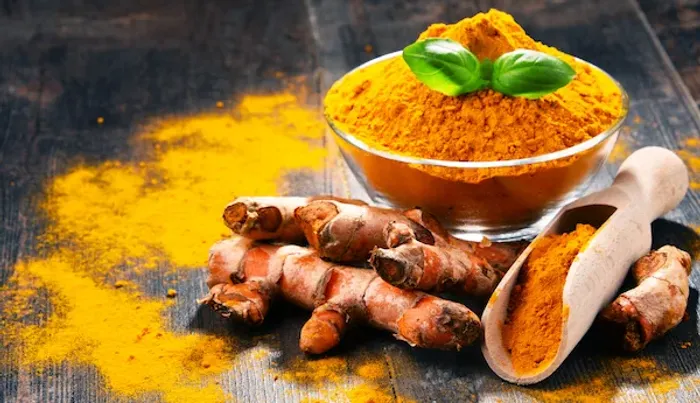
Turmeric (Curcuma longa) is a bright yellow spice from the ginger family, commonly used in curry powders and many traditional dishes. Curcumin is the best-known active compound in turmeric and is responsible for much of the spice’s color and many of its studied effects. Curcumin has antioxidant and anti-inflammatory properties in lab and clinical research. However, turmeric and curcumin are not the same: the spice contains a small percentage of curcuminoids, while supplements often concentrate curcumin.
Top Turmeric Benefits Backed By Science
Turmeric Benefits For Joint Pain And Osteoarthritis
The primary health benefit of turmeric that is most robustly supported by clinical research involves its role in managing chronic joint discomfort.
- Best evidence: Multiple clinical trials suggest curcumin extracts can modestly reduce pain and improve function in people with osteoarthritis, especially knee osteoarthritis.
- How it compares: In some studies, curcumin’s pain relief was similar to certain nonsteroidal anti-inflammatory drugs (NSAIDs), with fewer gastrointestinal side effects, though results vary by study and product.
- What to expect: Benefits tend to be modest. Consistency over several weeks is often needed in studies to see an effect.
Inflammation And Antioxidant Support
- Curcumin influences pathways involved in inflammation and oxidative stress. Studies show reductions in inflammatory markers (such as CRP) in some populations, though findings are not uniform.
- Practical meaning: Turmeric is not a cure-all, but its anti-inflammatory actions may contribute to small improvements in symptoms tied to inflammatory conditions. It should complement, not replace, clinically proven treatments.
Metabolic And Heart Health: What We Know So Far?
- Early research suggests curcumin may help improve certain blood lipid measures or insulin sensitivity in some groups, but the evidence is mixed and not strong enough to recommend turmeric as a primary treatment for heart disease, diabetes, or metabolic syndrome.
- If you have these conditions, discuss any supplements with your healthcare provider to avoid interactions and ensure they fit your care plan.
Brain And Mood: Early But Limited Evidence
- Some small studies report potential benefits of curcumin on mood or cognitive measures, but results are preliminary. Larger, longer, well-controlled trials are needed before making strong claims.
Digestive Health: Traditional Use Vs Evidence
- Turmeric has a long history in traditional medicine for digestive comfort. Modern evidence is limited and mixed for conditions like dyspepsia or irritable bowel syndrome. If you have ongoing digestive symptoms, seek a professional evaluation to rule out underlying conditions.
Consult a Top General Physician
How To Take Turmeric Safely?
Food Vs. Supplements
- Food sources: Cooking with turmeric is safe for most people and adds flavor and color to meals. Culinary use provides small amounts of curcumin along with other beneficial compounds.
- Supplements: Many studies use standardized curcumin extracts, not the spice alone. Doses in research vary; the U.S. National Center for Complementary and Integrative Health (NCCIH) notes studies commonly use 500–2,000 mg per day of curcumin extracts. Products and absorption vary widely, so always follow the label and talk with your clinician.
Absorption Tips
- Curcumin is poorly absorbed on its own. Formulations that include piperine (from black pepper) or specialized delivery systems (such as some phospholipid complexes or nanoparticles) may improve absorption.
- Take curcumin with a meal containing healthy fats to support uptake.
Common Side Effects And Quality Concerns
- Possible side effects: Upset stomach, nausea, diarrhea, headache, or dizziness, usually mild and more likely at higher supplemental doses.
- Liver risk: Rare cases of liver injury have been reported with turmeric/curcumin supplements.
- Stop the product and seek medical care if you develop symptoms such as yellowing of the skin or eyes, dark urine, or severe fatigue.
- Product quality: Supplement quality can vary. Choose reputable brands that use third-party testing (for example, USP, NSF, or ConsumerLab) to help confirm content and purity.
- Spice contamination: Public health investigations have found some imported turmeric powders adulterated with lead. Buy spices from trusted sources and brands to reduce this risk.
Who Should Avoid Turmeric Supplements Or Use With Caution?
Speak with your healthcare provider before using turmeric or curcumin supplements if you:
- Take blood thinners or antiplatelet drugs (for example, warfarin, clopidogrel) or have a bleeding disorder
- Are scheduled for surgery (stop supplements in advance as advised by your surgeon)
- Have gallbladder disease or bile duct obstruction (turmeric may worsen symptoms)
- Have liver disease or a history of liver problems
- Are you pregnant or breastfeeding (food amounts are generally considered safe; supplements should be avoided unless your clinician recommends them)
- Have diabetes (curcumin may affect blood sugar; monitor closely with your clinician)
- Have a history of kidney stones or are on a low-oxalate diet (discuss high-dose supplements with your clinician)
How Much Should You Take? Evidence-Based Basics
There is no single “best” dose for everyone. Studies most often evaluate standardized curcumin extracts in the range of about 500–2,000 mg per day, sometimes divided into two or three doses.
- Start low: If your clinician agrees, begin with the lowest effective dose on the product label to see how you respond.
- Check the label: Look for the amount of curcuminoids, not just “turmeric root,” to understand how much active compound you’re getting.
- Be patient: For joint support, some studies reported benefits after several weeks of consistent use.
Practical Ways To Add Turmeric To Your Routine
- Cook with it: Stir turmeric into soups, stews, lentils, rice, and roasted vegetables. Combine with black pepper and a source of fat (like olive oil) for flavor and better absorption.
- Try a warm drink: Make a “golden milk” with turmeric, ginger, cinnamon, black pepper, and your preferred milk. Keep added sugar low.
- Pair with protein or plants: Add turmeric to egg scrambles, tofu, or hummus for color and a gentle, earthy flavor.
What Turmeric Benefits Can You Realistically Expect?
- Most consistent: Modest relief of osteoarthritis symptoms for some people using standardized curcumin extracts.
- Possible but less certain: Small improvements in inflammation markers, mood, or metabolic measures in specific groups.
- Not proven: Prevention or treatment of cancer, heart disease, dementia, or major metabolic disorders. Turmeric should complement, not replace, medical care and proven therapies.
Safety First: How To Choose And Use Wisely?
Talk with your clinician, especially if you take medications or have chronic conditions.
- Pick quality: Choose third-party-tested supplements and reputable spice brands to reduce contamination risk.
- Monitor: Keep track of how you feel and any side effects. Stop and seek medical advice if you notice signs of liver problems or unusual bleeding.
- Keep expectations realistic: Turmeric can be a helpful part of a broader healthy lifestyle, including a balanced diet, physical activity, sleep, and stress management.
Consult a Top General Physician
Consult a Top General Physician


Dr. Syed Ismail Ali
General Practitioner
7 Years • MBBS
Hyderabad
Apollo 24|7 Clinic, Hyderabad

Dr. Anand Ravi
General Physician
2 Years • MBBS, FEM
Bengaluru
PRESTIGE SHANTHINIKETAN - SOCIETY CLINIC, Bengaluru

Dr. Vivek D
General Physician
4 Years • MBBS
Bengaluru
PRESTIGE SHANTHINIKETAN - SOCIETY CLINIC, Bengaluru

Dr Syed Mateen Pasha
General Physician
2 Years • MBBS
Bengaluru
PRESTIGE SHANTHINIKETAN - SOCIETY CLINIC, Bengaluru

Dr. Ajay K Sinha
General Physician/ Internal Medicine Specialist
30 Years • MD, Internal Medicine
Delhi
Apollo Hospitals Indraprastha, Delhi

(225+ Patients)
Consult a Top General Physician
Dr. Syed Ismail Ali
General Practitioner
7 Years • MBBS
Hyderabad
Apollo 24|7 Clinic, Hyderabad
Dr. Anand Ravi
General Physician
2 Years • MBBS, FEM
Bengaluru
PRESTIGE SHANTHINIKETAN - SOCIETY CLINIC, Bengaluru
Dr. Vivek D
General Physician
4 Years • MBBS
Bengaluru
PRESTIGE SHANTHINIKETAN - SOCIETY CLINIC, Bengaluru
Dr Syed Mateen Pasha
General Physician
2 Years • MBBS
Bengaluru
PRESTIGE SHANTHINIKETAN - SOCIETY CLINIC, Bengaluru
Dr. Ajay K Sinha
General Physician/ Internal Medicine Specialist
30 Years • MD, Internal Medicine
Delhi
Apollo Hospitals Indraprastha, Delhi
(225+ Patients)
More articles from General Medical Consultation
_0.webp)

 Ayurvedic Uses, Benefits, and Side Effects.webp)


Frequently Asked Questions
Does turmeric really help with inflammation?
Curcumin, a compound in turmeric, influences inflammatory pathways. Clinical studies show modest benefits for conditions like osteoarthritis. It’s not a cure-all, but it can be a supportive tool alongside standard care.
Are turmeric supplements safe to take daily?
Many people tolerate them well, especially at modest doses and for short to medium durations. However, supplements can interact with medications and aren’t right for everyone. Rare liver problems have been reported. Discuss long-term daily use with your clinician.
Can turmeric help with arthritis pain?
Research suggests standardized curcumin extracts can reduce pain and improve function in osteoarthritis for some people. Results vary by person and product, and it may take several weeks to notice an effect.
What’s the best way to take turmeric for absorption?
Curcumin absorbs better with black pepper (piperine), certain specialized formulations, and when taken with a meal containing healthy fat. Follow product directions and your clinician’s guidance.
Can turmeric prevent or treat cancer?
No supplement should be used to prevent or treat cancer without medical supervision. While lab studies are promising, large, high-quality human trials are lacking. If you’re undergoing cancer treatment, talk to your oncology team before taking any supplement.