


Understanding Blood Sugar Levels: A Complete Guide
Learn healthy blood sugar levels, a clear glucose chart, and practical diabetes management tips. Get testing guidance, warning signs, and expert-backed advice.

Written by Dr. Vasanthasree Nair
Reviewed by Dr. Rohinipriyanka Pondugula MBBS
Last updated on 14th Jan, 2026
Introduction
Understanding blood sugar levels is one of the best steps you can take for better health. Whether you are preventing diabetes, newly diagnosed, or fine-tuning diabetes management, knowing your numbers and what to do about them, can help you feel better today and prevent complications later. This friendly guide explains normal ranges, how diabetes is diagnosed, an easy-to-read glucose chart, how and when to test, and everyday strategies to keep your levels in a healthy range.
What Are Blood Sugar Levels?
Blood sugar (glucose) is your body’s main fuel. It comes from the food you eat and from your liver.
Insulin (made by the pancreas) helps move glucose into your cells for energy. Glucagon (another hormone) helps raise blood sugar when it gets too low.
If your body doesn’t make enough insulin or can’t use it well, blood sugar can run high over time, which increases the risk of heart disease, kidney disease, vision problems, nerve damage, and more.
How Is Diabetes Diagnosed?
Healthcare professionals use several tests. Thresholds below reflect widely used standards from major health organizations:
- A1C (glycated hemoglobin): Estimates your average blood sugar over about 2–3 months.
- Normal: below 5.7%
- Prediabetes: 5.7% to 6.4%
- Diabetes: 6.5% or higher (confirmed with repeat testing unless there are clear symptoms)
- Fasting Plasma Glucose (FPG): Measured after no food or drink (except water) for at least 8 hours.
- Normal: 70–99 mg/dL (3.9–5.5 mmol/L)
- Prediabetes: 100–125 mg/dL (5.6–6.9 mmol/L)
- Diabetes: 126 mg/dL (7.0 mmol/L) or higher, on two separate tests
- Oral Glucose Tolerance Test (OGTT): After an overnight fast, blood sugar is measured before and 2 hours after drinking a glucose solution.
- Normal at 2 hours: below 140 mg/dL (7.8 mmol/L)
- Prediabetes at 2 hours: 140–199 mg/dL (7.8–11.0 mmol/L)
- Diabetes at 2 hours: 200 mg/dL (11.1 mmol/L) or higher
- Random Plasma Glucose: 200 mg/dL (11.1 mmol/L) or higher with symptoms (excessive thirst, urination, weight loss) can indicate diabetes.
Consult a Top General Physician
Quick Glucose Chart (Mg/Dl And Mmol/L)
Use this glucose chart as a simple guide. Targets can vary. Your clinician may adjust goals based on age, other health conditions, pregnancy, and treatment plan.
For People Without Diabetes
- Fasting (after 8+ hours without food): 70–99 mg/dL (3.9–5.5 mmol/L)
- 2 hours after meals: usually below 140 mg/dL (7.8 mmol/L)
Prediabetes (Diagnostic Ranges)
- Fasting: 100–125 mg/dL (5.6–6.9 mmol/L)
- 2 hours after OGTT drink: 140–199 mg/dL (7.8–11.0 mmol/L)
A1C: 5.7%–6.4%
Diabetes (Diagnostic Thresholds)
- Fasting: 126 mg/dL (≥7.0 mmol/L) on two separate tests
- 2 hours after OGTT drink: 200 mg/dL (≥11.1 mmol/L)
- A1C: 6.5% or higher
Everyday Targets For Many Nonpregnant Adults With Diabetes
Achieving glycemic control and managing blood pressure and cholesterol are everyday targets for many non-pregnant adults with diabetes.
Before Meals (Premeal): 80–130 Mg/Dl (4.4–7.2 Mmol/L)
- 1–2 hours after meals (postmeal peak): under 180 mg/dL (<10.0 mmol/L)
Note: Goals are individualised. Some people aim higher or lower depending on personal factors. Always follow your care plan.
Low blood sugar (hypoglycemia)
- Generally, below 70 mg/dL (3.9 mmol/L) is considered low and needs treatment.
Tip: To convert mg/dL to mmol/L, divide by 18. To convert mmol/L to mg/dL, multiply by 18.
Testing And Tracking: How To Use Your Numbers?
Self-monitoring and lab tests give complementary information.
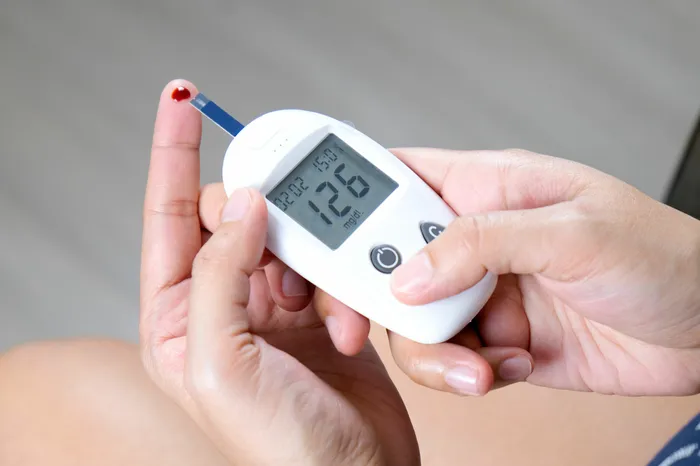
Fingerstick Blood Glucose Meters (SMBG):
- Useful for checking fasting, before and after meals, and at bedtime.
- Many people test:
- On waking (fasting)
- Before meals, and 1–2 hours after starting a meal
- At bedtime
- Ask your clinician how often you should test and what patterns to look for.
Continuous Glucose Monitors (CGMs):
- Use a small sensor under the skin to measure glucose in fluid around the cells, showing trends and alerts.
- Helpful for spotting overnight lows, dawn phenomenon, and how meals and activity affect you in real time.
- Not everyone needs a CGM, but many find it valuable for diabetes management.
A1c:
- Lab test every 3–6 months (or as advised) to track overall control.
- For many adults with diabetes, a common goal is A1C below 7%, but your target may differ.
Keeping A Simple Log:
- Record date/time, result, what you ate, activity, stress, illness, and medications.
- Review patterns with your healthcare team to adjust your plan.
What Can Raise Or Lower Blood Sugar Levels?
Blood sugar levels are a delicate balance, primarily influenced by food choices, physical activity, medications, stress, illness, and sleep patterns.
Food:
- Carbohydrates have the biggest impact.
- Fiber slows absorption; sugary drinks can spike levels quickly.
Physical Activity:
- Aerobic exercise lowers glucose during and after activity.
- Strength training improves insulin sensitivity over time.
Stress And Sleep:
- Poor sleep and stress hormones can raise glucose levels.
- Illness:
- Infections can drive levels up; you may need to test more often. Medications:
- Steroids can raise glucose; insulin and some diabetes drugs lower it.
Hormonal Patterns:
- Dawn phenomenon: hormones in the early morning can raise fasting readings.
Dehydration And Alcohol:
- Dehydration can concentrate blood sugar. Alcohol may initially lower levels, then cause delayed lows. Monitor closely and eat if you drink.
Everyday Diabetes Management: Simple, Proven Steps
Diabetes management works best when you combine small, sustainable habits with your prescribed treatment plan.
Build Balanced Meals
- Try filling half your plate with nonstarchy vegetables, a quarter with lean protein, and a quarter with whole grains or other high fiber carbs.
- Favor highfiber foods (beans, lentils, oats, berries, leafy greens) to steady blood sugar levels.
- Limit sugary drinks and refined carbs (soda, juice, candy, pastries).
Mind Your Portions And Timing
- Eating consistent amounts of carbohydrates at regular times can prevent big swings.
- If you use insulin or medications that can cause lows, coordinate dosing with meal timing per your clinician’s guidance.
Move More
- Aim for at least 150 minutes per week of moderate aerobic activity (such as brisk walking), plus
- 2–3 sessions of strength training, as tolerated.
- Even short postmeal walks (10–15 minutes) can help curb postmeal spikes.
Sleep And Stress Care
- Aim for 7–9 hours of quality sleep.
- Try stress reducers like breathing exercises, stretching, yoga, or a brief walk.
Take Medications As Prescribed
- Common options include metformin, insulin, GLP‑1 receptor agonists, and SGLT2 inhibitors. Your clinician will tailor therapy to your needs.
- Never stop or change doses without medical advice.
Hydration And Alcohol
- Drink water regularly.
- If you drink alcohol, do so in moderation and with food, and monitor for delayed lows (especially
- if you use insulin or sulfonylureas).
Create A Sick Day Plan
- Illness can raise glucose; you may need to check more often.
- Know when to check ketones and when to call your care team.
When To Seek Help?
Knowing the right time to reach out is a critical step toward well-being.
Call Your Healthcare Team If:
- Your readings are frequently above your targets despite following your plan.
- You have fasting readings persistently above 130 mg/dL (7.2 mmol/L) or postmeal readings consistently above 180 mg/dL (10.0 mmol/L).
- You notice symptoms like increased thirst, frequent urination, unexplained weight loss, blurry vision, or fatigue.
Treat Low Blood Sugar (Below 70 Mg/Dl / 3.9 Mmol/L):
- Use the “15–15 rule”: take 15 grams of fast-acting carbs (e.g., 4 oz juice, regular soda, glucose tablets), recheck in 15 minutes, and repeat if still low. Eat a snack or meal once normalized if the next meal is more than an hour away.
Seek Urgent Care If:
- You have severe low blood sugar (confusion, seizure, or inability to selftreat).
- You have very high readings (e.g., above 300 mg/dL / 16.7 mmol/L) with symptoms like nausea, vomiting, abdominal pain, fast breathing, or fruity breath, signs of possible ketoacidosis.
- You are pregnant and have concerning readings, pregnancy targets are different; talk with your obstetric and diabetes team.
Special Situations
- Pregnancy (gestational diabetes): Targets are stricter, and monitoring is more frequent. Follow your obstetric provider’s plan closely.
- Older adults and people with other health conditions: Safer, more flexible targets may reduce the risk of low blood sugar. Personalize goals with your clinician.
- Weight changes and new medications: Both can affect glucose control; recheck targets and testing frequency after changes.
Putting It All Together
- Use the glucose chart as a reference, but personalize your targets with your care team.
- Combine monitoring (SMBG or CGM) with steady habits, balanced meals, movement, sleep, stress care, hydration, and your prescribed medications.
- Small steps, repeated daily, are powerful for long-term diabetes management and overall health.
Consult a Top General Physician
Consult a Top General Physician

Dr. Rajib Ghose
General Physician/ Internal Medicine Specialist
25 Years • MBBS
East Midnapore
VIVEKANANDA SEBA SADAN, East Midnapore

Dr. Ajay K Sinha
General Physician/ Internal Medicine Specialist
30 Years • MD, Internal Medicine
Delhi
Apollo Hospitals Indraprastha, Delhi

(200+ Patients)

Dr. Hariprasath J
General Physician/ Internal Medicine Specialist
19 Years • MD (Gen Med), FCCP, Dip (Diabetology, UK)
Chennai
Apollo First Med Hospitals P H Road, Chennai
(225+ Patients)

Dr. B Shilpa Naidu
General Physician/ Internal Medicine Specialist
9 Years • MBBS, MD GENERAL MEDICINE
Bengaluru
Apollo Medical Center, Marathahalli, Bengaluru
(50+ Patients)

Dr. Vishal Kumar H
General Physician/ Internal Medicine Specialist
8 Years • MBBS, master class in critical care medicine, Advanced Post Graduate Diploma in Non Invasive Cardiology, certificate course in Cardiovascular Disease & Stroke, Certificate course in Common Mental Disorder
Bengaluru
Apollo Clinic, Basavanagudi, Bengaluru
Consult a Top General Physician
Dr. Rajib Ghose
General Physician/ Internal Medicine Specialist
25 Years • MBBS
East Midnapore
VIVEKANANDA SEBA SADAN, East Midnapore
Dr. Ajay K Sinha
General Physician/ Internal Medicine Specialist
30 Years • MD, Internal Medicine
Delhi
Apollo Hospitals Indraprastha, Delhi
(200+ Patients)
Dr. Hariprasath J
General Physician/ Internal Medicine Specialist
19 Years • MD (Gen Med), FCCP, Dip (Diabetology, UK)
Chennai
Apollo First Med Hospitals P H Road, Chennai
(225+ Patients)
Dr. B Shilpa Naidu
General Physician/ Internal Medicine Specialist
9 Years • MBBS, MD GENERAL MEDICINE
Bengaluru
Apollo Medical Center, Marathahalli, Bengaluru
(50+ Patients)
Dr. Vishal Kumar H
General Physician/ Internal Medicine Specialist
8 Years • MBBS, master class in critical care medicine, Advanced Post Graduate Diploma in Non Invasive Cardiology, certificate course in Cardiovascular Disease & Stroke, Certificate course in Common Mental Disorder
Bengaluru
Apollo Clinic, Basavanagudi, Bengaluru
More articles from General Medical Consultation



.webp)

Frequently Asked Questions
What is a normal fasting blood sugar?
For most people without diabetes, normal fasting is 70–99 mg/dL (3.9–5.5 mmol/L). For those with diabetes, many clinicians recommend a premeal target of 80–130 mg/dL (4.4–7.2 mmol/L), individualized to you.
How does A1C relate to daily readings?
A1C reflects your average blood sugar over about 2–3 months. It complements fingerstick or CGM readings, which show day-to-day patterns. Many adults aim for an A1C below 7%, but your target may differ.
When should I test my blood sugar?
Common times include upon waking (fasting), before meals, 1–2 hours after meals, and at bedtime. If you change medications, are ill, start a new exercise routine, or notice symptoms, you may need extra checks. Ask your clinician for a schedule that fits your plan.
Can I lower blood sugar quickly?
Gentle activity (like a 10–15 minute walk) after meals can help. Drink water and follow your medication plan. Avoid “crash” fixes, work with your care team for safe, steady progress.
Do I need a continuous glucose monitor (CGM)?
CGMs are very helpful for many people using insulin or those who need to see trends and get alerts. Not everyone needs one. Discuss benefits, costs, and insurance coverage with your clinician.