


Sesame Seeds: Ayurvedic Uses, Benefits And Side Effects
Discover sesame seeds benefits from Ayurveda to science. Learn how til seeds and healthy fats support wellness, plus side effects and safe use.

Introduction
Tiny but mighty, sesame seeds (also called til seeds) have nourished people for thousands of years. They’re prized in Ayurveda and widely used in global cuisines for their nutty flavour and healthy fats. Today, modern nutrition also recognises potential sesame seeds benefits—from heart support to digestion and bone health—when they’re eaten as part of a balanced diet. This guide blends traditional perspectives with current science so you can use sesame confidently and safely.
Sesame Seeds Benefits at a Glance
Here are some sesame seeds benefits:
• Naturally rich in healthy fats (mostly unsaturated), plant protein, and dietary fibre
• Provide key minerals like calcium, magnesium, iron, zinc, and copper
• Contain plant compounds (lignans such as sesamin and sesamolin) and phytosterols with antioxidant properties
• May support heart health, blood sugar control, and bone health when included in a varied, balanced eating pattern
• Versatile: enjoy whole seeds, tahini (sesame paste), or sesame oil in both sweet and savoury dishes
What Ayurveda Says About Sesame Seeds?
Know all about sesame seeds here:
Traditional Properties
• Warming and nourishing: Often recommended to balance Vata (dryness and coolness)
• Oily and grounding: Believed to support tissues, skin, and joint comfort
• Seasonally supportive: Frequently used in cooler months for warmth and energy
Common Ayurvedic Uses for Sesame
• Sesame oil abhyanga (self-massage): Warm sesame oil is used on the skin to promote relaxation and moisturization. While many people find this soothing, keep in mind that clinical evidence is limited; patch-test first if you have sensitive skin.
• Culinary use: Til seeds and sesame oil appear in many traditional recipes (laddoos, chutneys, tempering oil), aligning with Ayurveda’s emphasis on whole foods and spices.
• Postnatal and seasonal nourishment: Til-based sweets and porridges are traditionally offered for energy and comfort. Evidence is traditional; follow your clinician’s advice if you have special dietary needs.
What’s Inside Sesame: Nutrients and Healthy Fats
Sesame seeds are nutrient-dense. Here’s what they typically offer:
• Fats: Primarily unsaturated fats (polyunsaturated and monounsaturated), including linoleic acid—linked with heart health when they replace saturated fats.
• Protein: Plant-based protein that helps with fullness and muscle maintenance as part of a varied diet.
• Fibre: Supports digestive regularity and helps you feel satisfied after meals.
• Minerals: Notably calcium and magnesium (important for bones and muscles), plus iron, zinc, and copper.
• Phytochemicals: Lignans (sesamin, sesamolin) and phytosterols, which have antioxidant properties and may help maintain healthy cholesterol levels when combined with a heart-friendly diet.
Evidence-Based Health Benefits
Here are some evidence based health benefits:
Heart Health and Cholesterol
• Replacing foods high in saturated fat with those rich in unsaturated fat—like sesame and other seeds—supports heart health.
• Sesame contains phytosterols, which can help reduce the absorption of LDL (“bad”) cholesterol when consumed in adequate amounts as part of a balanced diet.
• The fibre, plant protein, and antioxidants in sesame can further complement a heart-friendly eating pattern.
Blood Pressure Support
• Diets emphasising unsaturated fats, nuts, and seeds are associated with healthier blood pressure over time.
• Sesame’s minerals (e.g., magnesium) and polyphenols may contribute modestly to this effect. Regular physical activity, sodium reduction, and overall dietary pattern matter most.
Blood Sugar Balance
• Sesame’s fibre, fat, and protein help slow digestion, which can smooth out post-meal blood sugar spikes.
• Pairing til seeds with carbohydrate foods (for example, sprinkling sesame on whole grains or adding tahini to a salad) can help meals feel more satisfying and steady.
Bone and Joint Support
• Sesame provides calcium and magnesium, which help maintain bone structure and muscle function.
• Toasting or lightly soaking seeds may make certain minerals more available by reducing “antinutrients” (like phytates) that can limit absorption.
Antioxidant Support
• Lignans and vitamin E compounds in sesame offer antioxidant activity, helping protect cells from everyday oxidative stress.
• Enjoy sesame alongside a variety of fruits, vegetables, whole grains, legumes, and other seeds for a broader mix of protective compounds.
Note: No single food is a cure-all. Benefits come from overall diet and lifestyle. The points below reflect current nutrition guidance and research trends.Consult Top Specialists
Possible Side Effects and Who Should Be Cautious
While most people can enjoy sesame as part of a balanced diet, consider the following:
• Allergy: Sesame is a major food allergen and can cause reactions ranging from hives to anaphylaxis in allergic individuals. Avoid sesame in all forms if you’re allergic and read labels carefully. In some countries, sesame must be clearly declared on packaged foods. Seek medical advice for testing and emergency preparedness (e.g., epinephrine) if needed.
• Calorie density: Seeds are energy-dense. A small amount goes a long way. If you’re watching your energy intake, measure portions (for example, a teaspoon to a tablespoon sprinkled on meals) and balance with fruits, vegetables, legumes, whole grains, and lean proteins.
• Digestive sensitivity: Large amounts of seeds may bother sensitive stomachs. Start small and drink water throughout the day.
• Choking risk: Whole seeds can be a choking hazard for young children. Use seed butters (like tahini) or ground seeds and follow pediatric guidance for age-appropriate textures.
• Skin sensitivity (topical oil): If using sesame oil on the skin, patch-test first to check for irritation or contact allergy.
Always talk to your healthcare provider if you have chronic conditions, take prescription medications, or plan to use concentrated supplements or oils.
How to Add Sesame Seeds to Your Diet?
Sesame is incredibly versatile:
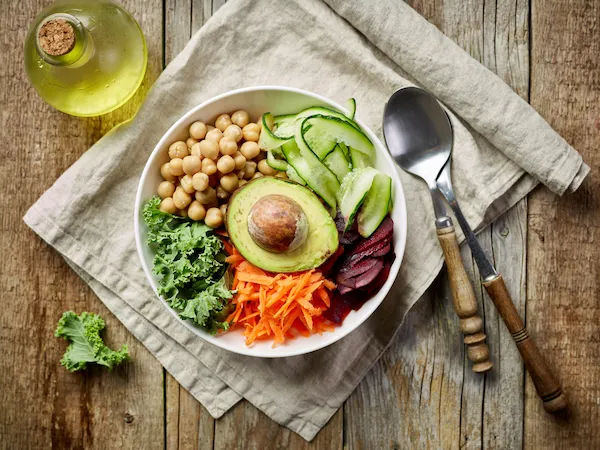
• Sprinkle on meals: Add a teaspoon or two to salads, stir-fries, grain bowls, yoghurt, or roasted vegetables.
• Try tahini: This creamy sesame paste is great in hummus, dressings, sauces, and desserts. It delivers healthy fats and a smooth texture.
• Bake and toast: Lightly toast sesame in a dry skillet over low heat until fragrant to enhance flavour. Add to breads, crackers, and energy bites.
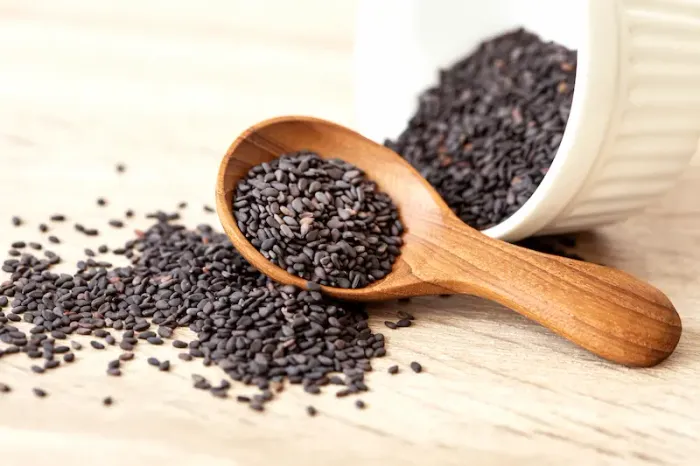
• Explore black vs. white sesame: Black sesame has a slightly stronger, earthier flavour and looks striking on dishes. White (hulled) sesame is milder.
• Use sesame oil wisely: Toasted sesame oil adds deep flavour as a finishing oil. Light (untoasted) sesame oil can be used for sautéing at moderate heat. Use sparingly and store in a cool, dark place.
Smart Portioning and Storage
• Portion guidance: Because sesame is calorie-dense, small amounts (1–2 teaspoons to a tablespoon at a time) deliver taste and nutrition without overdoing calories. Adjust to your overall eating pattern and goals.
• Storage: Keep seeds and tahini in airtight containers away from heat and light. Refrigerate tahini after opening to preserve freshness and flavour. Smell and taste to check for rancidity; discard if off.
Simple, Tasty Ideas to Try
Let’s have a look at some simple and tasty ideas to try:
• Lemon-tahini salad dressing: Whisk tahini with lemon juice, water, garlic, and a pinch of salt. Drizzle over greens or grain bowls.
• Sesame sprinkle: Toast sesame with a touch of sea salt and crushed chili to top avocado toast, soups, or roasted veggies.
• Yoghurt-tahini dip: Mix tahini into plain yoghurt with herbs for a creamy dip for raw vegetables.
• Sesame oats: Stir a spoon of tahini into warm oatmeal and finish with cinnamon and fruit.Consult Top Specialists
Consult Top Specialists

Ms Malabika Datta
Dietician
19 Years • Bsc (Clinical Nutrition & Dietetics), Msc (Dietetics & Food Service Management)
Kolkata
Malabika’s Diet Clinic, Kolkata

Ms. Neelanjana J
Dietician
5 Years • Bsc., Msc. Nutrition and Dietetics specialised general weight management, PCOS/PCOD weight loss and Diabetes management. A clinical dietitian with 4+ year experience specializing in evidence-based, result-oriented nutrition therapy. I have extensive experience in weight loss, thyroid management, PCOD/PCOS, weight gain, and diabetes & prediabetes care. My approach is personalized, practical, and sustainable—focusing on helping individuals achieve long-term lifestyle change rather than quick fixes. I work closely with clients to understand their medical history, lifestyle, and goals, and then design customized diet plans that support hormonal balance, metabolic health, and overall wellbeing. My goal is to make nutrition simple, realistic, and effective—so you see measurable results and feel your healthiest self.Auther in Health benefits of jackfruit (Artocarpus heterophyllus Lam.) seeds: A review (2023) The Pharma Innovation Journal Co- Auther in Malnutrition in Women: A review (2023) The Pharma Innovation Journal. Highfield Level 3 in HACCP. Highfield Level 4 International Award in Food Safety Managment
Bengaluru
Apollo Clinic, JP nagar, Bengaluru

Dr Darshana R
General Physician/ Internal Medicine Specialist
15 Years • MBBS, MD, DNB (Internal Medicine), Diploma in Allergy, Asthma and Immunology , Fellowship in Diabetes
Bengaluru
Apollo Clinic, JP nagar, Bengaluru

(125+ Patients)

Ms Chetu Singhi
Dietician
20 Years • MSC Dietetics & Nutrition
Kolkata
RB Diagnostic - Dietician Diet2fit Chetu Singhi, Kolkata

Ms. Shereen Begum
Dietician
8 Years • BSC Food Science & Management, Msc (Nutrition & Dietetics)
Hyderabad
Dr Shereen clinic, Hyderabad
Consult Top Specialists
Ms Malabika Datta
Dietician
19 Years • Bsc (Clinical Nutrition & Dietetics), Msc (Dietetics & Food Service Management)
Kolkata
Malabika’s Diet Clinic, Kolkata
Ms. Neelanjana J
Dietician
5 Years • Bsc., Msc. Nutrition and Dietetics specialised general weight management, PCOS/PCOD weight loss and Diabetes management. A clinical dietitian with 4+ year experience specializing in evidence-based, result-oriented nutrition therapy. I have extensive experience in weight loss, thyroid management, PCOD/PCOS, weight gain, and diabetes & prediabetes care. My approach is personalized, practical, and sustainable—focusing on helping individuals achieve long-term lifestyle change rather than quick fixes. I work closely with clients to understand their medical history, lifestyle, and goals, and then design customized diet plans that support hormonal balance, metabolic health, and overall wellbeing. My goal is to make nutrition simple, realistic, and effective—so you see measurable results and feel your healthiest self.Auther in Health benefits of jackfruit (Artocarpus heterophyllus Lam.) seeds: A review (2023) The Pharma Innovation Journal Co- Auther in Malnutrition in Women: A review (2023) The Pharma Innovation Journal. Highfield Level 3 in HACCP. Highfield Level 4 International Award in Food Safety Managment
Bengaluru
Apollo Clinic, JP nagar, Bengaluru
Dr Darshana R
General Physician/ Internal Medicine Specialist
15 Years • MBBS, MD, DNB (Internal Medicine), Diploma in Allergy, Asthma and Immunology , Fellowship in Diabetes
Bengaluru
Apollo Clinic, JP nagar, Bengaluru
(125+ Patients)
Ms Chetu Singhi
Dietician
20 Years • MSC Dietetics & Nutrition
Kolkata
RB Diagnostic - Dietician Diet2fit Chetu Singhi, Kolkata
Ms. Shereen Begum
Dietician
8 Years • BSC Food Science & Management, Msc (Nutrition & Dietetics)
Hyderabad
Dr Shereen clinic, Hyderabad
More articles from General Medical Consultation

.webp)
Frequently Asked Questions
1) Are sesame seeds good for heart health?
Yes, when used in place of foods high in saturated fat, sesame can support heart health thanks to its unsaturated fats, fibre, and plant sterols. Aim for an overall heart-healthy pattern rich in vegetables, fruits, whole grains, legumes, and other nuts/seeds, and stay active.
2) Do til seeds help with weight loss?
No single food causes weight loss. Til seeds can fit into a weight-management plan because their protein, fibre, and healthy fats help with fullness. Because they’re calorie-dense, use small portions and combine them with high-fibre foods like vegetables and whole grains.
3) Is sesame oil a healthy cooking oil?
Light (untoasted) sesame oil contains mostly unsaturated fats and can be used for sautéing at moderate heat. Toasted sesame oil is best as a finishing oil for flavour. As with all oils, use modest amounts and focus on an overall balanced diet.
4) Should I soak or roast sesame seeds?
Light soaking or roasting can reduce antinutrients (like phytates) and enhance flavour. If you enjoy them raw and digest them well, that’s fine too. For easier digestion, try lightly toasting before sprinkling on meals.
5) If I have a nut allergy, can I eat sesame?
Sesame is a seed, not a tree nut, but sesame allergy is its own condition. Some people have both nut and sesame allergies, and cross-contact in food prep can occur. If you have any food allergies, speak with your allergist before trying sesame and read labels carefully.