

Mulberry: Ayurvedic Uses, Benefits, and Side Effects
Discover mulberry benefits, how this ayurvedic berry fits your diet, antioxidant fruits facts, side effects, and safety. Evidence-based tips.

Written by Dr. Mohammed Kamran
Reviewed by Dr. Rohinipriyanka Pondugula MBBS
Last updated on 13th Jan, 2026
Introduction
Sweet, juicy, and often overlooked, mulberries are flavorful ayurvedic berries that fit beautifully into a healthy, modern diet. As part of antioxidant fruits, they offer natural plant compounds, fibre, and vitamin C that support overall wellness. This guide explores mulberry benefits grounded in reputable medical information, how mulberry is viewed in Ayurveda, practical ways to enjoy it, and key side effects and safety tips before you add it to your routine.
What Is Mulberry?
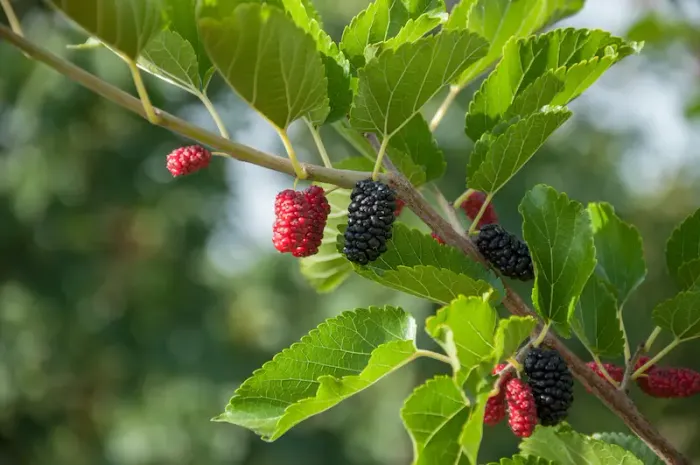
Mulberries are the fruit of the Morus tree, most commonly Morus alba (white mulberry), Morus nigra (black mulberry), and Morus rubra (red mulberry). The fruit looks similar to elongated blackberries and ranges in colour from white and pink to deep purple-black.
• White mulberries: Usually paler and sweeter; often eaten fresh or dried.
• Black mulberries: Darker and more tart; the deep colour signals anthocyanins, a type of antioxidant found in many berries.
• Red mulberries: Native to North America; flavour varies with ripeness.
Fresh mulberries are seasonal and delicate, but you’ll often find them frozen or dried. Leaves of the white mulberry are used as tea or in supplements in some traditions, though food-first approaches are generally safest and best supported for everyday health.
Mulberry Benefits: What the Evidence Supports
There is growing interest in mulberry benefits, but most of the strongest evidence applies to berries and fruit-rich eating patterns as a whole. Below are science-aligned ways mulberries can support health as part of a balanced diet.
1) A Nutritious Way to Eat More Fruit
• Mulberries provide dietary fibre and vitamin C, nutrients that support immune function, skin health (via collagen formation), and healthy digestion.
• Major health organisations recommend eating plenty of fruits for overall health, weight management, and reduced risk of chronic disease.
Why it matters: Meeting daily fruit targets is consistently linked with better health outcomes. Mulberries are one tasty way to help you get there.
2) Antioxidant Support from Berries
• Mulberries, like other antioxidant fruits, contain polyphenols (including anthocyanins, especially in darker varieties).
• Observational research in berries suggests that diets rich in these compounds are associated with healthier blood vessels and reduced oxidative stress.
Bottom line: Including a variety of berries is a smart, food-first strategy.
3) Heart-Friendly Eating Patterns
• Eating more fruits and vegetables is tied to a lower risk of heart disease and stroke.
• Mulberries can substitute for more processed sweets, helping you satisfy a sweet tooth with fibre, water, and micronutrients rather than added sugars.
4) Digestive Wellness
• The fibre in mulberries supports regularity and helps feed beneficial gut bacteria.
• A higher-fibre diet is linked with better digestive and metabolic health.
5) Blood Sugar Basics
• Whole fruits, including mulberries, can fit into blood-sugar-friendly eating when portioned within your overall carbohydrate plan.
• Mulberry leaf teas and supplements have been studied for effects on after-meal blood sugar. Evidence is mixed and not strong enough for medical claims.
Tip: If you have diabetes or take glucose-lowering medications, talk to your clinician before using mulberry leaf products.
Mulberry in Ayurveda
Ayurveda, India’s traditional health system, emphasises seasonal, whole foods and a balanced lifestyle. Within this framework:
• Mulberry fruit is traditionally enjoyed as a nourishing, seasonal food.
• It may be used fresh, dried, or prepared in cooling beverages (like sharbat-style drinks).
• Mulberry leaves are sometimes brewed as a tea in traditional practices.
Important Note: Traditional uses do not replace medical advice, and modern clinical trials are limited for specific Ayurvedic claims. If you work with an Ayurvedic practitioner, share your health history and medications for safe, individualised guidance.
Practical Ayurvedic-Inspired Ways to Enjoy Mulberries
• Fresh mulberries: Enjoy a small bowl on their own or pair with yoghurt and nuts.
• Compote or chutney: Simmer mulberries with water and warming spices like ginger or cardamom.
• Infused water or iced tea: Add mulberries and mint to chilled water for a refreshing drink.
How to Add Mulberries to Your Diet?
Here are easy, delicious ways to bring mulberry benefits into your routine:
• Breakfast bowls: Stir into oatmeal, yoghurt, or chia pudding.
• Smoothies: Blend with greens, Greek yoghurt, and banana or pear.
• Salads: Toss into green salads with goat cheese and walnuts.
• Whole-grain baking: Fold dried mulberries into granola or pancakes.
• Smart snack: Pair with a protein source (nuts, seeds, or yoghurt).
Portion Tips
• Most adults benefit from 1.5–2 cups of fruit per day as part of a balanced diet.
• Rotate your fruits through the week for diverse nutrients and plant compounds.
Side Effects, Risks, and Interactions
Fresh mulberries eaten as food are generally safe for most people. Still, a few considerations keep your routine safe and effective. Here are they:
Possible Side Effects
• Digestive changes: A sudden fiber increase can cause gas or bloating.
• Allergies: Rare, but possible. Seek medical care for itching, swelling, or breathing difficulty.
Supplements and Teas Made from Mulberry Leaves
• Blood sugar: May lower after-meal glucose. Use caution if on diabetes medications.
• Quality: Choose tested brands (USP, NSF, ConsumerLab).
• Surgery: Stop use 2 weeks before surgery unless advised otherwise.
• Pregnancy & breastfeeding: Avoid supplements without clinician approval.
Medication Considerations
• Diabetes medications: Possible additive blood-sugar-lowering effect.
• Blood thinners (e.g., warfarin): Maintain consistent vitamin K intake.
• General rule: Always disclose herbal use to your healthcare provider.
Buying and Storing Mulberries
• Fresh: Choose firm, richly colored berries. Store unwashed in the fridge and rinse before use.
• Frozen: Ideal for smoothies and nutrient retention.
• Dried: Flavorful but calorie-dense—opt for unsweetened types.
Who Should Be Extra Cautious?
Here’s who should be extra cautious:
• People managing blood sugar: Work with your healthcare team before using mulberry leaves.
• People on multiple medications: Review any supplement with a clinician.
• Pregnant or breastfeeding individuals: Stick to food portions; avoid supplements unless cleared by your doctor.
Consult Top Specialists

Ms. Sushma Jaiswal
Dietician
42 Years • M.Sc.(Food & Nutrition)
Bengaluru
Swasthya Nutrition, Bengaluru

Ms Malabika Datta
Dietician
19 Years • Bsc (Clinical Nutrition & Dietetics), Msc (Dietetics & Food Service Management)
Kolkata
Malabika’s Diet Clinic, Kolkata

Ms. Neelanjana J
Dietician
5 Years • Bsc., Msc. Nutrition and Dietetics specialised general weight management, PCOS/PCOD weight loss and Diabetes management. A clinical dietitian with 4+ year experience specializing in evidence-based, result-oriented nutrition therapy. I have extensive experience in weight loss, thyroid management, PCOD/PCOS, weight gain, and diabetes & prediabetes care. My approach is personalized, practical, and sustainable—focusing on helping individuals achieve long-term lifestyle change rather than quick fixes. I work closely with clients to understand their medical history, lifestyle, and goals, and then design customized diet plans that support hormonal balance, metabolic health, and overall wellbeing. My goal is to make nutrition simple, realistic, and effective—so you see measurable results and feel your healthiest self.Auther in Health benefits of jackfruit (Artocarpus heterophyllus Lam.) seeds: A review (2023) The Pharma Innovation Journal Co- Auther in Malnutrition in Women: A review (2023) The Pharma Innovation Journal. Highfield Level 3 in HACCP. Highfield Level 4 International Award in Food Safety Managment
Bengaluru
Apollo Clinic, JP nagar, Bengaluru
Ms Chetu Singhi
Dietician
20 Years • MSC Dietetics & Nutrition
Kolkata
RB Diagnostic - Dietician Diet2fit Chetu Singhi, Kolkata
Ms Geetanjali Mengi
Dietician
20 Years • BSC, MSC Dietetics & Food Service Management, PG Diploma in Dietetics & Hospital Food Service
Mumbai
Geetanjali Medical Nutrition Clinic, Mumbai
(25+ Patients)
Consult Top Specialists
Ms. Sushma Jaiswal
Dietician
42 Years • M.Sc.(Food & Nutrition)
Bengaluru
Swasthya Nutrition, Bengaluru
Ms Malabika Datta
Dietician
19 Years • Bsc (Clinical Nutrition & Dietetics), Msc (Dietetics & Food Service Management)
Kolkata
Malabika’s Diet Clinic, Kolkata
Ms. Neelanjana J
Dietician
5 Years • Bsc., Msc. Nutrition and Dietetics specialised general weight management, PCOS/PCOD weight loss and Diabetes management. A clinical dietitian with 4+ year experience specializing in evidence-based, result-oriented nutrition therapy. I have extensive experience in weight loss, thyroid management, PCOD/PCOS, weight gain, and diabetes & prediabetes care. My approach is personalized, practical, and sustainable—focusing on helping individuals achieve long-term lifestyle change rather than quick fixes. I work closely with clients to understand their medical history, lifestyle, and goals, and then design customized diet plans that support hormonal balance, metabolic health, and overall wellbeing. My goal is to make nutrition simple, realistic, and effective—so you see measurable results and feel your healthiest self.Auther in Health benefits of jackfruit (Artocarpus heterophyllus Lam.) seeds: A review (2023) The Pharma Innovation Journal Co- Auther in Malnutrition in Women: A review (2023) The Pharma Innovation Journal. Highfield Level 3 in HACCP. Highfield Level 4 International Award in Food Safety Managment
Bengaluru
Apollo Clinic, JP nagar, Bengaluru
Ms Chetu Singhi
Dietician
20 Years • MSC Dietetics & Nutrition
Kolkata
RB Diagnostic - Dietician Diet2fit Chetu Singhi, Kolkata
Ms Geetanjali Mengi
Dietician
20 Years • BSC, MSC Dietetics & Food Service Management, PG Diploma in Dietetics & Hospital Food Service
Mumbai
Geetanjali Medical Nutrition Clinic, Mumbai
(25+ Patients)
More articles from General Medical Consultation



Frequently Asked Questions
Q1: Are mulberries good for people with diabetes?
Whole mulberries can fit into a diabetes-friendly plan when portioned within your carbohydrate goals. Mulberry leaf products have been studied for post-meal blood sugar, but evidence is mixed and supplements can interact with diabetes medicines. Always check with your healthcare provider first.
Q2: Are mulberries considered antioxidant fruits?
Yes. Like other berries, mulberries contain vitamin C and polyphenols (including anthocyanins in darker varieties). Eating a variety of antioxidant fruits and vegetables is linked with broad health benefits.
Q3: What’s the difference between white and black mulberries?
White mulberries tend to be lighter in colour and sweeter, while black mulberries are darker and more tart. The deep purple-black colour generally indicates more anthocyanins, a type of antioxidant.
Q4: Can I eat mulberries every day?
Yes—enjoy them as part of your daily fruit intake. Most adults benefit from 1.5–2 cups of fruit per day. Rotate different fruits across the week to diversify nutrients and plant compounds.
Q5: Are mulberry supplements safe?
Safety and effectiveness vary. Mulberry leaf products can affect blood sugar and may interact with medications. Choose independently tested brands and talk with your clinician before using any supplement—especially if you have a medical condition, are pregnant, or take prescription drugs.