


Toor Dal (Pigeon Pea): Ayurvedic Uses, Benefits, and Side Effects
Discover toor dal benefits: a protein food rich in fiber. Learn Ayurvedic uses, cooking tips, and side effects for these Ayurvedic lentils.

Written by Dr. Siri Nallapu
Reviewed by Dr. Rohinipriyanka Pondugula MBBS
Last updated on 13th Jan, 2026
Introduction
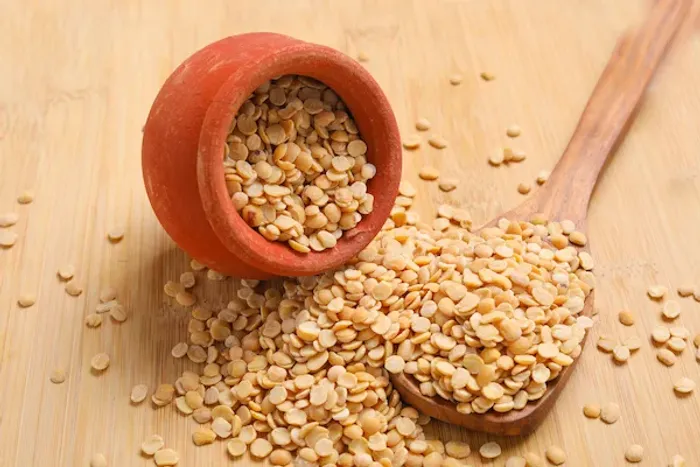
Toor dal — also called arhar dal or pigeon pea — is a staple in Indian kitchens and a favourite in Ayurvedic cooking. If you’re curious about toor dal benefits, how to use this protein food wisely, and what Ayurveda says about Ayurvedic lentils, you’re in the right place. This article explains the nutrition and health advantages of toor dal, how to prepare it for better digestion, and who should be careful when consuming it.
What Is Toor Dal (Pigeon Pea)?
Toor dal comes from the legume Cajanus cajan and is commonly split and hulled to cook quickly into a creamy, flavorful dal. It’s widely used in dishes like sambar, dal tadka, and regional stews across South Asia and beyond. Like other legumes, toor dal provides plant-based protein, dietary fiber, and a range of vitamins and minerals that support everyday health.
Toor Dal Benefits: Why This Ayurvedic Lentil Belongs in Your Kitchen
Here are the benefits of toor dal:
1) A Satisfying Plant-Based Protein Food
Toor dal is rich in plant protein, which helps maintain and repair body tissues while supporting satiety — the feeling of fullness after meals. Legumes provide protein with minimal saturated fat, making them a heart-friendlier choice than many animal proteins. Toor dal is also naturally low in cholesterol and contains beneficial plant compounds that promote wellness.
2) Heart and Metabolic Health Support
Dietary fibre in legumes can help reduce LDL (“bad”) cholesterol when eaten as part of a balanced diet. Pulses such as beans, lentils, and peas have a low glycemic index and may help keep blood sugar levels steadier compared with refined carbohydrates. Replacing refined grains or ultra-processed foods with legumes can support healthy blood pressure, lipid levels, and weight management over time.
3) Digestive and Gut Health
The fibre in toor dal nourishes beneficial gut bacteria and promotes regular bowel movements. A fibre-rich diet is associated with lower risk of constipation and several chronic diseases. If you’re new to eating legumes, increase your portions gradually and drink plenty of water to help your gut adjust comfortably.
4) Everyday Nutrients
Toor dal contributes several important nutrients common to legumes:
- Folate: Essential for cell growth and especially important during pregnancy.
- Iron: Supports red blood cell production. Pair with vitamin C sources like lemon, tomatoes, or bell peppers to enhance absorption.
- Potassium and magnesium: Support nerve and muscle function and overall cardiovascular health.
- Polyphenols and plant compounds: Offer antioxidant benefits that contribute to the legume’s health profile.
5) Weight-Friendly and Budget-Friendly
Legumes help you feel full on fewer calories because of their protein and fibre combination. Toor dal is shelf-stable, affordable, and versatile, making healthy eating easier and more economical.
Health Carousel:
Doctor: general Physician
Text: Consult Top Specialists
Ayurvedic Uses and Cooking Tips for Ayurvedic Lentils
In Ayurveda, legumes are considered nourishing — they build strength and support tissue development — but can be harder to digest if not prepared thoughtfully. Traditional Ayurvedic kitchens use specific methods and spices to make dals gentler on the stomach. While these practices are traditional rather than strictly evidence-based, many people find them effective and comforting.
- Soak and rinse: Soak toor dal for 30–60 minutes (or longer if desired) and rinse well before cooking to reduce compounds that cause gas and to improve texture.
- Cook thoroughly: Use a pressure cooker or simmer until the dal is very soft and easy to digest.
- Add digestive spices: Cumin, ginger, turmeric, coriander, and a pinch of asafoetida (hing) are commonly used to aid digestion and reduce bloating.
- Add a little ghee or healthy oil: A small amount of fat enhances flavor and helps absorb fat-soluble compounds in spices.
- Combine with grains: Pair dal with rice, millet, quinoa, or whole wheat to create a balanced amino acid profile and a complete meal.
In many Ayurvedic traditions, mung dal is considered the lightest and easiest to digest. Some people find toor dal slightly heavier, so thorough cooking and the use of digestive spices are emphasised. Always listen to your body and consult a qualified clinician for personalised guidance.
How to Enjoy Toor Dal for Maximum Benefits?
Simple, evidence-based kitchen strategies can make your dal more nutritious and easier to digest:
- Soak, rinse, and cook thoroughly to improve digestibility.
- Start with small portions (¼–½ cup cooked) and increase gradually.
- Season with herbs and spices instead of excess salt; check sodium if using packaged masalas.
- Pair with vitamin C foods such as lemon or tomato-based dishes to improve iron absorption.
- Combine with grains and vegetables to create a balanced, satisfying meal.
- Try sprouting (optional) to reduce certain antinutrients and slightly improve mineral absorption; always cook sprouts well for food safety.
Popular, Balanced Meal Ideas
Here are some balanced meal ideas:
- Classic dal-rice bowl: Toor dal tadka over brown rice with sautéed greens and cucumber salad.
- Sambar with vegetables: Toor dal-based sambar loaded with carrots, pumpkin, drumstick, tomatoes, and eggplant; serve with idli, dosa, or millet.
- Dal and whole-grain roti: A cup of dal with whole-wheat chapati and a mixed vegetable stir-fry.
- One-pot dal soup: Toor dal simmered with tomatoes, spinach, cumin, garlic, and a squeeze of lemon.
Possible Side Effects and Who Should Be Careful
Most people can enjoy toor dal regularly as part of a balanced diet. However, some may need to be cautious:
- Gas and bloating: Legumes contain fermentable carbohydrates that can cause gas. Soak and rinse before cooking, cook until very soft, and start with small portions. Digestive spices like ginger, cumin, and asafoetida can help.
- Food allergies: Though rare, legume allergies can occur. Those with known peanut or soy allergies should consult a healthcare provider before trying new legumes.
- Kidney disease: Individuals with chronic kidney disease may need to monitor protein, potassium, and phosphorus intake. Follow your clinician’s specific recommendations.
- Sodium: Home-cooked dal is naturally low in sodium, but packaged or restaurant versions can be high. Check labels and season to taste at home.
- Digestive conditions: If legumes worsen gastrointestinal symptoms, seek guidance from a dietitian or healthcare professional to tailor portion sizes, preparation methods, or alternatives.
Health Carousel:
Doctor: general Physician
Text: Consult Top Specialists
Conclusion
Toor dal is more than a culinary staple — it’s a nutrient-rich, budget-friendly, and versatile food with deep roots in both Ayurveda and modern nutrition. When prepared thoughtfully with traditional digestive spices and balanced with grains and vegetables, it can support heart health, gut wellness, and sustained energy. With the right preparation and moderation, this Ayurvedic lentil easily earns a permanent place in your healthy kitchen routine.
Consult Top Specialists

Dr. Tripti Deb
Cardiologist
40 Years • MBBS, MD, DM, FACC, FESC
Hyderabad
Apollo Hospitals Jubilee Hills, Hyderabad

Dr Suseela
General Physician
5 Years • MBBS
Bengaluru
Apollo Medical Center, Marathahalli, Bengaluru


Dr. D Bhanu Prakash
General Practitioner
10 Years • MBBS, AFIH, Advanced certificate in critical care medicine, Fellowship in critical care medicine
Hyderabad
Apollo 24|7 Clinic, Hyderabad

Dr D M Karthik
General Practitioner
4 Years • MBBS, Fellowship in Diabetes Mellitus, Advance certificate in Diabetes Mellitus, Derma Nutrition Certification
Visakhapatnam
Apollo 24|7 Clinic - Andhra Pradesh, Visakhapatnam

Dr. Ajay K Sinha
General Physician/ Internal Medicine Specialist
30 Years • MD, Internal Medicine
Delhi
Apollo Hospitals Indraprastha, Delhi

(225+ Patients)
More articles from General Medical Consultation




Frequently Asked Questions
Is toor dal a good protein food?
Yes. Like other legumes, toor dal provides plant-based protein with fiber and minimal saturated fat. It’s a budget-friendly way to support daily protein needs, especially in vegetarian and vegan diets.
Can people with diabetes eat toor dal?
Generally, yes. Legumes are low on the glycemic index and can help support steadier blood sugar compared with refined carbohydrates. Pairing toor dal with non-starchy vegetables and whole grains can further support balanced meals. If you take diabetes medications, coordinate dietary changes with your clinician.
Is toor dal good for weight loss?
Toor dal is filling because it combines protein and fibre, which may help with appetite control when included in a calorie-appropriate eating plan. Long-term weight management depends on your overall diet, physical activity, sleep, and other lifestyle factors.
Does toor dal cause gas? How can I reduce it?
Some people experience gas with legumes. Soak and rinse the dal, cook it until very soft (pressure cooking helps), start with smaller portions, and use spices like cumin, ginger, and a pinch of asafoetida. Over time, many people find their digestion adapts.
Which is better: toor dal or moong dal?
Both are nutritious ayurvedic lentils. Many people find moong dal a bit easier to digest, while toor dal adds a richer, slightly nutty taste. Choose based on your preferences, how you feel after eating them, and the dish you’re making. Variety is a great strategy for balanced nutrition.