Uterine Prolapse Overview and Treatment Options
Discover the causes, symptoms, diagnosis, and treatment options for uterine prolapse. Learn how to manage the condition with lifestyle changes, non-surgical methods, or surgery.

Written by Dr. Shaik Abdul Kalam
Reviewed by Dr. Mohammed Kamran MBBS, FIDM
Last updated on 13th Jan, 2026
Introduction
Dealing with health concerns can be overwhelming, especially when it involves something as personal as uterine prolapse. If you or a loved one is experiencing this condition, know that you’re not alone; many women face it, and effective treatments are available. This article will help you understand uterine prolapse, its symptoms, causes, and the best ways to manage or treat it.
What Is Uterine Prolapse?
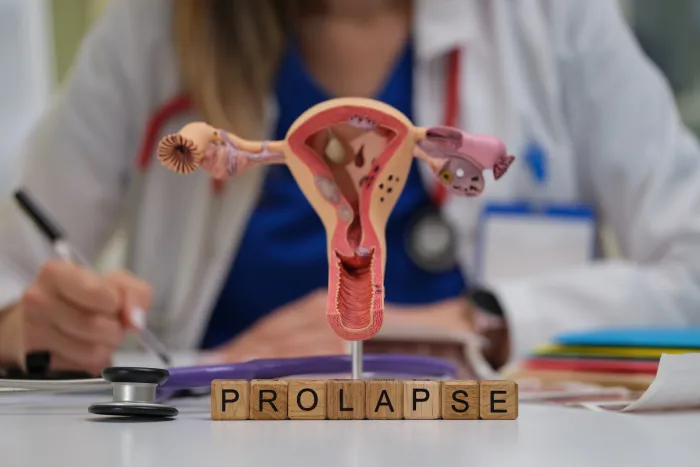
Uterine prolapse occurs when the uterus (womb) slips down from its normal position into the vaginal canal due to weakened pelvic muscles and ligaments. In severe cases, the uterus may even protrude outside the vagina. While this condition is not life-threatening, it can cause discomfort and affect daily life.
Who Is at Risk?
Uterine prolapse is more common in women who:
Have had multiple vaginal deliveries
Are going through or have completed menopause (due to lower estrogen levels)
Have a history of chronic coughing (e.g., from asthma or smoking)
Are overweight or obese
Have a family history of pelvic floor disorders
Engage in heavy lifting or strenuous physical activity
Symptoms of Uterine Prolapse
The symptoms vary depending on the severity of the prolapse. Some women may not notice any symptoms, while others may experience:
A feeling of heaviness or pulling in the pelvis
Tissue bulging out of the vagina
Difficulty with urination or bowel movements
Lower back pain
Pain during intercourse
Frequent urinary tract infections (UTIs)
If you notice any of these symptoms, it’s important to consult a doctor for proper evaluation.
How Is Uterine Prolapse Diagnosed?
A doctor can diagnose uterine prolapse through:
1. Pelvic Exam – The doctor checks for any bulging in the vaginal walls.
2. Imaging Tests – Ultrasound or MRI may be used in some cases.
3. Urodynamic Testing – If bladder function is affected.
If you suspect uterine prolapse, you can book a consultation with a gynecologist through Apollo 24|7 for expert advice and diagnosis.
Treatment Options for Uterine Prolapse
The treatment depends on the severity of the condition and the patient’s overall health. Options include:
1. Non-Surgical Treatments
Pelvic Floor Exercises (Kegels) – Strengthening pelvic muscles can help support the uterus.
Pessary – A removable device inserted into the vagina to hold the uterus in place.
Lifestyle Changes – Losing weight, avoiding heavy lifting, and managing chronic cough can help.
Hormone Therapy (Estrogen Creams) – Helps strengthen vaginal tissues in postmenopausal women.
2. Surgical Treatments
If the prolapse is severe, surgery may be recommended. Common procedures include:
Hysterectomy – Removal of the uterus (if future pregnancies are not desired).
Pelvic Floor Repair – Strengthening the ligaments and tissues that support the uterus.
Uterine Suspension – Repositioning the uterus without removing it.
Your doctor will help determine the best option based on your age, health, and whether you plan to have children in the future.
Consult Top Obstetrician and Gynaecologist
Prevention and Self-Care Tips
While not all cases can be prevented, these steps can reduce the risk:
Perform Kegel exercises regularly to strengthen pelvic muscles.
Maintain a healthy weight to reduce pressure on pelvic organs.
Avoid heavy lifting or use proper techniques if necessary.
Treat chronic cough or constipation, as they strain pelvic muscles.
Stay active with low-impact exercises like walking or yoga.
When to See a Doctor?
If you experience:
Persistent discomfort or pain in the pelvic area
Difficulty emptying your bladder or bowels
A visible bulge in the vagina
Pain during intercourse
Don’t hesitate to seek medical help. Early intervention can prevent complications.
Final Thoughts
Uterine prolapse can be distressing, but with the right treatment and lifestyle adjustments, most women can manage it effectively. If you suspect you have this condition, consult a specialist for personalized care.
For expert advice and treatment options, you can book a consultation with a gynecologist on Apollo 24|7; because your health and comfort matter.
Consult Top Obstetrician and Gynaecologist

Dr Arpita
Obstetrician and Gynaecologist
6 Years • MS OBG
Bengaluru
Apollo Medical Center, Marathahalli, Bengaluru

Dr. Barsha Subhadarshine
Obstetrician and Gynaecologist
5 Years • MBBS,MS (Obst. & Gynae.)
Kolkata
VDC Clinic, Kolkata

Dr. Humeena Taj C K
Obstetrician and Gynaecologist
11 Years • MBBS, DGO, DNB OBG
Bengaluru
Apollo Medical Center, Marathahalli, Bengaluru

Dr. Sourabha S Shetty
Obstetrician and Gynaecologist
7 Years • MBBS, M.S (OBST & GYNAE ), DNB (OBST & GYNAE ) ,MRCOG (UK)
Bengaluru
Apollo Medical Center, Marathahalli, Bengaluru

Dr. Srinka Mukherjee
Obstetrician and Gynaecologist
7 Years • MBBS, MS Obstetrics & Gynaecology
Kolkata
VDC Clinic, Kolkata