


What Leads To Signs Of Lymphatic Filariasis Disease
Learn what leads to the signs of lymphatic filariasis disease, including how infection starts, why symptoms appear, and how to prevent and manage lymphedema, elephantiasis, and hydrocele effectively.

Written by Dr. Siri Nallapu
Reviewed by Dr. J T Hema Pratima MBBS, Fellowship in Diabetes Mellitus
Last updated on 13th Jan, 2026
Introduction
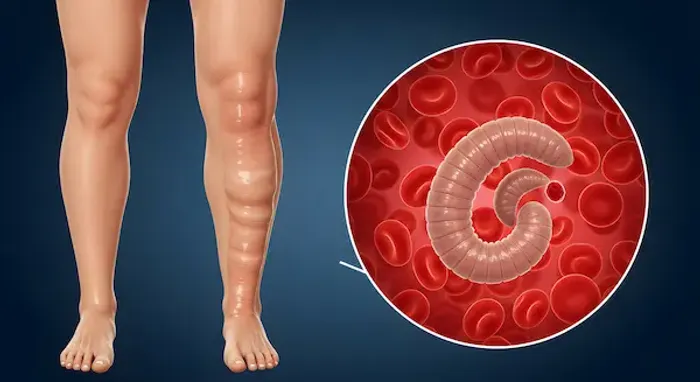
Lymphatic filariasis is a mosquito-borne disease that can quietly damage the body’s lymphatic system for years before the signs become hard to ignore. Most infections start without symptoms, but over time, the filariasis parasites can trigger swelling of the legs and arms (lymphedema), thickened skin (elephantiasis), and in men, swelling of the scrotum (hydrocele). What leads to these signs is a mix of repeated mosquito exposure, the parasites’ life cycle within the lymphatic vessels, and the body’s inflammatory response—often made worse by everyday skin infections.
In this guide, we’ll explain how the disease develops, why some people progress while others do not, and the early warning signals to watch for. We’ll also cover diagnosis, treatment, practical self-care, and community-level prevention strategies that really work. Whether you live in or travel to an endemic area or simply want to understand this neglected tropical disease, you’ll find clear, evidence-based answers here. If symptoms persist or worsen—especially swelling, redness, or fever—consult a doctor for evaluation; if you’re in India, you can connect with Apollo24|7 for online guidance and timely follow-up.
Understanding Lymphatic Filariasis: The Basics
Lymphatic filariasis is a neglected tropical disease caused primarily by the worm Wuchereria bancrofti, and less often by Brugia malayi and Brugia timori. Transmitted by mosquitoes, these parasites live in the human lymphatic system—the network of vessels and nodes that maintain fluid balance and support immune function. Over time, infection can lead to chronic lymphatic dysfunction. While many people remain asymptomatic for years, the disease can eventually present as lymphedema, elephantiasis, or hydrocele, causing disability and social stigma.
Globally, hundreds of millions of people live in areas where lymphatic filariasis is transmitted, with the highest burden
in parts of South and Southeast Asia, sub-Saharan Africa, and the Pacific. The World Health Organisation coordinates the Global Programme to Eliminate Lymphatic Filariasis (GPELF), which uses mass drug administration (MDA) and morbidity management to reduce transmission and improve patients’ quality of life.
What makes this disease unique is the gap between infection and symptoms: parasites can survive for years, while the lymphatic system sustains silent damage. Key terms you may hear include microfilariae (the larval stage circulating in blood), adult worms (residing in lymphatics), and acute dermatolymphangioadenitis (ADLA), a painful inflammatory episode that often heralds worsening lymphatic flow. Preventing repeated mosquito exposure and managing skin health can be as important as medication in preventing disease progression.
How Infection Starts: Mosquito Transmission and Life Cycle
Mosquitoes are the silent couriers of lymphatic filariasis. When a mosquito bites someone carrying microfilariae in their blood, the larvae enter the mosquito, mature to the infective L3 stage, and migrate to the mosquito’s proboscis. During a later bite, these larvae penetrate human skin and find their way into lymphatic vessels. Over months, they mature into adult worms that can live for years, releasing new microfilariae that circulate in the bloodstream—often with nocturnal peaks that match the biting habits of local mosquito species.
Vectors differ by region: Culex mosquitoes thrive in urban and semi-urban environments, particularly where drainage is poor; Anopheles (also malaria vectors) often dominate in rural settings; Aedes can play a role in certain geographies. This is why the disease is linked with environmental conditions such as standing water, poor sanitation, and housing that allows mosquito entry. Repeated bites over time increase the risk of acquiring enough parasites to establish a chronic infection—one reason why people living for years in endemic areas carry higher risk than short-term visitors.
Not everyone with infection shows signs. Some people have “endemic normal” immune profiles, meaning their bodies keep microfilariae levels very low. Others develop circulating filarial antigen positivity but no symptoms for years. Limiting mosquito bites with bed nets, repellents, and housing improvements, especially at night, reduces the odds of cumulative exposure. Incorporating long-lasting insecticidal nets and community vector control provides added protection across households and neighbourhoods.
From Infection to Signs: What Leads to Symptoms
What turns a quiet infection into visible signs of lymphatic disease? Two forces interact: the physical presence of adult worms in lymphatic vessels and the body’s immune response to worm antigens and to Wolbachia, the bacteria living inside many filarial worms. Adult worms lodge in lymphatics, impeding fluid flow. The immune system reacts with inflammation, causing vessel dilation and scarring, which further weakens lymphatic pumping. Over time, this leads to
fluid buildup—lymphedema—and skin and tissue changes characteristic of elephantiasis.
Many people remain asymptomatic for years even when tests show circulating filarial antigen. This “silent phase” can still involve lymphatic dilation detectable by ultrasound and microvascular changes that increase susceptibility to bacterial skin infections. When worms die or are stressed, Wolbachia components can trigger inflammation. That’s why doxycycline, which targets Wolbachia, has been shown to reduce worm fertility and improve lymphedema outcomes.
Another key factor is secondary bacterial or fungal infection. Small skin cracks, especially between toes, allow bacteria to enter, causing ADLA—fever, pain, and sudden worsening swelling. Each ADLA episode can damage lymphatics further, creating a cycle of recurrent inflammation and progressive lymphedema. Meticulous skin care and prompt treatment of minor infections can sometimes do as much as antiparasitic drugs to prevent progression.
Early Warning Signals: Acute Filarial Episodes
Acute dermatolymphangioadenitis (ADLA) is often the first obvious sign something is wrong. Suddenly, a limb becomes hot, red, and tender; fever and malaise are common. Lymph nodes may be painful. These episodes are usually triggered by skin bacteria entering through tiny breaks and travelling into already compromised lymphatics. Acute filarial lymphangitis, another acute presentation, can produce painful lymphatic cord-like structures and tracks of inflammation.
What to do during an acute attack:
- Rest, elevate the affected limb, and apply cool compresses.
- Treat fever and pain (for example, with paracetamol).
- Seek medical evaluation to assess for bacterial cellulitis, which may require antibiotics.
- Address portals of entry: treat fungal infections, trim nails carefully, moisturise dry skin, and avoid tight footwear.
Repeated ADLA episodes worsen lymphatic damage. Evidence from community programmes in Africa and Asia shows that simple home-based regimens—daily skin cleansing, careful drying, emollients, antifungal treatment if needed, and prompt care for wounds—can significantly reduce ADLA frequency and improve quality of life.
If an acute episode is severe, accompanied by high fever or rapidly spreading redness, or if swelling worsens despite home care, seek medical care promptly.
Chronic Complications: Lymphedema, Elephantiasis, and Hydrocele
Chronic lymphatic filariasis unfolds over years, driven by persistent lymphatic injury and recurrent infections.
Lymphedema often starts as pitting swelling at the end of the day and may progress to non-pitting, fibrotic swelling with skin thickening, nodules, and papillomatosis. Elephantiasis refers to advanced skin changes and massive limb enlargement. In men, hydrocele (fluid accumulation around the testes) is common; it can become large enough to cause pain, difficulty walking, and social isolation. Women may experience breast or genital lymphedema.
Ongoing immune-mediated damage from adult worms, tissue fibrosis, and recurrent ADLA episodes all contribute. Secondary bacterial and fungal infections are more likely when skin is swollen and thickened. Managing these complications includes regular hygiene, limb elevation, gentle exercise, and proper footwear. For hydrocele, surgical repair (hydrocelectomy) is often curative. Doxycycline therapy targeting Wolbachia can help select patients, improving lymphedema grades and reducing inflammation, although it’s not a substitute for hygiene-based care.
Consult Top Specialists Here
Who Is at Higher Risk?
Risk arises from a blend of environmental, behavioural, and social factors:
- Environmental: Standing water, poor drainage, and warm, humid climates support mosquito breeding.
- Behavioural/occupational: Outdoor evening work, lack of bed net use, and housing that allows mosquitoes to enter increase exposure.
- Household/community: If family or neighbours carry microfilariae, local mosquitoes become more infectious.
- Social determinants: Poverty, poor sanitation, and limited healthcare access sustain transmission and complications.
Short-term travellers typically have low risk, but long-term residents or migrants in endemic areas face cumulative exposure. Pregnancy, co-infections, and malnutrition can influence immune responses, though the strongest driver remains repeated mosquito bites over time. Integrating personal protection with public health measures gives communities the best chance of prevention.
Getting a Diagnosis: Tests and Clinical Evaluation
Clinicians use a combination of history, examination, and tests:
- Antigen detection tests: Rapid tests for circulating filarial antigen are commonly used and can be performed any time of day.
- Blood smear microscopy: Detects microfilariae, often best at night.
- Ultrasound: In some cases, clinicians can visualise the “filarial dance sign” in dilated lymphatic vessels.
- Additional tests: Blood counts may show eosinophilia; imaging can assess chronic changes.
When to see a doctor: If you have recurrent limb swelling, redness with fever, or scrotal swelling, seek evaluation. In India, Apollo24|7 offers online consultations for testing and treatment.
Testing strategy depends on goals. For individual diagnosis, antigen tests and ultrasound are helpful. For public health mapping, night blood surveys or antigen testing help identify transmission hotspots. People with chronic lymphedema may test negative for microfilariae but still need care; the absence of microfilariae does not rule out lymphatic damage from past infection.
Treatment and Care: What Works and Why
Antifilarial treatment aims to reduce microfilariae and, depending on the regimen, affect adult worms:
- Diethylcarbamazine (DEC): Effective against microfilariae and some adult worms; used in many countries outside sub-
Saharan Africa. Often given annually with albendazole in MDA. - Ivermectin: Strongly microfilaricidal; used with albendazole in areas co-endemic with onchocerciasis.
- Albendazole: Broad-spectrum antiparasitic; combined with DEC or ivermectin in MDA.
- Triple therapy (ivermectin + DEC + albendazole, IDA): In some settings, a single round has shown rapid reductions in microfilaremia.
- Doxycycline: Targets Wolbachia, improving lymphedema and potentially sterilising adult worms. Not used in pregnancy or children.
Morbidity management is equally crucial: daily washing, drying, moisturising, antifungal treatment, limb elevation, exercise, and hydrocele surgery when needed.
Prevention and Public Health: Avoiding Mosquito Bites and Beyond
Personal protection and public health programmes work together:
- Sleep under insecticidal nets, use repellents, wear long clothing.
- Drain standing water and improve sanitation.
- Annual community-wide treatment with DEC+albendazole or ivermectin+albendazole reduces microfilariae in the population.
- Integrated vector control—nets, spraying, and larval management—supports MDA.
Many countries have made significant progress, but sustained coverage and community engagement remain key.
Living Well with Lymphatic Filariasis
Daily routines can prevent setbacks:
- Wash and dry limbs well, use emollients, and treat fungal infections promptly.
- Elevate swollen limbs and do simple exercises.
- Wear well-fitting footwear and treat cuts immediately.
- Seek support groups and involve family to reduce stigma.
Community-based lymphedema clubs have shown fewer ADLA episodes and improved quality of life through peer support, supplies, and education.
Conclusion
The signs of lymphatic filariasis disease don’t appear overnight. They emerge from years of repeated mosquito exposure, adult worms slowly injuring the lymphatic system, and the body’s inflammatory responses—often amplified by preventable skin infections. Understanding this path from infection to symptoms empowers you to act early: limit
mosquito bites, care for skin and nails, and treat acute episodes quickly to avoid further damage.
Diagnosis and treatment are available and effective—from antifilarial medicines to doxycycline and simple, proven lymphedema routines. Communities, too, play a key role: mass drug administration, vector control, and local support continue to reduce the burden worldwide.
If you live in or travel to an endemic area and notice swelling, warmth, redness, or fever, don’t wait. A timely consultation can prevent complications and set you on a path to recovery.
Consult Top Specialists Here
Consult Top Specialists Here

Dr Venkata Naga Sai Tribhushan Rambhatla
General Physician
3 Years • MBBS
Bengaluru
PRESTIGE SHANTHINIKETAN - SOCIETY CLINIC, Bengaluru

Dr. Renu Saraogi
General Physician/ Internal Medicine Specialist
21 Years • MBBS, PGDFM
Bangalore
Apollo Clinic Bellandur, Bangalore

(275+ Patients)

Dr. Zulkarnain
General Physician
2 Years • MBBS, PGDM, FFM
Bengaluru
PRESTIGE SHANTHINIKETAN - SOCIETY CLINIC, Bengaluru

Dr. Johnson. S
General Practitioner
7 Years • MBBS MD(Preventive and social Medicine)
Pune
Apollo Clinic, Nigdi, Pune

Dr Darshana R
General Physician/ Internal Medicine Specialist
15 Years • MBBS, MD, DNB (Internal Medicine), Diploma in Allergy, Asthma and Immunology , Fellowship in Diabetes
Bengaluru
Apollo Clinic, JP nagar, Bengaluru
(125+ Patients)
Consult Top Specialists Here
Dr Venkata Naga Sai Tribhushan Rambhatla
General Physician
3 Years • MBBS
Bengaluru
PRESTIGE SHANTHINIKETAN - SOCIETY CLINIC, Bengaluru
Dr. Renu Saraogi
General Physician/ Internal Medicine Specialist
21 Years • MBBS, PGDFM
Bangalore
Apollo Clinic Bellandur, Bangalore
(275+ Patients)
Dr. Zulkarnain
General Physician
2 Years • MBBS, PGDM, FFM
Bengaluru
PRESTIGE SHANTHINIKETAN - SOCIETY CLINIC, Bengaluru
Dr. Johnson. S
General Practitioner
7 Years • MBBS MD(Preventive and social Medicine)
Pune
Apollo Clinic, Nigdi, Pune
Dr Darshana R
General Physician/ Internal Medicine Specialist
15 Years • MBBS, MD, DNB (Internal Medicine), Diploma in Allergy, Asthma and Immunology , Fellowship in Diabetes
Bengaluru
Apollo Clinic, JP nagar, Bengaluru
(125+ Patients)
More articles from General Medical Consultation
.webp)



Frequently Asked Questions
1) Can lymphatic filariasis go away on its own?
The infection won’t reliably clear without treatment. While some symptoms may fluctuate, antifilarial medicines and lymphedema self-care are needed to prevent progression.
2) What is the best test to diagnose filariasis?
Rapid antigen tests are widely used for Wuchereria bancrofti; night blood smears and ultrasound may also help.
3) How is elephantiasis treated?
Elephantiasis is managed with daily skin care, limb elevation, exercise, and prompt treatment of infections. Hydrocele often requires surgery.
4) Is filariasis contagious from person to person?
No. It spreads via mosquito bites, not direct contact. Reducing mosquito exposure and participating in mass drug administration programmes lowers risk.
5) What should I do during an ADLA (acute attack)?
Rest and elevate the limb, use cool compresses, treat fever or pain, and seek medical advice to assess for cellulitis.