


What to Eat & Drink During Gastroenteritis
Practical Gastroenteritis diet and Hydration for flu tips: what to drink, safe Stomach flu food, and when to seek care, evidence-based and easy to follow.

Introduction
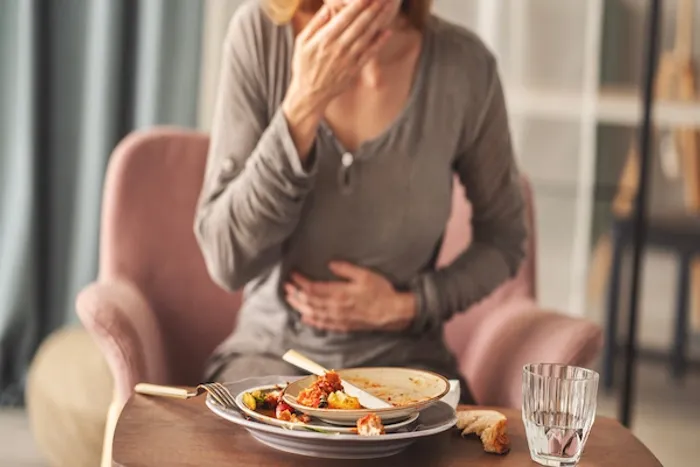
Gastroenteritis, often referred to as the stomach flu, can cause nausea, vomiting, diarrhoea, abdominal cramps, and significant fatigue. Although many cases resolve on their own, how you manage food and fluid intake plays a major role in easing symptoms and speeding recovery. A thoughtful gastroenteritis diet, careful choices of stomach flu food, and dedicated hydration for flu can help stabilise your digestive system and replace essential fluids and electrolytes. This guide explains, in clear steps, what you should drink, what foods to start with, what to avoid, and when symptoms signal the need to seek medical help.
Consult a Top General Practitioner for Personalised Advice
What to Do First?
- Pause solid food if you are actively vomiting; allow your stomach to rest for 15 to 20 minutes.
- Start with small, frequent sips of fluid. Oral rehydration solution (ORS) is ideal. If this is not available, try water, clear broth, or ice chips.
- Slowly reintroduce simple foods once vomiting eases and fluids stay down.
- Rest as much as possible, wash your hands frequently, and avoid cooking for others until at least 48 hours after your symptoms have resolved.
Hydration for Flu: The Best Drinks to Rehydrate Safely
The best drinks to rehydrate safely are:
Why Fluids Matter
- Vomiting and diarrhoea lead to rapid fluid loss. Without timely replacement, dehydration can develop quickly, causing dizziness, weakness, and in severe cases, confusion or rapid heart rate.
- Fluids containing both electrolytes and glucose help the intestines absorb water more efficiently than plain water alone, making them essential during gastroenteritis.
Best Options
- Oral rehydration solution (ORS): This is the gold standard and includes solutions like WHO ORS packets, pharmacy electrolyte solutions, or products such as Pedialyte. These contain an optimal ratio of salts and glucose to support rapid absorption and restore electrolyte balance.
- Clear liquids when ORS is unavailable: Water, ice chips, diluted fruit juice, weak herbal tea without caffeine, or clear broth. If using juice, dilute to half strength to prevent worsening diarrhoea.
- Breast milk and formula: Continue usual feeding routines for infants and young children.
- Supplement with ORS between feeds only if recommended. Avoid giving plain water to infants, as this can be unsafe.
How to Drink When Nauseated?
- Take very small sips of around one to two teaspoons every five to ten minutes.
- Choose cold liquids or ice chips if warm drinks feel unappealing.
- If vomiting occurs, pause for 15 to 20 minutes, then restart with tiny sips.
How Much to Drink?
- Adults and teens: Sip fluids consistently throughout the day. Aim for pale yellow urine. After each episode of loose stool, drink about 200 to 250 ml of ORS or another suitable fluid.
- Children: Offer small sips frequently.
- Under 2 years: 50 to 100 ml after each loose stool
- Ages 2 to 10: 100 to 200 ml after each loose stool
- Older children: As much as they can tolerate in small, frequent amounts
Drinks to Skip at First
- Alcohol and caffeinated drinks such as coffee, strong tea, and energy drinks
- Full-strength fruit juice or fizzy drinks, as the high sugar content can worsen diarrhoea
- Sports drinks for young children are not suitable because their electrolyte balance is not suitable for gastrointestinal fluid loss. Adults may use diluted sports drinks briefly if ORS is unavailable, but ORS remains the superior choice.
Optional: If You Cannot access ORS
- Home-made ORS is sometimes used in emergencies, but the ratio of salt and sugar must be precise to ensure safety. Errors can be dangerous, so commercial ORS packets or premixed solutions are strongly preferred. If a home recipe must be used, follow a reliable health guideline exactly and measure carefully.
Stomach Flu Food: What to & Not to Eat
Do’s & Dont’s of stomach flu
When to Start Food?
- There is no need to avoid food for long periods. Once vomiting has settled and fluids stay down, gentle refeeding helps support healing, provides energy, and prevents unnecessary weakness.
Start With Bland, Easy-to-Digest Choices
- Starches and grains: Dry toast, crackers, plain rice, plain noodles, oatmeal, or plain rice cakes
- Fruits and vegetables: Bananas, applesauce, canned peaches or pears in juice, cooked carrots, potatoes, and squash
- Protein: Plain baked or poached chicken or turkey, boiled or scrambled eggs, or tofu in small portions
- Soups and broths: Clear soups with soft noodles or rice, gentle vegetable broths, or plain chicken broth
Build Up Gradually
- Begin with just a few small bites every two to three hours.
- Increase portions slowly as nausea diminishes and stools begin to firm.
- Transition to a balanced diet as soon as tolerated. While the BRAT diet can serve as a short bridge, it is not nutritionally complete and should not be followed for long.
Dairy Guidance
- Temporary lactose intolerance can occur after gastroenteritis. If milk, cheese, or ice cream cause bloating or worsen diarrhoea, reduce or pause them for a few days.
- Fermented dairy products like yoghurt with live cultures or kefir may be easier to digest and can be helpful for some people.
Foods to Limit or Avoid Early On
- Greasy, fried, or high-fat foods such as burgers, bacon, and creamy sauces
- Spicy foods or hot chillies can irritate the stomach
- High-fibre raw vegetables or large salads, which can aggravate diarrhoea
- Beans and legumes if they trigger gas or bloating
- Very sugary foods, full-strength fruit juice, or fizzy drinks
- Foods containing sugar alcohols such as sorbitol, mannitol, or xylitol
- Alcohol and caffeinated drinks until recovery is complete
Build Your Gastroenteritis Diet
This sample is meant to guide you and may be adjusted according to your appetite and tolerance.
Morning
- Rehydration: One cup of ORS or water upon waking, taken slowly
- Food: Dry toast or plain oatmeal prepared with water; add a small banana or applesauce for energy
Mid-Morning
- Rehydration: ORS or weak herbal tea
- Food: A few crackers or a small baked potato without toppings
Lunch
- Rehydration: Water or ORS
- Food: Plain chicken and rice soup or clear broth with soft noodles and cooked carrots
Afternoon
- Snack: Applesauce, canned peaches in juice, or yoghurt with live cultures if tolerated
Dinner
- Food: Baked or poached chicken or fish, plain rice or noodles, and cooked squash or carrots
- Rehydration: Water or ORS, depending on symptoms
Evening
- Snack if hungry: A slice of toast or a small bowl of plain cereal
- Continue to sip fluids until urine remains pale yellow
Optional Soothing Additions
- Ginger tea may help reduce nausea.
- Peppermint tea can soothe the stomach for some people, although those with reflux may need to avoid it.
Special Situations
Special situations for gastroenteritis include:
Infants and Young Children
- Continue breastfeeding or formula feeding normally.
- Offer ORS between feeds if signs of dehydration appear.
- Do not dilute formula unless specifically instructed by a clinician.
- Never give plain water alone to infants.
- Avoid over-the-counter anti-diarrhoeal medication unless a healthcare professional advises it.
In some circumstances, health professionals may recommend zinc supplementation for children with acute diarrhoea.
Older Adults
- More vulnerable to dehydration due to reduced thirst and underlying conditions.
- Sip fluids consistently, with preference for ORS.
- Watch for dizziness, confusion, dry mouth, reduced urination, or rapid heart rate. Seek medical help if these occur.
- People taking diuretics or managing heart or kidney disease should ask a clinician for personalised advice.
Pregnancy
- Focus on hydration using ORS and gentle foods.
- Ginger may be helpful for nausea.
- Seek medical advice promptly if unable to keep fluids down or if dehydration symptoms appear.
People With Diabetes
- Monitor blood glucose carefully, as ORS and diluted juices contain carbohydrates.
- Maintain steady hydration and follow a sick-day plan if available.
- Seek help if blood glucose remains unusually high or low.
Do Probiotics Help?
Evidence is mixed. Some probiotic strains have shown mild benefit for certain groups, especially children, but more recent research suggests that the benefits may not be consistent across all cases. If you choose to use probiotics, select reputable brands and consult a clinician, especially for children, older adults, or anyone with a weakened immune system.
Food Safety and Preventing Spread
Tips for food safety and prevention of spreading includes:
- Wash hands thoroughly with soap and water, especially after using the toilet and before eating.
- Clean and disinfect frequently touched surfaces, bathrooms, and kitchen areas. For suspected norovirus, bleach-based cleaners are recommended.
- Avoid preparing meals for others until at least 48 hours after your symptoms have resolved.
- Wash contaminated clothing or linens immediately using the hottest suitable setting.
When to Seek Medical Care?
Seek medical care if you see:
- Very dark urine or reduced urination, extreme thirst, dry mouth, dizziness, confusion, or rapid heart rate
- Blood in stools or black, tarry stools
- Persistent vomiting that prevents fluid intake (more than 4 to 6 hours in adults; sooner in children)
- High fever, especially 39°C or higher in adults, or any fever in infants under three months
- Severe abdominal pain or bloating
- Symptoms that persist for more than two to three days without improvement
- Recent travel, pregnancy, chronic health conditions, or age extremes such as infants or older adults
Conclusion
Recovering from gastroenteritis requires a careful balance of rest, hydration, and thoughtful food choices. By focusing on ORS, gentle meals, and steady fluid intake, you support your body’s natural healing process and prevent complications like dehydration. Gradually expanding your diet helps restore strength and ensures your digestion returns to normal. Caring for yourself while practising good hygiene also helps protect others from infection. With mindful management, most people recover fully within a few days and can return comfortably to their normal routines.
Consult a Top General Practitioner for Personalised Advice
Consult a Top General Practitioner for Personalised Advice

Dr. Rajib Ghose
General Physician/ Internal Medicine Specialist
25 Years • MBBS
East Midnapore
VIVEKANANDA SEBA SADAN, East Midnapore

Dr. Debajyoti Goswami
Obstetrician and Gynaecologist
10 Years • MBBS,D.G.O(DNB),Adv. Infertility Tech.(AIIMS),Fellowship in Diabetes(U.K),Comprehensive Abortion Care(Govt. Of W.B), Certificate in Clinical Embryology(AIIMS, BHUBANESWAR)
Bankura
D.G Clinic, Bankura

(25+ Patients)

Dr. Ashita Kuruvilla
General Practitioner
7 Years • MBBS
Kolkata
KVC CLINIC, Kolkata

Dr. Rubina Fatima
General Practitioner
1 Years • MBBS MD (Forensic Medicine)
Hyderabad
Dr Rubina Fatima Clinic, Hyderabad

Dr Syed Mateen Pasha
General Physician
2 Years • MBBS
Bengaluru
PRESTIGE SHANTHINIKETAN - SOCIETY CLINIC, Bengaluru
Consult a Top General Practitioner for Personalised Advice
Dr. Rajib Ghose
General Physician/ Internal Medicine Specialist
25 Years • MBBS
East Midnapore
VIVEKANANDA SEBA SADAN, East Midnapore
Dr. Debajyoti Goswami
Obstetrician and Gynaecologist
10 Years • MBBS,D.G.O(DNB),Adv. Infertility Tech.(AIIMS),Fellowship in Diabetes(U.K),Comprehensive Abortion Care(Govt. Of W.B), Certificate in Clinical Embryology(AIIMS, BHUBANESWAR)
Bankura
D.G Clinic, Bankura
(25+ Patients)
Dr. Ashita Kuruvilla
General Practitioner
7 Years • MBBS
Kolkata
KVC CLINIC, Kolkata
Dr. Rubina Fatima
General Practitioner
1 Years • MBBS MD (Forensic Medicine)
Hyderabad
Dr Rubina Fatima Clinic, Hyderabad
Dr Syed Mateen Pasha
General Physician
2 Years • MBBS
Bengaluru
PRESTIGE SHANTHINIKETAN - SOCIETY CLINIC, Bengaluru
More articles from General Medical Consultation

Frequently Asked Questions
Is the BRAT Diet the Best Choice?
BRAT foods can be useful as a temporary option because they are gentle and easy to digest. However, they lack key nutrients, so they should only be used short term. Once you tolerate them, gradually reintroduce protein, fruits, vegetables, and healthy carbohydrates.
Are Sports Drinks Okay for Rehydration?
ORS is always preferred. Sports drinks tend to have too much sugar and not enough electrolytes for diarrhoea-related dehydration. Adults may use diluted sports drinks briefly if ORS is unavailable, but children should only be given ORS.
When Can I Have Coffee and Dairy Again?
Wait until your stomach has settled and dehydration has resolved. Reintroduce coffee slowly as caffeine can irritate the gut. If dairy worsens symptoms, limit it for a few days and consider yoghurt with live cultures instead.
Should I Avoid All Solid Food Until Diarrhoea Stops?
No. Gentle solid foods can be started as soon as vomiting decreases and fluids stay down. Early feeding helps recovery. Slowly increase the variety and portion sizes as symptoms improve.
Do I Need Antibiotics for the Stomach Flu?
Most cases of gastroenteritis are viral in origin and do not require antibiotics. Focus on fluids, rest, and gentle foods. Seek medical advice if symptoms are severe or if you have risk factors.