



Wheatgrass in Ayurveda: Benefits, Uses & Side Effects
Explore wheatgrass benefits in Ayurveda: uses, side effects, Ayurveda detox facts, and whether it’s truly an immunity booster. Evidence-based tips.

Written by Dr. Md Yusuf Shareef
Reviewed by Dr. Rohinipriyanka Pondugula MBBS
Last updated on 14th Jan, 2026
Introduction
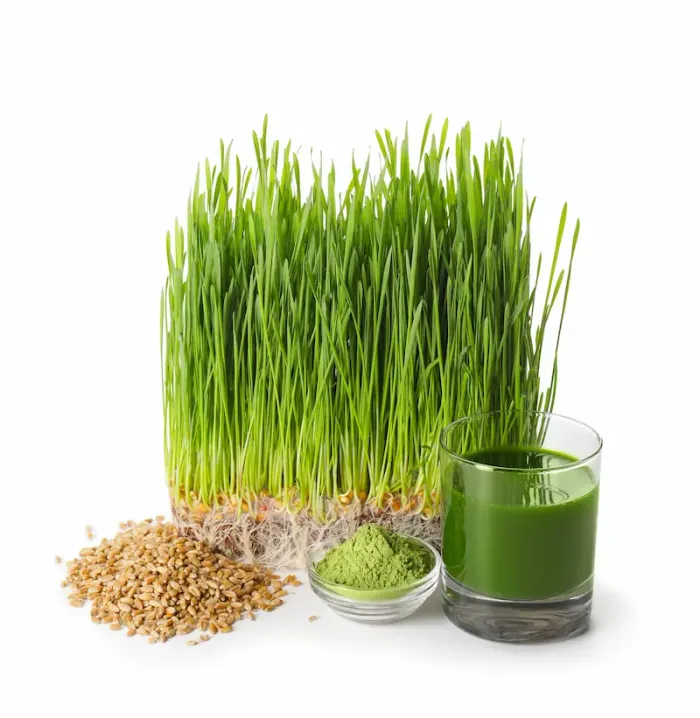
Wheatgrass, the young green shoots of the wheat plant (Triticum aestivum), is a popular wellness ingredient you’ll see in juice bars, powders, and supplements. Many people ask about wheatgrass benefits, whether it helps with Ayurveda detox, and if it can act as an immunity booster. In this guide, you’ll get a clear, research-informed look at what wheatgrass can and cannot do, how it’s used in modern Ayurvedic routines, and how to use it safely.



What is Wheatgrass?
Wheatgrass is harvested before the wheat kernel forms, which means it naturally contains no gluten (though contamination is possible during growing or processing). It’s typically consumed as:
1. Fresh juice “shots” (about 30–60 mL)
2. Powder mixed into water or smoothies
3. Tablets or capsules
Wheatgrass provides a mix of vitamins (such as A as beta-carotene, C, E, and K), minerals (like iron and magnesium), and plant compounds (including chlorophyll and flavonoids). Exact nutrient amounts vary by how it’s grown and prepared. While it’s a nutrient-dense green, it is not a cure-all, and high-quality human research on many claimed effects is still limited.
Top Wheatgrass Benefits: What Research Shows
When people search for wheatgrass benefits, they often see big promises. Here’s what current evidence suggests:
Antioxidant and Anti-inflammatory Potential (early evidence)
Lab and small human studies suggest wheatgrass contains antioxidant compounds that can help neutralise free radicals. This is promising, but not proof of disease prevention. More large, rigorous trials are needed.
Ulcerative Colitis (small clinical trial)
A small double-blind, placebo-controlled study found that daily wheatgrass juice reduced disease activity in people with active distal ulcerative colitis versus placebo. This is encouraging, but wheatgrass should be considered a complementary approach, not a replacement for standard medical treatment. Always discuss changes with your gastroenterologist.
Thalassemia (preliminary studies)
Some small studies suggest wheatgrass might reduce transfusion requirements in certain thalassemia patients. Findings are not definitive, and this is not standard care. Anyone with a blood disorder should only consider wheatgrass under medical supervision.
General Wellness
As a nutrient-rich green, wheatgrass can contribute vitamins and phytonutrients to a balanced diet. However, there’s no strong evidence that it treats or prevents chronic diseases on its own.
Bottom line: Wheatgrass can be part of a healthy eating pattern, but evidence for specific disease benefits is limited. Be cautious with big claims.
Wheatgrass in Ayurveda: How it’s Used Today
Traditional Ayurvedic texts emphasise seasonal, whole foods, fresh greens, and balance across doshas. In modern Ayurvedic-inspired wellness, wheatgrass juice is often used as a general tonic and included in routines aimed at “lightening” the diet.
Practical Ayurvedic-Style Ways to Include Wheatgrass:
1. Add a small serving (30 mL) of fresh juice in the morning alongside a balanced breakfast.
2. Blend wheatgrass powder into a fruit-and-vegetable smoothie rather than drinking it alone on an empty stomach if it upsets your stomach.
3. Pair with fibre-rich meals and plenty of water to support digestion.
Ayurveda Detox: What it Really Means Today
“Ayurveda detox” often refers to simplifying your diet, prioritising fresh, minimally processed foods, and supporting healthy routines (sleep, movement, stress care). From a medical perspective, your liver, kidneys, lungs, skin, and gut already detoxify your body continuously. No single food or juice will “flush toxins” in a medically meaningful way.
Sensible “detox” habits most people can consider:
• Eat a colourful variety of vegetables and fruits, whole grains, legumes, nuts, and seeds.
• Stay hydrated.
• Sleep 7–9 hours.
• Move your body daily.
• Avoid excess alcohol and ultra-processed foods.
• Wheatgrass can fit into this pattern as a nutrient-rich green, but it is not required, and it’s not a shortcut for detoxification.
Is Wheatgrass an Immunity Booster?
“Immunity booster” is a popular phrase, but there’s no quick fix to supercharge immunity. What you can do is support normal immune function with healthy habits:
1. Stay up-to-date on recommended vaccines.
2. Eat a balanced diet (including greens like wheatgrass if you enjoy them).
3. Sleep well, manage stress, and exercise regularly.
4. Don’t smoke; limit alcohol.
Wheatgrass may add vitamins and antioxidants, but there’s no evidence it prevents infections on its own. Think of it as one piece of an overall healthy lifestyle, not a stand-alone immunity booster.
How To Use Wheatgrass Safely?
There’s no official standard dose. Many people start with 30 mL (1 ounce) of fresh juice once daily or follow label directions for powders or capsules. Tips:
1. Start low and go slow: Some people feel nausea or stomach discomfort if they take too much, too quickly.
2. Choose reputable products: Select brands that use good manufacturing practices and, ideally, third party testing (e.g., USP, NSF, Informed Choice) to reduce contamination risks.
3. Consider food safety: Fresh, raw juices can harbour microbes if not handled properly. Immunocompromised individuals should be especially cautious with raw products.
4. Storage: Keep powders sealed and dry; refrigerate fresh juice as directed.
5. Timing: Use at a time that suits your stomach; some prefer with food.
Side effects and interactions
Most healthy adults tolerate wheatgrass in small amounts, but possible side effects include:
1. Nausea, stomach upset, diarrhoea, headache
2. Allergic reactions (especially if you have wheat allergy or grass/pollen allergies)
3. Foodborne illness risk from raw or homegrown products
Interactions and Cautions
Warfarin (Coumadin): Wheatgrass contains vitamin K, which can affect warfarin’s action. If you take warfarin, discuss consistent vitamin K intake with your clinician and do not start or stop wheatgrass without guidance.
1. Celiac disease or non-celiac gluten sensitivity: Wheatgrass itself is naturally gluten-free if harvested before the seed forms, but cross-contact with gluten can occur during growing or processing. Choose certified gluten-free products and consult your healthcare provider if you’re highly sensitive.
2. Pregnancy and breastfeeding: Safety data are limited; consider avoiding or using only with healthcare guidance.
3. Weakened immune system (e.g., from chemotherapy, HIV, transplant medicines): Raw juices/sprouts carry a higher infection risk. Ask your care team before using.
Who Should Avoid Wheatgrass?
Avoid wheatgrass when:
1. People on warfarin or other medications with narrow therapeutic windows
2. Those with celiac disease, wheat allergy, or grass/pollen allergies
3. Pregnant or breastfeeding individuals
4. Anyone immunocompromised or with a history of severe foodborne illness
5. People with chronic digestive conditions consider it a treatment (discuss with your specialist)
Practical Ways to Include Wheatgrass
If you and your clinician agree it’s appropriate, try these simple options:
1. Smoothie boost: Blend 1–2 teaspoons of wheatgrass powder with banana, spinach, yoghurt, and water.
2. Quick shot: 30 mL fresh wheatgrass juice with breakfast. If it bothers your stomach, halve the amount or take it with food.
3. Mix-in: Stir powder into a citrus juice or water with lemon to soften the grassy taste.
Dos and Don’ts Of Wheatgrass
• Do buy from reputable brands; look for third-party testing.
• Do start with small amounts to test tolerance.
• Do store properly and follow use-by dates.
• Don’t rely on wheatgrass for disease treatment.
• Don’t use raw/homegrown juice if you’re immunocompromised.
• Don’t combine with warfarin without medical guidance.
Key Takeaways
1. Wheatgrass can add nutrients to your diet, but it is not a cure-all.
2. Research shows limited, specific benefits (e.g., a small trial in ulcerative colitis), and more studies are needed.
3. For Ayurveda detox or “immunity booster” goals, focus on sustainable lifestyle habits. Wheatgrass can be a supportive add-on, not a substitute for medical care or a balanced diet.
4. Use wheatgrass safely, especially if you have allergies, take warfarin, have celiac disease, are pregnant/breastfeeding, or are immunocompromised.
More articles from General Medical Consultation



Frequently Asked Questions
1) Does wheatgrass detoxify the body?
No single food or juice detoxifies your body. Your liver, kidneys, lungs, skin, and gut do that continually. Wheatgrass can be part of a healthy diet, but it isn’t a medical detox.
2) Is wheatgrass an immunity booster?
There’s no quick “boost.” A healthy lifestyle and vaccines support normal immune function. Wheatgrass adds nutrients but hasn’t been proven to prevent infections on its own.
3) Is wheatgrass gluten-free?
Wheatgrass harvested before seeds form is naturally gluten-free, but cross-contact can occur during growing or processing. Choose certified gluten-free products if you have celiac disease or gluten sensitivity.
4) What’s a typical wheatgrass dose?
There’s no standard dose. Many people use 30–60 mL of fresh juice daily or follow label directions for powders. Start small and monitor how you feel.
5) Who should avoid wheatgrass?
Avoid or seek medical advice if you’re on warfarin, pregnant/breastfeeding, immunocompromised, have celiac disease, or have wheat/grass allergies.