


Understanding Glaucoma: Symptoms, Causes, and Treatment Options
Learn about glaucoma—the “silent thief of sight.” Discover its causes, symptoms, risk factors, diagnosis, and treatment options to protect your vision and prevent irreversible blindness.

Written by Dr. Shaik Abdul Kalam
Reviewed by Dr. J T Hema Pratima MBBS, Fellowship in Diabetes Mellitus
Last updated on 13th Jan, 2026
Introduction
Glaucoma is often called the "silent thief of sight" for a sinister reason: it can steal your vision gradually and without any early warning signs. This group of eye diseases damages the optic nerve, the vital cable that connects your eye to your brain, and is a leading cause of irreversible blindness worldwide. The scariest part? You could have glaucoma right now and not even know it. Most forms cause no pain and initially no change in vision, making routine eye exams your most powerful weapon against it. This article will demystify glaucoma, breaking down its types, symptoms, and who is most at risk. We’ll explore how it’s diagnosed, the latest treatment options to halt its progression, and the crucial steps you can take to protect your precious eyesight. Knowledge is power, and understanding glaucoma is the first step toward preventing vision loss.
What is Glaucoma? The Silent Thief of Sight
Glaucoma is not a single disease but a group of eye conditions that result in damage to the optic nerve. This nerve is responsible for carrying visual information from your eye to your brain. Think of it like a fiber-optic cable with over a million individual wires (nerve fibers). When this cable is damaged, the signal becomes weak or is lost entirely, leading to blind spots in your vision.
How Does Glaucoma Damage Your Vision?
In most cases, this damage is linked to a buildup of pressure inside the eye, known as intraocular pressure (IOP). Your eye produces a clear fluid called aqueous humor to nourish it. This fluid normally flows out through a drainage channel. In glaucoma, this drainage system doesn't work properly, causing fluid to build up and pressure to rise. This elevated pressure gradually compresses and damages the fragile fibers of the optic nerve. However, it's important to note that some people can develop optic nerve damage even with normal eye pressure, a condition known as normal-tension glaucoma.
The Main Types of Glaucoma
There are several types of glaucoma, but the two most common are primary open-angle glaucoma and angle-closure glaucoma.
Primary Open-Angle Glaucoma (POAG)
This is the most prevalent form, accounting for at least 90% of all glaucoma cases. In POAG, the drainage canals in the eye become clogged over time, like a slow-draining sink. The pressure builds up gradually, and because it's painless and the central vision remains clear until late in the disease, people often don't notice a problem until significant peripheral vision is already lost.
Angle-Closure Glaucoma (ACG)
This less common form is a medical emergency. It occurs when the iris (the colored part of the eye) bulges forward, suddenly blocking the drainage canal. This causes a rapid, dangerous rise in eye pressure. Symptoms are severe and sudden, including eye pain, headache, nausea, vomiting, and seeing halos around lights. If you experience these symptoms, seek immediate medical attention.
Normal-Tension Glaucoma and Secondary Glaucoma
In normal-tension glaucoma, optic nerve damage occurs even though eye pressure is within the normal range. The cause is not fully understood but may be related to a sensitive optic nerve or reduced blood flow. Secondary glaucoma is caused by another underlying condition, such as an eye injury, inflammation, advanced cataract, diabetes, or certain medications like steroids.
Consult an Ophthalmologist for the best advice
Are You at Risk? Key Glaucoma Risk Factors
While anyone can develop glaucoma, certain factors significantly increase your risk.
- Unavoidable Risks: Age, Ethnicity, and Family History
- Age: People over 60 are at significantly higher risk.
- Ethnicity: Individuals of African, Asian, and Hispanic descent are at increased risk. African Americans also tend to develop glaucoma at a younger age.
- Family History: Having a parent or sibling with glaucoma makes you much more likely to develop it.
Medical Conditions That Increase Your Risk
- High Intraocular Pressure (IOP): Elevated eye pressure is the biggest risk factor.
- Thin Corneas: Corneal thickness can affect the accuracy of eye pressure measurement.
- Medical Conditions: Diabetes, heart disease, high blood pressure, and sickle cell anemia are linked to higher risk.
- Severe Eye Injury: Past injuries can damage the eye’s drainage system.
- Extreme Nearsightedness or Farsightedness.
If you have one or more of these glaucoma risk factors, scheduling regular, comprehensive dilated eye exams is non-negotiable.
Recognising the Signs: Glaucoma Symptoms
The symptoms you experience depend entirely on the type and stage of glaucoma.
The Deceptive Silence of Open-Angle Glaucoma
In its early stages, open-angle glaucoma has no symptoms. No pain. No vision change. As it progresses, the first sign is typically the loss of peripheral (side) vision. However, we naturally compensate by turning our heads, so this loss often goes unnoticed until the damage is severe and the visual field has narrowed significantly—a condition known as tunnel vision.
The Acute and Painful Signs of Angle-Closure Glaucoma
This type presents with severe, unmistakable symptoms that demand emergency care:
- Sudden, severe eye pain
- Headache
- Nausea and vomiting
- Blurred vision
- Seeing halos around lights
- Eye redness
If you experience these acute glaucoma symptoms, do not wait. This is a sight-threatening emergency—seek immediate medical help.
How is Glaucoma Diagnosed?
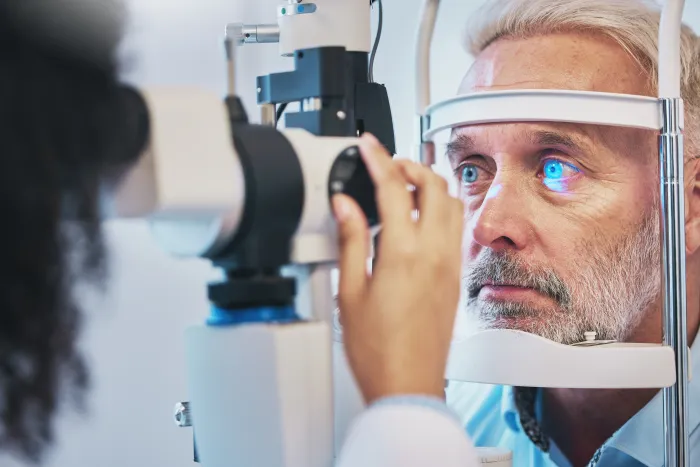
A comprehensive eye exam is the only way to detect glaucoma. It’s painless and straightforward. If you're experiencing any changes in vision, an online doctor consultation with Apollo24|7 can be a good first step to discuss your symptoms and get a referral to an ophthalmologist.
The Comprehensive Eye Exam: More Than Just a Test
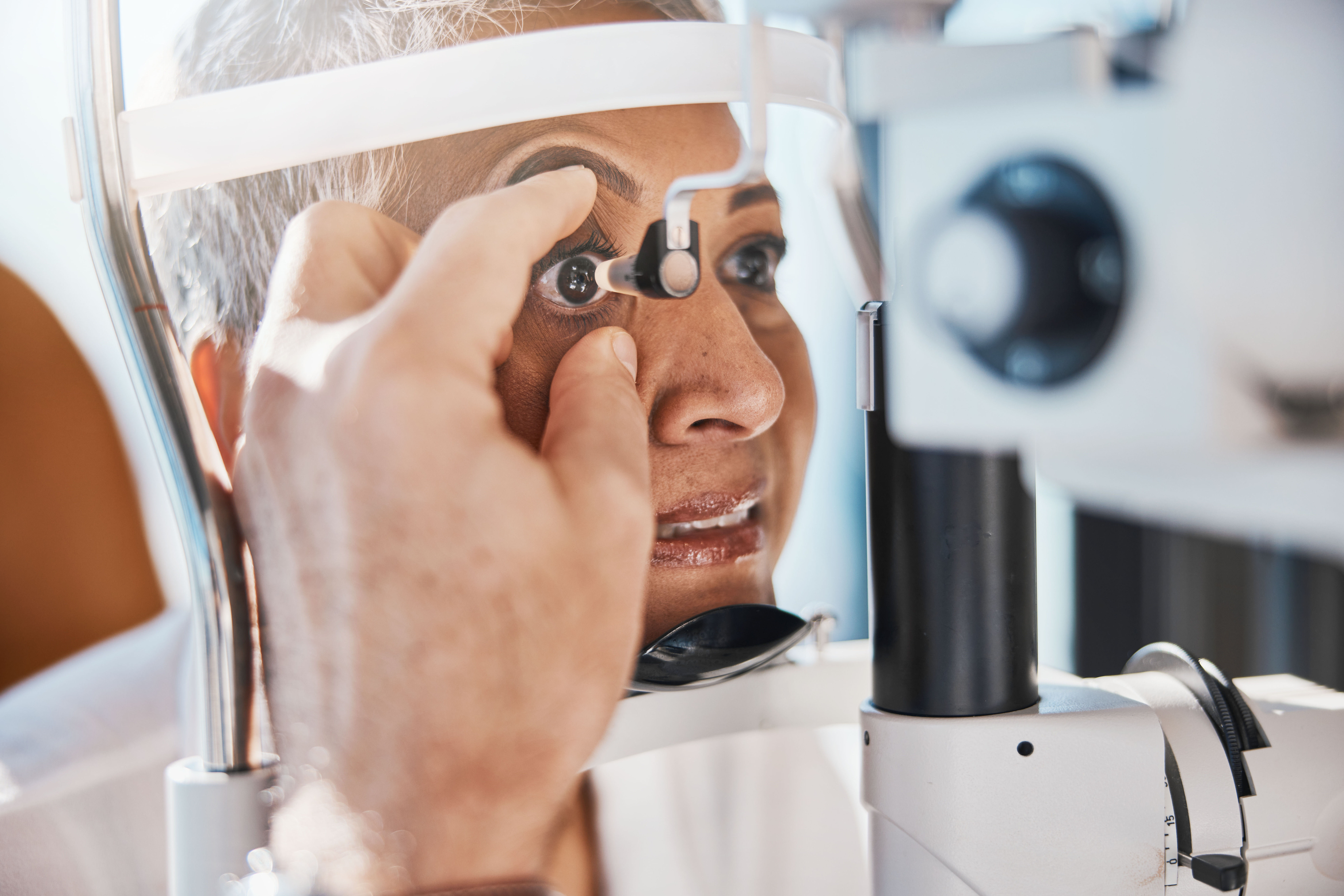
A full glaucoma check involves several procedures to examine the optic nerve, measure eye pressure, and test visual field function.
Tonometry: Measuring Inner Eye Pressure
This test measures your intraocular pressure (IOP). The doctor may use a quick puff of air onto your eye’s surface or gently touch the eye with a specialised device after numbing it with drops. The normal eye pressure range is typically between 12-22 mm Hg.
Ophthalmoscopy: Examining the Optic Nerve
After dilating your pupils with drops, your doctor will use a magnifying device to look directly at the shape and color of your optic nerve. Signs of cupping or discoloration can indicate damage.
Perimetry: Testing Your Field of Vision
This detailed test maps your complete field of vision. You'll look straight ahead and indicate when you see a light spot appear in your peripheral vision. This creates a map that helps your doctor see if you have any areas of vision loss.
Pachymetry: Measuring Corneal Thickness
A probe is used to painlessly measure the thickness of your cornea. This is a crucial reading because corneal thickness can influence eye pressure measurements. A thin cornea might mean your true IOP is higher than measured.
Glaucoma Treatment: Slowing the Progression
While vision loss from glaucoma is permanent, current treatments are highly effective at slowing or stopping further damage by lowering eye pressure. The goal of all glaucoma treatment options is to preserve your existing vision.
First Line of Defence: Prescription Eye Drops
Medicated eye drops for glaucoma are the most common initial treatment. They work either by reducing the amount of fluid your eye produces or by improving its outflow. It is critical to use these drops exactly as prescribed, every day, even if you have no symptoms.
Laser Therapy: Trabeculoplasty and Iridotomy
- Laser Trabeculoplasty: Used for open-angle glaucoma, this procedure helps fluid drain better from the eye by using a laser to open the clogged drainage channels.
- Laser Iridotomy: Used for angle-closure glaucoma, a laser creates a tiny hole in the iris to improve fluid flow and relieve pressure.
Surgical Options: Trabeculectomy and Drainage Implants - When eye drops and laser therapy are not enough, surgery may be recommended.
- Trabeculectomy: A surgeon creates a new drainage channel for the fluid to leave the eye.
- Drainage Implants: A tiny tube is inserted into the eye to help drain fluid.
- Living with Glaucoma: Management and Outlook
A glaucoma diagnosis is lifelong, but it is manageable. With consistent treatment and regular monitoring by your eye doctor, most people will not lose their sight to glaucoma. Adhering to your medication schedule and attending all follow-up appointments are the most important things you can do.
Can Glaucoma Be Prevented?
There is no surefire way to prevent glaucoma. However, you can take proactive steps to protect your sight:
- Get Regular Dilated Eye Exams: This is the #1 most important step. The American Academy of Ophthalmology recommends a baseline exam at age 40, with follow-ups as recommended by your doctor.
- Know Your Family History.
- Exercise Safely: Regular, moderate exercise may help reduce IOP.
- Protect Your Eyes: Use protective eyewear to prevent injuries during sports or home projects.
Conclusion
Understanding glaucoma is your first and most powerful defense against this silent disease. While the thought of vision loss can be frightening, modern medicine offers effective strategies to manage it and preserve your eyesight for years to come. The key lies in proactive care. Don’t wait for symptoms to appear, as they often don’t until it’s too late. If you fall into a high-risk category or are over the age of 40, make a commitment to your vision health by scheduling a comprehensive eye exam. If you have concerns about your eye health or need a referral to a specialist, you can consult a doctor online with Apollo24|7 to discuss your risk factors and next steps. Protecting your vision is a lifelong journey, and taking that first step today can make all the difference tomorrow.
Consult an Ophthalmologist for the best advice
Consult an Ophthalmologist for the best advice

Dr. Padmini S
Ophthalmologist
4 Years • MBBS,MS
Bengaluru
Apollo Medical Center, Marathahalli, Bengaluru

Dr. K Sreekumar Reddy
Ophthalmologist
26 Years • MBBS MD (Ophthalmology) EGESTOLP
Hyderabad
Apollo Hospitals Jubilee Hills, Hyderabad

(50+ Patients)

Dr Deepti Govila
Ophthalmologist
26 Years • MBBS, MS Ophthalmology
Delhi
Apollo Hospitals Indraprastha, Delhi

Dr. Aniel Malhotra
Ophthalmologist
30 Years • MBBS, MS, DOMS
Delhi
Apollo Hospitals Indraprastha, Delhi

Dr. Arpita Agrawal
Ophthalmologist
20 Years • MBBS MS FLUPEI
Bhopal
Apollo Sage Hospitals, Bhopal
Consult an Ophthalmologist for the best advice
Dr. Padmini S
Ophthalmologist
4 Years • MBBS,MS
Bengaluru
Apollo Medical Center, Marathahalli, Bengaluru
Dr. K Sreekumar Reddy
Ophthalmologist
26 Years • MBBS MD (Ophthalmology) EGESTOLP
Hyderabad
Apollo Hospitals Jubilee Hills, Hyderabad
(50+ Patients)
Dr Deepti Govila
Ophthalmologist
26 Years • MBBS, MS Ophthalmology
Delhi
Apollo Hospitals Indraprastha, Delhi
Dr. Aniel Malhotra
Ophthalmologist
30 Years • MBBS, MS, DOMS
Delhi
Apollo Hospitals Indraprastha, Delhi
Dr. Arpita Agrawal
Ophthalmologist
20 Years • MBBS MS FLUPEI
Bhopal
Apollo Sage Hospitals, Bhopal
More articles from Glaucoma

Frequently Asked Questions
Can you go blind from glaucoma?
Yes, glaucoma is a leading cause of irreversible blindness. However, with early detection and consistent treatment, the vast majority of people with glaucoma will not go blind.
Is glaucoma reversible?
The vision loss caused by glaucoma is permanent and cannot be reversed. This is why early detection is so critical. Treatment focuses on preventing further damage and preserving remaining vision.
How often should I be tested for glaucoma?
If you are under 40 and have no risk factors, every 5-10 years is sufficient. If you are over 40 or have risk factors, you should have a comprehensive exam every 1-2 years, or as recommended by your ophthalmologist.
Are there any new treatments for glaucoma?
Yes, research is ongoing. Newer minimally invasive glaucoma surgeries (MIGS) offer options with faster recovery times. New drug formulations for eye drops also aim to improve efficacy and reduce side effects.
Does glaucoma cause pain?
The most common type, open-angle glaucoma, is painless. However, the acute angle-closure type causes severe eye pain, headache, and nausea and is a medical emergency.