



Guide to World Glaucoma Week
Know about the glaucoma and celebration day, who is at risk , diagnosis, treatment options and more.

Introduction
World Glaucoma Week is a global call to action to protect your sight. Glaucoma is a group of eye diseases that can silently damage the optic nerve—the “cable” that carries images to your brain—often without early symptoms. Once vision is lost, it can’t be restored, which is why early detection is so important. During World Glaucoma Week, organisations, eye care professionals, and communities worldwide spotlight the facts, encourage eye exams, and share practical steps anyone can take to prevent avoidable vision loss. In this guide, you’ll learn what World Glaucoma Week is all about, why glaucoma awareness matters, who is at risk, and exactly what happens during a glaucoma exam. We’ll also walk through treatments and day-to-day living tips, plus simple ways you and your family can get involved from booking an eye check to organising a small awareness event at work or school.
Consult a Top Ophthalmology Doctor for Personalised Advice
What is World Glaucoma Week?
World Glaucoma Week is an annual global awareness campaign coordinated by the World Glaucoma Association (WGA) and partners to focus attention on glaucoma, a leading cause of irreversible blindness. It typically takes place in early March each year and unites clinics, patient groups, schools, and entire cities around a simple message: get eyes checked and catch glaucoma early. Campaigns emphasise the importance of comprehensive eye exams, especially for people at higher risk.
Each year features a unifying theme and key messages that organisations can adapt local for example, encouraging family members of a person with glaucoma to schedule exams, or highlighting equity in access to eye care. The official website hosts a global event map where anyone can register activities, from free screening camps to educational webinars. You’ll also find ready-to-use social media graphics, posters, and press templates to help spread the word.
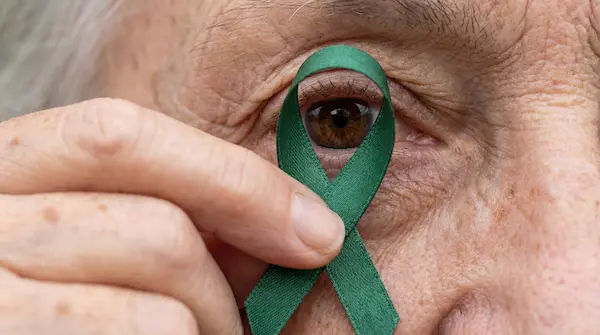
A visual hallmark of the week is “Light Up in Green,” where landmarks, hospitals, and public spaces are illuminated in green to spark conversations about glaucoma. Communities share photos on social media, linking to resources and local eye care services. Even if your town doesn’t participate formally, you can still engage by wearing green, posting a reminder to book eye exams, or sharing your own glaucoma story to encourage others. These tangible, visible actions turn awareness into early detection—one conversation at a time.
Naturally included terms: world glaucoma week theme; world glaucoma week activities
Why glaucoma awareness matters
Glaucoma affects tens of millions of people worldwide and is the leading cause of irreversible blindness. Because the
disease can progress silently for years, many people don’t know they have it until significant damage has occurred.
Global estimates suggest that the number of people living with glaucoma is rising as populations age, with some projections indicating over 110 million cases by 2040. Early detection ideally via routine comprehensive eye exams can slow or prevent vision loss through timely treatment.
Awareness changes outcomes by shifting two behaviours: helping higher-risk people get checked earlier and improving long-term treatment adherence. Studies and public health campaigns show that when people know they’re at risk because of age, family history, or ancestry they’re more likely to seek screening. That’s crucial, since vision loss from glaucoma cannot be reversed, but progression can often be slowed with eye drops, laser, or surgery.
The ripple effect of awareness extends beyond the individual. Families with a relative diagnosed with glaucoma are at higher risk; when one person gets checked, others often follow. Workplaces and schools that run awareness activities can normalise eye exams, reduce stigma, and help people spot warning signs of angle-closure attacks (sudden eye pain, halos, headache, nausea) that require urgent care. In short, World Glaucoma Week isn’t just about information it’s about life-changing action that protects the optic nerve and preserves independence.
Are you at risk? Understanding glaucoma risk factors
Anyone can develop glaucoma, but certain factors raise your odds. Age is a major driver—risk increases after 40 and
rises steadily with each decade. A family history of glaucoma significantly elevates risk, especially among parents, siblings, or children of someone with the disease. Ancestry matters too; people of African descent face a higher risk of open-angle glaucoma at younger ages, while people of East and Southeast Asian descent are more prone to angle-closure glaucoma due to anatomical factors.
Medical and lifestyle factors also play a role. Diabetes is linked to a higher risk; so is high myopia (nearsightedness), past eye injuries, thin corneas, long-term steroid use (including some inhalers and skin creams), and certain vascular conditions. Sleep apnea and low nighttime blood pressure may contribute to normal-tension glaucoma—optic nerve damage even when intraocular pressure (IOP) is not elevated. Knowing these links helps you and your clinician personalise screening frequency and prevention strategies.
Children can be affected too. Though rare, childhood (congenital or juvenile) glaucoma presents with signs such as light sensitivity, tearing, enlarged corneas, or cloudy eyes. Early specialist evaluation is essential because prompt treatment can preserve vision. If you or a family member fits any high-risk category, ask your eye care provider about the right check-up schedule—often every 1–2 years for higher-risk adults, and more frequently if changes are detected. If you have diabetes, staying on top of your glucose control supports overall eye health; Apollo24|7 offers convenient home collection for lab tests like HbA1c to help you track control without extra clinic visits.
How glaucoma is detected: tests and what to expect
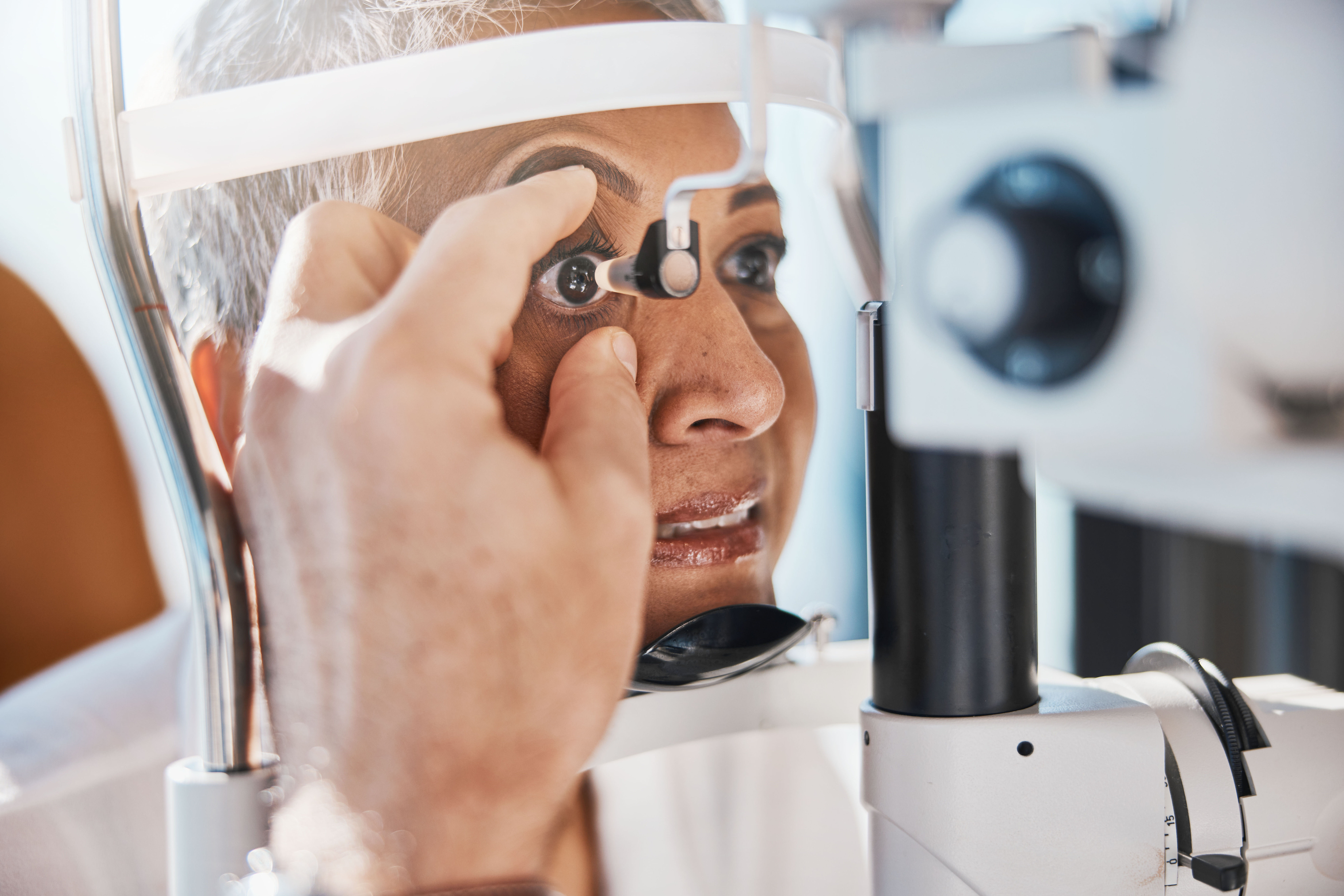
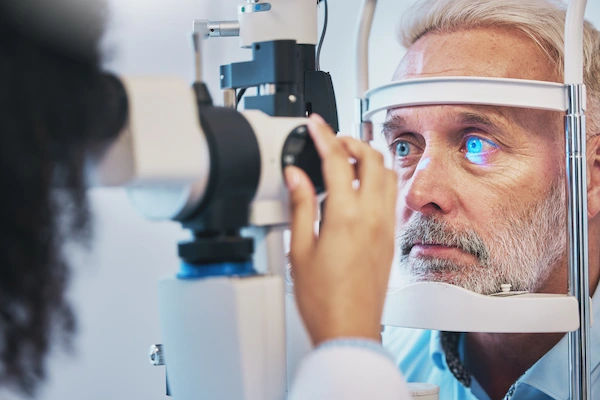
A glaucoma check is painless and typically part of a comprehensive eye exam. It begins with measuring intraocular pressure (tonometry), but pressure alone doesn’t tell the whole story. Your clinician examines the optic nerve head through a dilated pupil and may perform gonioscopy looking at the angle where the iris meets the cornea—to determine whether it’s open or narrow/closed. This angle assessment is key to differentiating open-angle from angle-closure glaucoma and to choosing the right treatment.
Two cornerstone tests help detect damage early and monitor progression:
- OCT (optical coherence tomography): A quick, noninvasive scan that measures retinal nerve fibre layer thickness and optic nerve structure. It can reveal thinning before vision changes are noticeable.
- Visual field testing (perimetry): A computerised test mapping your side (peripheral) vision to spot functional loss from glaucoma. Together, OCT and visual fields provide structure-function insights that guide care.
How often should you test?
For low-risk adults, a comprehensive exam every 1–2 years is typical; high-risk individuals might need annual or more frequent checks. If you experience symptoms of an angle-closure attack—sudden severe eye pain, blurred vision with halos around lights, headache, or nausea—seek emergency care immediately. For routine risk assessment, you can consult a doctor online with Apollo24|7 to discuss your history and decide on next steps; if your condition does not improve after trying these methods, book a physical visit to a doctor with Apollo24|7 for a full exam. Early and regular testing is the single most important step to protect your optic nerve.
Living with glaucoma: treatments and everyday life
Glaucoma treatment aims to lower intraocular pressure to a safe target to slow or halt optic nerve damage. First-line therapy often starts with prescription eye drops (such as prostaglandin analogues, beta-blockers, alpha-agonists, or carbonic anhydrase inhibitors). If drops aren’t enough or cause side effects, laser trabeculoplasty can improve fluid outflow in open-angle glaucoma; many patients appreciate that it’s an office procedure with quick recovery. In recent years, minimally invasive glaucoma surgeries (MIGS) have expanded options for people with mild-to-moderate disease, often alongside cataract surgery. For advanced cases, traditional surgeries like trabeculectomy or tube shunts may be recommended. Your ophthalmologist will individualise the plan based on disease stage, eye anatomy, and life circumstances.
Success hinges on adherence. Missed drops can quietly raise the risk of progression, so consider smartphone reminders, linking dosing to daily routines (like brushing teeth), or using colour-coded schedules. If drops irritate your eyes, ask your doctor about preservative-free versions or alternative classes. Lifestyle matters too: regular moderate exercise can modestly lower IOP, while staying hydrated, getting consistent sleep, and avoiding prolonged head-down postures help maintain stable pressures. Be cautious with inverted yoga poses or heavy weightlifting, which can transiently increase eye pressure; your clinician can personalise advice based on your type of glaucoma.
If you notice new symptoms worsening vision, halos, or pain don’t wait. If symptoms persist beyond two weeks, consult a doctor online with Apollo24|7 for further evaluation or arrange an in-person appointment. Many people live full, active lives with glaucoma; the keys are early detection, a tailored treatment plan, and steady follow-up.
How to participate in World Glaucoma Week?
You don’t have to be a clinician to make a difference during World Glaucoma Week. Start with yourself: schedule a comprehensive eye exam, especially if you’re over 40 or have risk factors. Next, talk to your family—glaucoma often runs in families, so encourage parents, siblings, and adult children to get checked. Share a short, clear message on social media about why you booked your exam and include links to local eye services or the WGW site for resources.
At school or work, consider a “Glaucoma Lunch & Learn” with a simple slide deck covering risk factors and what an eye exam includes. Ask an eye care professional to join virtually for Q&A. Post awareness materials in common areas and offer a sign-up sheet for local clinic appointments. Communities can “go green” by lighting a small public space, wearing green ribbons, or organising a weekend walk for sight. If your area has an eye hospital or NGO partner, see if they’re hosting screening camps—then volunteer or help spread the word.
Community micro-campaign template:
- Goal: “100 eye exam pledges in 7 days”
- Actions: 1) Daily WhatsApp/Instagram post with one fact and a local clinic link, 2) A 30-minute virtual talk with a
clinician, 3) Green selfie day with a pledge caption. - Tracking: Simple online form to count pledges, optional raffle (e.g., blue-light filter glasses).
- Follow-up: Share outcomes and thank participants.
Small, consistent actions add up—especially when they motivate even one high-risk person to get tested early.
Myths and facts about glaucoma
- Myth: “If I see fine, I don’t have glaucoma.” Fact: Open-angle glaucoma often has no early symptoms; side vision may
shrink so slowly you won’t notice until late. Only a comprehensive eye exam can detect it early. - Myth: “Eye pressure is all that matters.” Fact: Pressure is a major risk factor, but people can have normal-tension
glaucoma with optic nerve damage at “normal” pressures. That’s why optic nerve imaging and visual field testing are
essential. - Myth: “Herbal drops and massages can cure glaucoma.” Fact: No home remedy has been proven to cure glaucoma.
Evidence-based treatments lower IOP via medications, laser, or surgery. Always discuss supplements with your eye
doctor to avoid interactions. - Myth: “Screens cause glaucoma.” Fact: Screen time can cause eye strain and dry eye, but there’s no evidence it causes glaucoma. However, taking breaks, blinking often, and managing ergonomics are good for overall comfort.
- Myth: “If I need surgery, I’ll go blind.” Fact: Surgical options, including MIGS, are designed to reduce pressure safely. While every surgery has risks, many patients maintain or slow vision loss thanks to timely intervention and follow-up.
If you’re unsure about a claim, bring it to your clinician. A short conversation can prevent harmful delays in care.
Resources and what to do next
Finding trusted care is your next best step. Start with a comprehensive eye exam from an ophthalmologist or
optometrist experienced in glaucoma detection. Before your visit, note your family history, medications (including
steroids), and any visual symptoms. Ask which tests are planned—tonometry, dilated optic nerve exam, gonioscopy, OCT, and a visual field test—and what your follow-up schedule should be. If you have diabetes or other vascular risks,
coordinate with your primary care provider; Apollo24|7 offers convenient home collection for tests like HbA1c or lipid profiles that support overall eye and vascular health.
Cost and access vary by region. Many hospitals and NGOs host low-cost or free screening camps during World Glaucoma Week—check the official event map and local eye care organisations. If transportation is a barrier, ask about teleconsultation to triage your risk and plan an in-person exam. If language is a concern, bring a family member or request interpreter services.
Trusted websites for reliable information and campaign tools include the World Glaucoma Week site for events and media kits, the World Health Organisation and National Eye Institute for evidence-based guidance, and patient-focused organisations such as the Glaucoma Research Foundation and BrightFocus for day-to-day living tips. Save the links, share them with loved ones, and turn this week’s awareness into a lifelong habit of protecting your sights.
Conclusion
World Glaucoma Week is more than a calendar event—it’s a reminder that sight is precious and prevention is powerful. Glaucoma can quietly erode vision for years, and once vision is lost, it cannot be restored. But there’s good news: with early detection and steady care, many people preserve useful vision for life. By understanding your personal risk, knowing what a comprehensive exam includes, and following through on treatment and follow-up, you dramatically improve your odds.
This week, take one action that protects your future self. Book your exam if you’re due, or set a reminder to call a clinic. If you already live with glaucoma, review your treatment plan, set up medication reminders, and ask your clinician about any side effects or lifestyle adjustments that might help. Encourage family members—especially those over 40 or with shared risk—to get checked. And if you’re moved to do more, run a simple awareness activity at work, school, or in your community.
Sight connects you to people, places, and possibilities. Let World Glaucoma Week be the nudge that turns good intentions into eye-saving steps. If you have questions or want help choosing where to start, consult a doctor online with Apollo24|7 to map a plan that fits your life—and then share what you learn so others can benefit too.
Consult a Top Ophthalmology Doctor for Personalised Advice
Consult a Top Ophthalmology Doctor for Personalised Advice

Dr. Padmini S
Ophthalmologist
4 Years • MBBS,MS
Bengaluru
Apollo Medical Center, Marathahalli, Bengaluru

Dr. K Sreekumar Reddy
Ophthalmologist
26 Years • MBBS MD (Ophthalmology) EGESTOLP
Hyderabad
Apollo Hospitals Jubilee Hills, Hyderabad

(50+ Patients)
Dr Apurva Thombre
Ophthalmologist
10 Years • MBBS MS DNB Opthalmology
Pune
Apollo Clinic, Nigdi, Pune

Dr Kanse Vaibhav
Ophthalmologist
10 Years • MBBS, DO, MS, DNB
Pune
Apollo Clinic, Nigdi, Pune

Dr L R Seth
Ophthalmologist
36 Years • MBBS, MS, DOMS
Delhi
Apollo Hospitals Indraprastha, Delhi
Consult a Top Ophthalmology Doctor for Personalised Advice
Dr. Padmini S
Ophthalmologist
4 Years • MBBS,MS
Bengaluru
Apollo Medical Center, Marathahalli, Bengaluru
Dr. K Sreekumar Reddy
Ophthalmologist
26 Years • MBBS MD (Ophthalmology) EGESTOLP
Hyderabad
Apollo Hospitals Jubilee Hills, Hyderabad
(50+ Patients)
Dr Apurva Thombre
Ophthalmologist
10 Years • MBBS MS DNB Opthalmology
Pune
Apollo Clinic, Nigdi, Pune
Dr Kanse Vaibhav
Ophthalmologist
10 Years • MBBS, DO, MS, DNB
Pune
Apollo Clinic, Nigdi, Pune
Dr L R Seth
Ophthalmologist
36 Years • MBBS, MS, DOMS
Delhi
Apollo Hospitals Indraprastha, Delhi
More articles from Glaucoma

Frequently Asked Questions
1) How often should I get checked for glaucoma?
Adults over 40 should consider a comprehensive eye exam every 1–2 years, sooner and more often if you have glaucoma risk factors like family history or diabetes. Ask your clinician for a schedule tailored to you. For routine assessment, consult a doctor online with Apollo24|7.
2) What tests diagnose glaucoma besides eye pressure?
A full workup includes tonometry (IOP), dilated optic nerve exam, gonioscopy, OCT optic nerve imaging, and a visual field test explained by your clinician. Together, these detect damage early.
3) Can lifestyle changes lower my glaucoma risk?
Healthy habits help overall eye health: regular exercise, good sleep, and managing diabetes and blood pressure. This supports target IOP and optic nerve perfusion, but doesn’t replace treatment if you have glaucoma.
4) What are angle-closure glaucoma attack symptoms?
Sudden severe eye pain, headache, nausea, halos around lights, and blurred vision. This is an emergency—seek immediate care. If you’re unsure whether to go to the ER, book an urgent consult online with Apollo24|7 for guidance.
5) Is laser trabeculoplasty safe and effective?
For many with open-angle glaucoma, laser trabeculoplasty can lower IOP and reduce drop burden. Effectiveness varies; your ophthalmologist can discuss expected results and whether you’re a candidate.