


Home Remedies for Hair Loss: Natural Ways to Regrow Hair
Discover safe, science-backed hair loss remedies to regrow hair naturally and prevent hair fall. Easy habits, at-home options, and when to see a doctor.


Introduction
Hair shedding is common and often distressing, but the encouraging truth is that many people can significantly improve thinning, breakage, and overall hair quality with simple, evidence-informed steps at home. This guide explains safe and realistic hair loss remedies, practical methods to support natural regrowth where possible, and daily habits that strengthen the hair and scalp. It also provides clear direction on when to consult a healthcare professional for assessment or treatment.
Why this matters: Some causes of hair loss are temporary and reversible, while others require medical management.
Understanding what type of hair loss you are dealing with prevents unnecessary worry, reduces trial-and-error spending, and helps you focus on strategies most likely to work.
Consult a Top General Practitioner for Personalised Advice
Know What’s Causing Your Hair Loss
Causes for hair loss include:
Common Causes
• Androgenetic alopecia (pattern hair loss): The most common form in both men and women, characterised by gradual
receding, widening part lines, or thinning at the crown.
• Telogen effluvium: Sudden or increased shedding triggered by stressors such as illness, fever, childbirth, surgery, rapid
weight loss, restrictive diets, or specific medications. Shedding typically improves several months after the trigger
resolves.
• Alopecia areata: Patchy, sudden hair loss due to an autoimmune response; requires dermatology evaluation.
• Traction alopecia: Hair loss caused by frequent tight hairstyles such as braids, weaves, and ponytails, or prolonged
use of hair extensions.
• Scalp conditions: Dandruff, seborrhoeic dermatitis, and scalp psoriasis can aggravate shedding by causing
inflammation.
• Health factors: Thyroid disorders, iron deficiency, low vitamin D, and other underlying issues can contribute to
increased hair fall.
When To See A Doctor First
• Sudden, patchy, or scarring hair loss.
• Red, painful, flaky, or irritated scalp.
• Hair loss that begins shortly after starting a medication.
• Symptoms of hormonal imbalance, such as irregular menstrual cycles, increased acne, or coarse hair growth on the
face.
• Suspicion of thyroid dysfunction or nutrient deficiencies, such as low iron or vitamin D.
A GP or dermatologist can conduct the appropriate clinical assessment and order relevant blood tests to guide
treatment safely and effectively.
Daily Habits That Help Prevent Hair Fall
Daily habits to prevent hair fall are:
Be Gentle With Your Hair
• Loosen hairstyles to reduce tension on the roots and lower the risk of traction alopecia.
• Limit heat styling and chemical treatments such as bleaching, relaxing, or perming. When colouring, consider
extending the time between treatments and choosing bond-building or protective products recommended by a
professional stylist.
• Choose gentle tools, such as wide-tooth combs, especially on damp hair. Detangle from the ends upward to minimise
breakage.
• Opt for microfibre towels to reduce friction and mechanical stress compared with rough towel-drying.
• Wash according to your scalp’s needs. Oily scalps may require more frequent cleansing, while dry or curly hair may
tolerate less frequent washing.
• Soothe inflammation by treating dandruff or seborrhoeic dermatitis with anti-dandruff shampoos containing
ketoconazole, zinc pyrithione, or selenium sulphide, following the product’s instructions.
Nourish Hair From The Inside
Your hair reflects your overall nutritional status, and deficiencies often manifest first in the hair and nails.
• Prioritise protein intake, as hair consists predominantly of keratin. Include protein sources such as eggs, fish, legumes,
poultry, dairy, nuts, seeds, and tofu in daily meals.
• Avoid guessing about iron levels. Low ferritin can trigger shedding, especially in menstruating people or those on
restrictive diets. Ask your clinician about testing before supplementing, as excess iron can be harmful.
• Vitamin D and zinc deficiencies have been linked to certain forms of hair loss. Supplementation should be based on
testing or professional advice.
• Be supplement-aware. While biotin is widely marketed for hair growth, most individuals are not deficient. High doses
can interfere with laboratory results, so it should only be used if recommended by a clinician.
Manage Stress And Sleep
Stress can force hair follicles into the resting phase, resulting in increased shedding.
• Aim for 7–9 hours of sleep each night and maintain a consistent sleep schedule.
• Incorporate daily stress-relief strategies such as walking, deep breathing, meditation, journaling, or gentle yoga.
• Maintain regular meals and engage in moderate exercise to support stable hormone production and healthy hair
cycles.
Evidence-Backed At-Home Treatments
Home treatments for hair loss are:
Over-The-Counter Minoxidil (Topical)
• A well-studied treatment available in 2% and 5% solution or foam, applied directly to the scalp.
• Helps slow thinning and encourages regrowth in many people, especially on the crown and top of the head.
• Requires consistent use for 3–6 months before noticeable improvement, and continued application is necessary to
maintain results.
• Potential side effects include scalp irritation or unwanted facial hair. Consult a clinician before use if pregnant,
breastfeeding, or managing scalp conditions.
Anti-Dandruff Shampoos To Calm The Scalp
• Medicated shampoos formulated with ketoconazole, zinc pyrithione, or selenium sulphide can reduce flaking and
inflammation.
• Rotating these shampoos one to three times weekly helps calm irritation that may aggravate shedding.
• Leave the shampoo on the scalp for the recommended time before rinsing to maximise effectiveness.
Gentle Scalp Massage
• Light fingertip massage for four to five minutes daily may support thickness by improving local blood flow and
reducing scalp tension.
• It is low-risk, relaxing, and easy to incorporate into your routine.
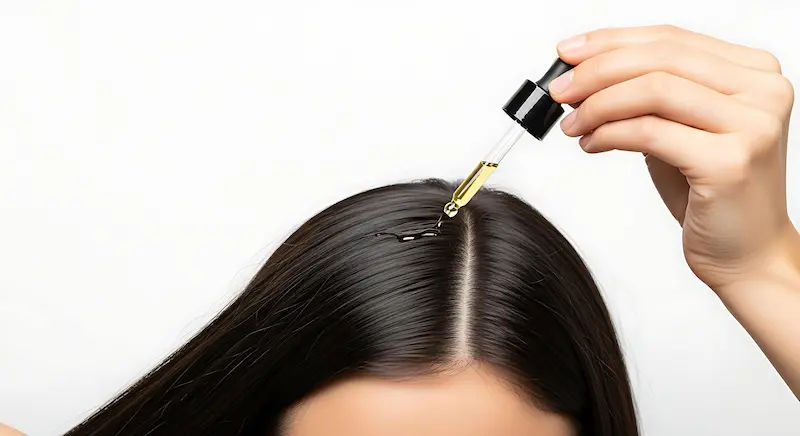
• A few drops of a carrier oil such as coconut or jojoba can reduce friction, but always patch test first to avoid irritation.
Essential Oils: Proceed With Caution
• Early research suggests rosemary oil may help some individuals improve thickness, though evidence is limited.
• Dilute correctly: for example, two to three drops of essential oil mixed into one tablespoon of carrier oil.
• Patch test on the inner forearm for 24 hours before applying to the scalp.
• Stop use if burning, redness, or itching develops.
• Avoid essential oils during pregnancy unless approved by your clinician.
• Essential oils should not replace proven treatments such as minoxidil for pattern hair loss.
Natural Ways To Regrow Hair: Expectations And Timelines
Natural ways to regrow hair, and the expected outcome are:
What To Expect
• Hair grows slowly, at approximately 1 cm per month, so changes take time.
• Whether improving nutrition, using medicated shampoo, or applying minoxidil, expect three to six months before
assessing progress.
• Consistency is critical; frequent switching of products or routines makes it difficult to determine what works.
• Set realistic expectations. Home care may reduce shedding, support thickness, and improve scalp health, but
established pattern hair loss or scarring forms of alopecia often require medical intervention for meaningful regrowth.
Simple Weekly Routine To Try
Daily
• Gentle detangling and avoidance of tight hairstyles.
• Balanced meals with protein at each meal and adequate hydration.
• Four to five minutes of scalp massage.
• A daily stress-reduction activity such as walking or stretching.
3–7 Days Per Week (As Needed)
• Wash your scalp based on oiliness, activity levels, and preference.
• Use medicated dandruff shampoo if you experience flaking or itchiness.
1–2 Times Per Week
• Apply a light conditioner or hydrating mask to the mid-lengths and ends.
• Avoid applying heavy conditioners to the scalp unless very dry.
If Using Minoxidil
• Apply daily as directed.
• Allow it to dry fully before styling or going to bed.
Every Month
• Take photos in consistent lighting to monitor progress objectively.
When Home Hair Loss Remedies Aren’t Enough
In case the hair loss remedies are not working, here are some more remedies:
• Seek medical advice if you experience sudden, patchy, or painful hair loss, or if the scalp appears red, irritated, or
scarred.
• Consult a clinician if shedding persists beyond six months after a known trigger such as illness or childbirth.
• Report accompanying symptoms like fatigue, cold intolerance, or menstrual irregularities, which may indicate thyroid
or nutritional issues.
• If you have followed consistent home care for three to six months without improvement, a dermatologist can explore
prescription treatments or investigate underlying conditions.
Common Myths, Debunked
• “More shampooing causes hair loss.” The hair you see in the shower is already shed; washing helps maintain a
healthy scalp.
• “Biotin makes everyone’s hair grow.” Supplementation only helps if you are deficient; high doses can interfere with
blood tests.
• “Shaving makes hair thicker.” The regrowth may feel coarser initially, but shaving does not alter the actual hair
density or structure.
Putting It All Together
If your goal is to regrow hair naturally and prevent hair fall, focus on the fundamentals: gentle hair care, scalp health,
balanced nutrition, stress management, and, when appropriate, evidence‑based at‑home treatments like minoxidil.
Track your progress, be patient, and don’t hesitate to get medical advice, especially for sudden or patchy hair loss.
Consult a Top General Practitioner for Personalised Advice
Consult a Top General Practitioner for Personalised Advice
Consult a Top General Practitioner for Personalised Advice
Consult a Top General Practitioner for Personalised Advice

Dr. Vivek D
General Physician
4 Years • MBBS
Bengaluru
PRESTIGE SHANTHINIKETAN - SOCIETY CLINIC, Bengaluru

Dr Syed Mateen Pasha
General Physician
2 Years • MBBS
Bengaluru
PRESTIGE SHANTHINIKETAN - SOCIETY CLINIC, Bengaluru

Dr. Manoj Jain
General Practitioner
15 Years • MBBS
Durgapura
Aarav Diabetes and Multispeciality Center, Durgapura

Dr Suseela
General Physician
5 Years • MBBS
Bengaluru
Apollo Medical Center, Marathahalli, Bengaluru

Dr. Riti Srivastava
General Practitioner
12 Years • MD (Physician)
Gautam Buddha Nagar
Shri Krishna Clinic, Gautam Buddha Nagar
Consult a Top General Practitioner for Personalised Advice
Dr. Vivek D
General Physician
4 Years • MBBS
Bengaluru
PRESTIGE SHANTHINIKETAN - SOCIETY CLINIC, Bengaluru
Dr Syed Mateen Pasha
General Physician
2 Years • MBBS
Bengaluru
PRESTIGE SHANTHINIKETAN - SOCIETY CLINIC, Bengaluru
Dr. Manoj Jain
General Practitioner
15 Years • MBBS
Durgapura
Aarav Diabetes and Multispeciality Center, Durgapura
Dr Suseela
General Physician
5 Years • MBBS
Bengaluru
Apollo Medical Center, Marathahalli, Bengaluru
Dr. Riti Srivastava
General Practitioner
12 Years • MD (Physician)
Gautam Buddha Nagar
Shri Krishna Clinic, Gautam Buddha Nagar
More articles from Hair Disease

Frequently Asked Questions
1) Which vitamins help hair the most?
A balanced diet with enough protein, iron (if you’re low), vitamin D (if you’re low), and zinc supports healthy hair. Most people don’t need biotin unless a deficiency is diagnosed. Ask your clinician before starting supplements and testing levels if a deficiency is suspected.
2) Can rosemary oil really regrow hair naturally?
Early research suggests rosemary oil may support thickness in some people, but evidence is limited compared with minoxidil. If you try it, dilute properly, patch test, and stop if irritated. It’s best used as a complement to, not a replacement for, proven treatments.
3) How long does minoxidil take to work?
You may see less shedding after 2–3 months and visible thickening by 3–6 months. Continued daily use is needed to keep the benefits. It works best for pattern hair loss and at the crown.
4) Will shampooing less prevent hair fall?
Not necessarily. Wash as often as needed to keep the scalp comfortable and clean. If you have dandruff, use a medicated shampoo as directed. Gentle washing does not cause hair loss.
5) I had a major illness/childbirth, and now I’m shedding. What can I do?
This sounds like telogen effluvium, which often improves within 3–6 months after the trigger resolves. Focus on nutrition, sleep, stress management, and gentle hair care. If shedding is severe, lasts longer than 6 months, or you have other symptoms, see a clinician.