

Home Remedies for Oily Scalp and Hair: Natural Solutions
Discover oily scalp remedies and greasy hair tips that work. Learn safe natural hair care, the best shampoos, and when to see a dermatologist.

Written by Dr. Dhankecha Mayank Dineshbhai
Reviewed by Dr. Rohinipriyanka Pondugula MBBS
Last updated on 19th Feb, 2026
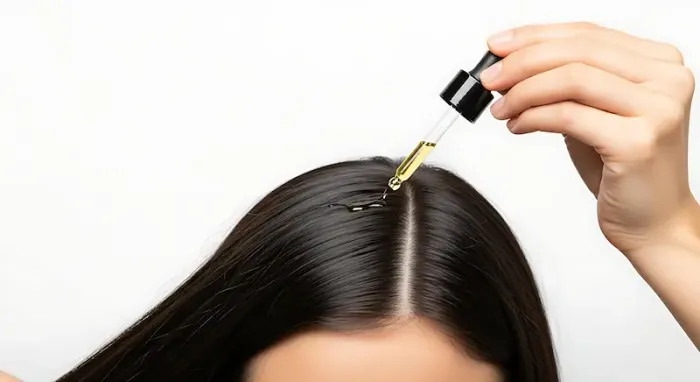
Introduction
An oily scalp can make freshly washed hair appear limp and greasy within hours, contribute to recurring dandruff flare-ups, and make everyday styling more difficult. The positive news is that with well-chosen oily scalp remedies, evidence-informed greasy hair tips, and consistent natural hair care habits, you can significantly reduce discomfort and manage excessive oil without resorting to harsh practices. This guide explains why the scalp becomes oily, practical home strategies that work, effective shampoo ingredients, lifestyle considerations, and clear signs that indicate the need for dermatologist care. The content below is expanded for clarity, flow, and comprehensive guidance.
Consult a Top General Practitioner for Personalised Advice
What Causes An Oily Scalp?
Your scalp naturally produces sebum to protect both the hair and the underlying skin. Oiliness becomes problematic when there is an overproduction of sebum or when product residue, sweat, and environmental factors trap oil near the scalp surface.
Common Contributors
- Genetics and hair type: Straight or fine hair tends to show oil more quickly because sebum spreads rapidly from roots to ends.
- Hormones and age: Puberty, the menstrual cycle, pregnancy, and various hormonal conditions can stimulate sebaceous glands and increase oiliness.
- Washing habits: Infrequent washing allows oil, sweat, and dead skin cells to accumulate. Over-washing with harsh
cleansers can aggravate the scalp and may cause rebound oiliness in some individuals. - Heavy hair products: Thick serums, waxes, pomades, and silicone-rich stylers cling to the hair shaft, trapping debris and
adding weight. - Sweat, humidity, and helmets or hats: Moisture and occlusion can intensify greasiness and contribute to odour.
- Dandruff or seborrhoeic dermatitis: These conditions may cause oily flakes, redness, itching, and chronic irritation.
Oily Scalp Remedies You Can Try At Home
Home remedies for oily scalp are:
Choose The Right Shampoo And Wash Well
- Wash frequency: Many people with oily scalps benefit from daily or alternate-day washing. Adjust by observing how
your scalp and hair behave. - Focus on the scalp: Gently massage shampoo into the scalp for 30–60 seconds using your fingertips. Avoid using nails,
which can irritate the skin. Allow the lather to travel down the hair without scrubbing the lengths. - Water temperature: Use lukewarm water. Extremely hot water can strip natural moisture and trigger irritation.
- Rinse thoroughly: Incomplete rinsing leaves behind residues that weigh down hair and create a greasy appearance.
Helpful Shampoo Types
- Gentle everyday shampoo: Look for labels that say “daily,” “balancing,” or “normal to oily hair.”
- Clarifying shampoo: Use once weekly or as needed to remove heavy buildup from stylers, pollution, or hard water.
- Salicylic acid shampoos: Salicylic acid helps exfoliate the scalp, reduce oiliness, and lift buildup.
- Anti-dandruff shampoos: Products with zinc pyrithione, selenium sulphide, ketoconazole, or coal tar can relieve
dandruff and seborrhoeic dermatitis when used correctly.
Condition The Right Way
Tips for applying the conditioner the right way:
- Apply conditioner to mid-lengths and ends only. Avoid placing it on the scalp.
- Choose lightweight, volumising, or fine-hair formulas that rinse cleanly.
- Rinse thoroughly to prevent residue accumulation.
Smart Styling And Hygiene Habits
Smart styling and hygiene habits include:
- Use minimal product: Start with a small amount and build only if necessary.
- Avoid heavy oils and waxes at the roots: These can trap debris and worsen greasiness.
- Clean tools regularly: Wash brushes, combs, and styling tools to prevent oil from redistributing onto clean hair.
- Reduce the use of tight hats or helmets on particularly oily days.
- Avoid touching your hair repeatedly, as oils from your hands transfer easily.
- Change pillowcases frequently to reduce oil transfer during sleep.
Natural Hair Care Options That May Help
These gentle strategies can complement your main hair care routine.
Tea Tree Oil (Diluted)
- Tea tree oil has antimicrobial properties and may reduce mild dandruff-related flaking.
- Add only 1–2 drops to your shampoo per wash.
- Do not apply undiluted tea tree oil to the scalp. Patch-test before use.
Aloe Vera Pre-Shampoo
- Apply a thin, even layer of pure aloe vera gel to the scalp for 10–15 minutes.
- Helps loosen buildup, soothe mild irritation, and refresh the scalp before washing.
Gentle Clay Masks
- Kaolin or bentonite clays can absorb surface oil and impurities.
- Use as an occasional pre-wash treatment and rinse thoroughly to avoid dryness.
- Avoid if your scalp becomes irritated or overly tight.
Important Safety Notes
- Do not use harsh DIY scrubs such as coarse salt, undiluted vinegar, or baking soda.
- Always dilute essential oils and discontinue use if irritation occurs.
- Individuals with open skin lesions, eczema, or psoriasis should consult a clinician before trying new scalp treatments.
A Simple Routine For Less Oil (Greasy Hair Tips That Work)
Less oil secrets include:
Morning Or Wash-Day Routine
- Pre-wash (1–2 times weekly): Apply aloe gel or a gentle clay mask for 10 minutes and rinse.
- Shampoo: Use a balancing everyday shampoo, focusing on the scalp. Switch to clarifying or salicylic acid shampoo
when dealing with heavy buildup. - Condition: Apply lightweight conditioner to mid-lengths and ends only.
- Final rinse: A cool rinse may enhance shine and reduce frizz.
- Dry: Blot gently with a microfibre towel; avoid vigorous rubbing.
- Style lightly: Use minimal product at the roots and prefer lightweight sprays or foams.
Weekly Routine
- Use a clarifying shampoo once weekly if you frequently use stylers or have hard water.
- Incorporate an anti-dandruff shampoo if you experience redness, flaking, or persistent itching.
Lifestyle Notes
The lifestyle tips include:
- Sweat after exercise is normal; shampoo as needed to maintain comfort and cleanliness.
- Stress management and sufficient sleep may help overall scalp health, although no diet or supplement can completely
“cure” an oily scalp. - Maintain a balanced diet and adequate hydration to support skin health in general.
When Greasy Hair Signals A Scalp Condition
Seek dermatologist care if you experience:
- Persistent dandruff accompanied by redness, itching, or burning.
- Thick, yellowish scale, oozing, or pain.
- Sudden severe oiliness paired with hair shedding or skin changes.
- No improvement after 4–6 weeks of consistent home care.
Standard Treatments
- Medicated shampoos containing zinc pyrithione, selenium sulphide, ketoconazole, salicylic acid, or coal tar are
commonly used. - Shampoos should be left on the scalp for several minutes before rinsing to maximise benefit.
- If symptoms do not improve, a dermatologist may recommend alternating formulas or prescribing stronger treatments.
Mistakes To Avoid
Avoid mistakes when:
- Over-scrubbing the scalp can worsen irritation and oil production.
- Using extremely hot water, which increases dryness and inflammation.
- Applying heavy oils to the scalp.
- Skipping thorough rinsing after shampoo or conditioner.
- Relying on dry shampoo daily may cause buildup.
- Applying conditioner to the roots.
Product Ingredient Checklist
The ingredient checklist includes:
Look For
Salicylic acid for oil and buildup.
- Lightweight surfactants and clarifying formulas are used intermittently.
- Zinc pyrithione, selenium sulphide, ketoconazole, or coal tar for dandruff.
- Volumising conditioners and lightweight sprays for everyday use.
Minimise
- Heavy oils, butters, waxes, and pomades at the roots.
- Excessive silicones if you are prone to buildup (balance with occasional clarifying washes).
Quick Recap: Core Oily Scalp Remedies
The remedies in a nutshell include:
- Wash as often as needed with a gentle but effective shampoo.
- Focus cleansing on the scalp while keeping conditioner away from the roots.
- Use clarifying or salicylic acid shampoos periodically.
- Choose anti-dandruff shampoos when flaking or irritation occurs.
- Keep styling light and clean your tools regularly.
- Use natural remedies such as diluted tea tree oil or aloe only if suitable for your scalp.
Conclusion
Managing an oily scalp requires a combination of consistent cleansing habits, thoughtfully selected products, and gentle
styling practices. With the right routine, most people can reduce greasiness, improve scalp comfort, and maintain
fresher-looking hair throughout the day. Natural options such as aloe or diluted tea tree oil can offer additional support when used appropriately. If symptoms persist or worsen, dermatological assessment ensures accurate diagnosis and effective treatment. By paying attention to both scalp health and everyday habits, you can achieve long-term balance and healthier-looking hair.
Consult a Top General Practitioner for Personalised Advice
Consult a Top General Practitioner for Personalised Advice

Dr. Sathish .n
General Practitioner
6 Years • MBBS
Enathur
Meenakshi Medical College Hospital and Research Institute, Enathur

Dr. Ritesh Motghare
General Practitioner
18 Years • MBBS PGCDM
Nagpur
HEALTH CENTRE VNIT NAGPUR, Nagpur

Dr Darshana R
General Physician/ Internal Medicine Specialist
15 Years • MBBS, MD, DNB (Internal Medicine), Diploma in Allergy, Asthma and Immunology , Fellowship in Diabetes
Bengaluru
Apollo Clinic, JP nagar, Bengaluru
(150+ Patients)
Dr. Pankaj Tripathi
General Practitioner
20 Years • MBBS, MD Pathology
Lucknow
Best Diabetologist Clinic, Lucknow
Dr. Anand Ravi
General Physician
2 Years • MBBS, FEM
Bengaluru
PRESTIGE SHANTHINIKETAN - SOCIETY CLINIC, Bengaluru
Consult a Top General Practitioner for Personalised Advice
Dr. Sathish .n
General Practitioner
6 Years • MBBS
Enathur
Meenakshi Medical College Hospital and Research Institute, Enathur
Dr. Ritesh Motghare
General Practitioner
18 Years • MBBS PGCDM
Nagpur
HEALTH CENTRE VNIT NAGPUR, Nagpur
Dr Darshana R
General Physician/ Internal Medicine Specialist
15 Years • MBBS, MD, DNB (Internal Medicine), Diploma in Allergy, Asthma and Immunology , Fellowship in Diabetes
Bengaluru
Apollo Clinic, JP nagar, Bengaluru
(150+ Patients)
Dr. Pankaj Tripathi
General Practitioner
20 Years • MBBS, MD Pathology
Lucknow
Best Diabetologist Clinic, Lucknow
Dr. Anand Ravi
General Physician
2 Years • MBBS, FEM
Bengaluru
PRESTIGE SHANTHINIKETAN - SOCIETY CLINIC, Bengaluru
More articles from Hair Disease

Frequently Asked Questions
1) How often should I wash oily hair?
As often as it looks or feels oily daily or every other day is common for oily scalps. Focus the shampoo on the scalp and rinse thoroughly. If you exercise or sweat often, you may need more frequent washes.
2) Can I “train” my scalp to produce less oil by washing less?
There’s no strong evidence that you can permanently retrain sebaceous glands by stretching wash days. Sebum production is influenced mainly by hormones and genetics. What you can do is find the wash frequency and products that keep your scalp comfortable without irritation.
3) Which shampoo ingredients help with oily scalp and dandruff?
For oil and buildup: salicylic acid and occasional clarifying formulas. For dandruff/seborrheic dermatitis: zinc pyrithione, selenium sulfide, ketoconazole, or coal tar (use as directed). Rotate products if needed and give each several washes to assess results.
4) Is dry shampoo bad for an oily scalp?
Occasional use can help in a pinch, but it doesn’t replace washing. Frequent, heavy use can lead to buildup and scalp irritation. Use sparingly and cleanse with water and shampoo regularly.
5) Are natural remedies safe for an oily scalp?
Some people find diluted tea tree oil in shampoo or a short aloe pre-wash helpful. Always patch-test, avoid undiluted essential oils, and stop if irritation occurs. Natural doesn’t always mean risk-free; choose gentle approaches and consult a clinician if you have a scalp condition or sensitive skin.