


Best Ayurvedic Herbs for Hair Growth and Scalp Health
Discover the best Ayurvedic herbs for hair growth and scalp health. Learn safe, science-informed ways to use ayurvedic herbs in hair routines at home.

Written by Dr. Siri Nallapu
Reviewed by Dr. Dhankecha Mayank Dineshbhai MBBS
Last updated on 13th Jan, 2026
Introduction
Thicker hair and a comfortable, flake-free scalp remain common wellness goals for many people. Ayurveda, India’s traditional system of health, offers a wide range of plant-based remedies that countless individuals use to support hair vitality and maintain a soothed, balanced scalp. If you are curious about using Ayurvedic herbs within a hair-care routine, this guide explains the main herbs, what current evidence suggests, and how to use them safely alongside modern dermatology. You will also find practical methods for nourishing the scalp, gentle ways to include herbs in day-to-day routines, and clear guidance for when medical evaluation is necessary.
It is important to set realistic expectations. Although several Ayurvedic herbs show promise for soothing the scalp and supporting overall hair appearance, high-quality human research on regrowing hair remains limited. These herbs tend to work best as supportive additions rather than stand-alone treatments. When combined with good nutrition, scalp hygiene, stress management, and appropriate medical therapies where needed, they can be valuable tools in a broader hair-care plan. Consult a Top Ayurveda Doctor for Personalised Advice
How Ayurveda Views Hair and Scalp Health?
The perspective of ayurveda on hair and scalp health is:
The Ayurvedic perspective
• Hair is seen as an extension of overall balance, influenced by digestion, nourishment, stress levels, and sleep.
• Classics of Ayurveda often emphasise the use of herbal oils, gentle cleansers, and calming practices such as breathwork and yoga.
• A balanced lifestyle, including regular routines and stress reduction, is believed to support healthier hair cycles.
The modern dermatology perspective
• Stress, diet, hormones, and scalp conditions can all play a role in shedding or thinning.
• Using safe herbal topicals may support comfort while you pursue evidence-based evaluation and treatment for persistent concerns.
• Consistency and a gentle approach tend to align well with modern scalp-care principles.
The Evidence at a Glance: What We Know and What We Do Not
Here is what we know and what we don't know about addressing the problems related to hair and scalp:
Established evidence
• Medications such as minoxidil and finasteride provide the strongest research support for androgenetic alopecia.
• Stress-related shedding (telogen effluvium) is common and often improves once the underlying trigger is addressed.
• Medicated shampoos such as ketoconazole or zinc pyrithione can help manage dandruff and inflammatory scalp conditions that may worsen shedding.
Where uncertainty remains
• Ayurvedic herbs are widely used, but robust clinical research on hair regrowth in humans remains limited.
• Supportive benefits such as improved scalp comfort, reduced friction, and better hair appearance are more reliable outcomes than measurable regrowth.
• Herbs may offer their greatest value when incorporated into a comprehensive routine that includes lifestyle and medical care as needed.
Best Ayurvedic Herbs for Hair Growth and Scalp Health
The best ayurvedic herbs for hair growth and scalp health are:
Amla (Indian Gooseberry)
What is it?
• Amla is a tangy fruit rich in vitamin C and antioxidants. It is a classic ingredient in many Ayurvedic hair oils, powders, and tonics.
How may it help?
• Antioxidants may help protect the scalp from oxidative stress.
• Lightweight amla oil may add shine and help reduce tangles when used as a pre-wash treatment.
How to use?
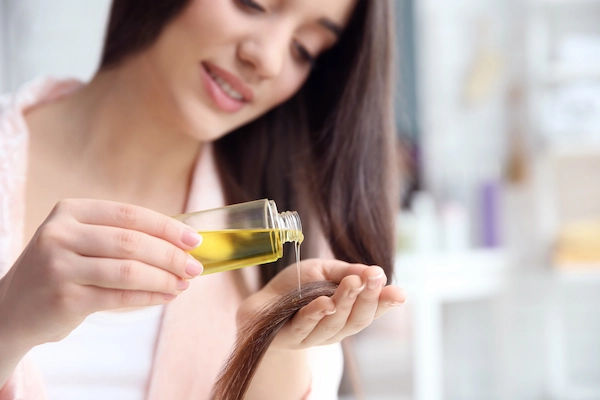
• Pre-wash oiling: Massage a small amount of amla-infused oil into the scalp and hair for 30–60 minutes before washing.
• Herbal rinse: Mix amla powder with warm water, allow it to steep, then cool and use it as a final rinse.
Safety notes
• Choose reputable brands and avoid heavily scented products if sensitive.
• Patch test on the inner forearm for 24 hours.
Bhringraj (Eclipta alba)
What is it?
Commonly called the “king of hair” in Ayurveda, bhringraj is made from the leaves of Eclipta alba and features prominently in traditional hair oils.
How it may help
• Used traditionally to massage and soothe the scalp, improving the look and feel of hair.
• Early laboratory and animal studies suggest potential effects on hair follicles, though large human trials are lacking.
How to use?
• Apply bhringraj oil to the scalp 1–2 times weekly before washing.
• Select oils where bhringraj is a primary ingredient.
Safety notes
• Generally well-tolerated topically.
• For sensitive scalps or dermatitis, begin with shorter contact times.
Brahmi (Bacopa monnieri or Gotu Kola)
What is it?
The term “brahmi” may refer to Bacopa monnieri or Centella asiatica (gotu kola), both used widely in Ayurvedic traditions.
How may it help?
• Traditionally seen as calming and nourishing.
• Stress management can indirectly support healthier hair cycles.
• Topical preparations may soothe the scalp.
How to use?
• Apply light brahmi or gotu kola oils as part of a pre-wash massage.
• Use gentle herbal rinses made from dilute, well-strained infusions.
Safety notes
• Internal use may interact with medications; topical forms are safer.
• Gotu kola can occasionally cause skin sensitivity; patch testing is advised.
Ashwagandha (Withania somnifera)
What is it?
Ashwagandha is a popular adaptogenic herb in Ayurveda, commonly used for stress support.
How may it help?
• Stress can trigger temporary shedding, and this herb has shown potential for reducing stress and anxiety in some studies.
• Often included in topical hair oils as a supportive ingredient.
How to use?
• Prioritise stress-reduction measures such as sleep, mindfulness, and movement.
• If considering oral forms, consult a clinician, especially if pregnant or taking medications. Topical oils can be an alternative.
Safety notes
• Can interact with sedatives, thyroid medicines, and immunosuppressants.
• Not recommended during pregnancy unless approved by a clinician.
Neem (Azadirachta indica)
What is it?
Neem is a bitter, aromatic leaf and oil used widely for skin and scalp cleansing.
How may it help?
• Traditionally used for itchy or flaky scalps.
• It may help reduce scalp oil and buildup when used properly.
How to use?
• Add a few drops of diluted neem oil to a carrier oil and apply to the scalp for 15–30 minutes before washing.
• Avoid applying neem oil undiluted.
Safety notes
• Strong and potentially irritating when concentrated; patch test carefully.
• Do not ingest neem oil and avoid during pregnancy or in children unless medically directed.
Fenugreek (Methi)
What is it?
Fenugreek seeds are aromatic and used in traditional hair masks.
How may it help?
• The mucilaginous texture can reduce friction and breakage, helping the hair feel smoother and more manageable.
How to use?
• Soak seeds, blend into a paste, apply to damp hair and scalp for 10–20 minutes, then rinse well.
• Alternatively, prepare a light fenugreek tea rinse.
Safety notes
• A strong scent is normal, but irritation is possible; patch test first.
• Oral supplements may interact with medicines for blood sugar control or blood thinning
Aloe Vera (Aloe barbadensis)
What is it?
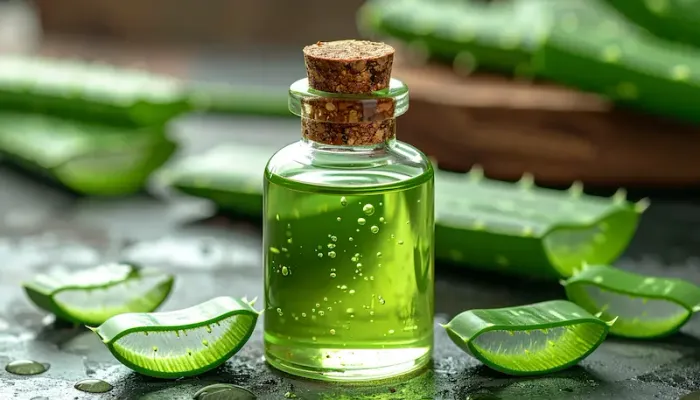
Aloe vera gel comes from the inner leaf of the aloe plant and has a cooling, soothing texture.
How may it help?
• Helps calm irritated or tight scalps.
• Adds slip for easier detangling and gentler washing.
How to use?
• Apply pure, fragrance-free gel to the scalp for 10–15 minutes before washing.
• Mix a small amount into a conditioner for added comfort.
Safety notes
• Usually safe, but patch testing is recommended.
Liquorice (Yashtimadhu)
What is it?
Liquorice root is a sweet herb used in many classical Ayurvedic formulations.
How may it help?
• Traditionally valued for calming properties and sometimes used to comfort irritated scalps.
How to use?
• Select balanced formulations rather than concentrated DIY extracts.
Safety notes
• Oral liquorice can affect blood pressure and potassium levels. People with hypertension or certain medical conditions should avoid it.
• Even with topical use, patch testing remains important.
Hibiscus (Jaswand)
What is it?
Hibiscus flowers and leaves are well-known in traditional hair oils and masks.
How may it help?
• The slippery texture of hibiscus preparations can improve softness and reduce tangles.
• Claims of stimulating growth remain unproven in strong human studies.
How to use?
• Infuse petals in warm oil for a pre-wash massage.
• Use a strained, blended paste as a short mask before washing.
Safety notes
• Patch test before use to rule out plant sensitivities.
How to Use Ayurvedic Herbs Safely and Effectively?
Here are tips and guidance on how to use ayurvedic herbs safely and effectively:
Practical safety guidance
• Start simple by introducing one new product at a time for a few weeks.
• Always patch test new ingredients.
• Maintain a clean scalp with gentle, regular shampooing to avoid product buildup.
• Stay consistent but avoid excessive treatments; weekly or twice-weekly is usually sufficient.
• Choose high-quality, reputable products tested for purity.
• Avoid ingesting essential oils or undiluted extracts.
• Do not postpone medical care for sudden or severe symptoms.
Lifestyle Habits for Hair Growth
Nutrition
• Protein: Essential for hair structure. Include fish, eggs, legumes, tofu, dairy, or poultry.
• Iron and ferritin: Low iron levels are a common cause of shedding. Seek medical testing before supplementing.
• Additional nutrients: Zinc, vitamin D, and essential fatty acids all help support scalp and hair health.
Stress, sleep, and illness
• Major stress or illness can cause shedding a few months later. Focus on gentle routines, sleep, and movement.
• Adaptogens may support stress levels under professional guidance.
Scalp care
• Medicated shampoos can help manage dandruff or inflammation.
• Ayurvedic oils can support comfort between washes.
• Avoid excessive heat, tight hairstyles, and frequent chemical treatments.
When to seek medical advice
• Sudden shedding, bald patches, scarring, pain, or signs of infection require prompt evaluation.
• Patterned thinning often benefits from clinically proven treatments.
A Simple, Gentle Routine You Can Try
A simple routine for better results includes:
• Pre-wash scalp massage twice weekly using a light oil blend containing amla and bhringraj. Use 1–2 teaspoons, massage for five minutes, leave for 30 minutes, then wash.
• Choose one weekly mask or rinse, such as fenugreek paste, hibiscus paste, or a cooled amla tea rinse, leaving it on for 10–20 minutes.
• Maintain daily basics, including balanced meals, hydration, and restful sleep.
• Use gentle shampoo and conditioner every two to three days, adding aloe gel as a soothing pre-wash treatment when needed.
• If shedding continues for more than three months or thinning becomes noticeable, consult a dermatologist.
Conclusion
Ayurvedic herbs can offer gentle, nourishing support for scalp comfort and hair appearance when used safely and consistently. While they are not a substitute for medically proven treatments, they complement a balanced lifestyle that includes sound nutrition, restful sleep, and stress reduction. Building a simple, gentle routine allows you to explore what works best for your scalp without overwhelming it. If concerns such as persistent shedding or patterned thinning arise, early medical evaluation remains essential. As with most holistic routines, patience and consistency often lead to the most satisfying results. Consult a Top Ayurveda Doctor for Personalised Advice
Consult a Top Ayurveda Doctor for Personalised Advice

Dr. Anjan Das
Ayurveda Practitioner
8 Years • Ayurvedacharya ( B.A.M.S )
Dumdum
Vedhive Ayurveda Clinic, Dumdum

Dr. Shiv Prakash Singh
Ayurveda Practitioner
19 Years • BAMS
Kolkata
Vedhive Ayurveda College Street, Kolkata

(50+ Patients)

Dr. Rik Sadhukhan
Ayurveda Practitioner
8 Years • BAMS
Kolkata
Vedhive Ayurveda, Ballygunge, Kolkata
Consult a Top Ayurveda Doctor for Personalised Advice
Dr. Anjan Das
Ayurveda Practitioner
8 Years • Ayurvedacharya ( B.A.M.S )
Dumdum
Vedhive Ayurveda Clinic, Dumdum
Dr. Shiv Prakash Singh
Ayurveda Practitioner
19 Years • BAMS
Kolkata
Vedhive Ayurveda College Street, Kolkata
(50+ Patients)
Dr. Rik Sadhukhan
Ayurveda Practitioner
8 Years • BAMS
Kolkata
Vedhive Ayurveda, Ballygunge, Kolkata
More articles from Hair Loss

Frequently Asked Questions
Q.Can Ayurvedic herbs regrow lost hair?
Some individuals notice fuller-looking hair and greater scalp comfort with consistent use, but strong clinical evidence for hair regrowth remains limited. For patterned loss, medications such as minoxidil (and finasteride for men) offer the most reliable outcomes. Ayurvedic herbs are best used as supportive care.
Q.Which herb is best for dandruff or itchy scalp?
Diluted neem oil, aloe vera gel, and light amla or bhringraj oils are commonly used for soothing. Persistent dandruff may require medicated shampoos, and professional advice if symptoms persist.
Q.How long until I see results?
Most people notice improved scalp comfort and reduced breakage within 8–12 weeks. Hair growth is naturally slow, and shedding cycles may take months to settle.
Q.Are these herbs safe during pregnancy or breastfeeding?
Safety varies between herbs. Neem oil should not be ingested, and new supplements such as ashwagandha should only be used with clinical approval. Topical, mild products may be acceptable, but always consult your healthcare professional.
Q.Can herbs interact with medications?
Yes. Ashwagandha, liquorice, and fenugreek may interact with several medicines when taken orally. Discuss supplements with your clinician or pharmacist, and always patch test topical applications.