


Best Hair Oils For Growth
Hair oil growth guide: best oils, what really works, and safe-use tips. Evidence-based advice for healthier, thicker-looking hair.

Written by Dr. Vasanthasree Nair
Reviewed by Dr. Dhankecha Mayank Dineshbhai MBBS
Last updated on 13th Jan, 2026
Introduction
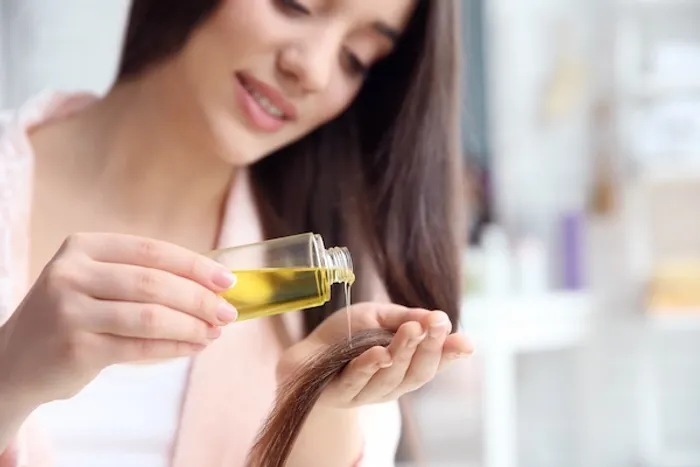
Hair thinning, shedding, or loss can feel frustrating, and many people turn to oils hoping to strengthen their hair and support growth. While oils can nourish the scalp, reduce breakage, and make hair appear fuller, only a few treatments have strong scientific evidence for true regrowth. This guide breaks down what oils can and cannot do, explains the science behind hair changes, and offers safe, practical ways to use oils alongside proven therapies.
What Really Affects Hair Growth and Loss?
Understanding the causes of hair changes helps you choose products that make a difference.
Here’s what influences hair growth:
- Genetics: Pattern hair loss (androgenetic alopecia) is common in both men and women
- Temporary shedding: Illness, stress, childbirth, surgery, or certain medications can trigger telogen effluvium, a shedding phase that usually settles within months.
- Hormonal and medical conditions: Thyroid issues, iron deficiency, and chronic illnesses can affect hair.
- Scalp disorders: Dandruff, seborrheic dermatitis, and psoriasis can inflame the scalp and worsen shedding.
- Haircare habits: Heat styling, tight hairstyles, bleaching, and excessive chemical treatments cause breakage. Breakage doesn’t reduce hair count, but it prevents hair from retaining length.
- If shedding appears suddenly, is patchy, painful, or persists for more than six months, or you have symptoms of an underlying condition, consult a clinician for evaluation.
How Hair Oils May Help?
Hair oils can play an important role in scalp comfort and reducing breakage, but their capabilities have limits.
Here’s what oils can do:
- Support the scalp’s barrier and reduce dryness or irritation.
- Lubricate the hair shaft to reduce friction and breakage.
- Help manage dandruff when combined with other treatments.
- Add shine and make hair look thicker and more manageable.
Here’s what oils cannot do:
- Most oils cannot regrow hair in cases of pattern hair loss.
- Oils cannot replace clinically proven treatments such as minoxidil.
- Think of oils as supportive care that improve scalp health and hair fibre strength. Pairing them with evidence-based treatments yields the best results.
Best Hair Oils For Growth: Evidence And Safe Use
Before exploring specific oils, remember that essential oils are concentrated. They must be diluted and patch-tested to avoid irritation. Here are the best hair oils for growth:
1) Rosemary Essential Oil (Diluted)
Why it’s considered:
- A small human study suggested rosemary oil may perform similarly to 2% minoxidil over six months, but research is limited and results are mixed.
Potential benefits:
|
- Anti-inflammatory properties
- May support healthier scalp conditions
How to use:
- Dilute 2–3 drops in 1 tablespoon of carrier oil. Massage into scalp, leave on 30–60 minutes, then wash. Start 2–3 times per week.
Good for:
- People wanting a gentle, supportive scalp routine. Not a substitute for medical therapy.
2) Peppermint Essential Oil (Diluted)
Why it’s considered:
- Animal studies show potential growth effects, but strong human evidence is lacking.
Potential benefits:
- Cooling sensation
- Can soothe itch
How to use:
- Dilute 1–2 drops per tablespoon of carrier oil. Patch-test before use.
Good for:
- Scalp comfort rather than proven regrowth.
3) Tea Tree Essential Oil (Diluted)
Why it’s considered:
- Tea tree has antifungal properties that may help dandruff, indirectly supporting healthier hair.
How to use:
- Add a few drops to shampoo or dilute before applying to the scalp.
Good for:
- Flaky or itchy scalp when used with medicated dandruff products.
4) Coconut Oil (Carrier Oil)
Why it’s considered:
- Coconut oil helps reduce protein loss in hair, lowering breakage.
Potential benefits:
- Improves hair’s strength and flexibility
- Helps hair retain length
How to use:
- Apply mid-length to ends as a pre-wash treatment, or use a tiny amount as a leave-in.
Good for:
- Dry, damaged, or breakage-prone hair.
5) Jojoba Oil (Carrier Oil)
Why it’s considered:
- Similar to natural scalp oils, making it lightweight and non-greasy.
Potential benefits:
- Moisturises without heaviness
- Suitable for sensitive scalps
How to use:
- A few drops on the scalp for dryness or on ends for shine.
Good for:
- People needing light moisture without buildup.
6) Castor Oil
Why it’s considered:
- Popular online but lacks strong scientific evidence for stimulating hair growth.
Caution:
- Very thick and hard to wash out; heavy use can cause hair matting in rare cases.
How to use:
- Use sparingly and dilute with a lighter oil.
Good for:
- Dry ends only. Avoid heavy scalp use.
7) Pumpkin Seed Oil
Why it’s considered:
- A small study on oral pumpkin seed oil showed potential benefits for male pattern hair loss; this was not a topical application.
How to use:
- Consult a healthcare professional before taking oral supplements.
Good for:
- People exploring supplement options under medical guidance.
Consult Top Specialists Here
Making A Hair Oil Growth Plan
A simple, structured approach supports better scalp health and reduces breakage. Here’s how to build an effective routine:
- Treat scalp conditions first - use medicated shampoos as needed.
- Choose 1–2 oils rather than layering too many products.
- Patch-test every product before use.
- Be consistent for at least three months.\
- Avoid excessive oiling, which can clog pores or irritate the scalp.
What Actually Regrows Hair?
If your aim is true regrowth, proven medical therapies are essential. Here are the options with strongest evidence:
- Minoxidil: FDA-approved for men and women; increases hair count and thickness
- Finasteride (men only): Slows or reverses male pattern hair loss.
- Low-level laser therapy, microneedling, PRP: Options with varying levels of evidence; best discussed with a dermatologist.
- Correct deficiencies: Treat iron deficiency, thyroid problems, or scalp inflammation.
Simple Daily Habits that Support Stronger Hair
Small changes can significantly improve hair health over time. Helpful habits include:
- Gentle washing and detangling
- Limiting heat styling
- Avoiding tight hairstyles
- Eating a nutrient-rich diet
- Managing stress and getting adequate sleep
When To See A Doctor?
Consult a clinician if you experience:
- Sudden or patchy hair loss
- Scalp pain, burning, or redness
- Shedding lasting longer than six months
- Hair loss linked to new medications
- Symptoms of underlying illness
Conclusion
Hair oils can support scalp health, reduce breakage, and improve shine, helping hair appear thicker and healthier over time. However, most oils cannot regrow hair in cases of true pattern hair loss. For those seeking real regrowth, medical treatments like minoxidil remain the gold standard, while oils serve as valuable supportive care. With the right routine, consistent use, and proper evaluation of underlying causes, you can build a healthier, stronger hair journey with confidence.
Consult Top Specialists Here
Consult Top Specialists Here

Dr. Kavitha Killaparthy
Dermatologist
23 Years • MBBS,DIPLOMA(DERMATOLOGY,VENEREOLOGY,LEPROSY)
Hyderabad
JDS Skin & Hair Clinic, Hyderabad
Dr. Mayuri Jain
Dermatologist
11 Years • MBBS, MD Dermatology , Venereology & Leprosy
Delhi
Dr Mayuri Jain Clinic, Delhi

Dr Ekansh Shekhar
Dermatologist
10 Years • MBBS MD
Lucknow
Apollo Clinic Hazratganj, Lucknow

Dr.j Girishma
Dermatologist
6 Years • MBBS MD DERMATOLOGY
Bengaluru
Apollo Medical Center, Marathahalli, Bengaluru

Dr. Swathi Thadishetti
Dermatologist
14 Years • MBBS, MD (Dermatology, Venereology & Leprosy)
Karim Nagar
RKD Hospital, Karim Nagar
Consult Top Specialists Here
Dr. Kavitha Killaparthy
Dermatologist
23 Years • MBBS,DIPLOMA(DERMATOLOGY,VENEREOLOGY,LEPROSY)
Hyderabad
JDS Skin & Hair Clinic, Hyderabad
Dr. Mayuri Jain
Dermatologist
11 Years • MBBS, MD Dermatology , Venereology & Leprosy
Delhi
Dr Mayuri Jain Clinic, Delhi
Dr Ekansh Shekhar
Dermatologist
10 Years • MBBS MD
Lucknow
Apollo Clinic Hazratganj, Lucknow
Dr.j Girishma
Dermatologist
6 Years • MBBS MD DERMATOLOGY
Bengaluru
Apollo Medical Center, Marathahalli, Bengaluru
Dr. Swathi Thadishetti
Dermatologist
14 Years • MBBS, MD (Dermatology, Venereology & Leprosy)
Karim Nagar
RKD Hospital, Karim Nagar
More articles from Hair Loss


Frequently Asked Questions
Do hair oils actually regrow hair?
Most oils do not have strong human evidence for regrowth in pattern hair loss. Some (like diluted rosemary oil) show early promise, but results are inconsistent. Oils can improve scalp comfort and reduce breakage, which helps hair look healthier. For true regrowth, consider proven treatments like minoxidil and talk with a clinician.
How often should I oil my scalp or hair?
For essential oils diluted in a carrier: 1–3 times per week is typical. For carrier oils on hair lengths: 1–2 pre-wash treatments per week help reduce breakage. Adjust based on your scalp’s response - avoid greasiness or irritation.
Can oils replace minoxidil?
No. Minoxidil has strong evidence for pattern hair loss; oils do not. You can use diluted oils for comfort and hair shaft care alongside minoxidil, but discuss with your clinician and introduce one product at a time to monitor reactions.
Are oils safe if I have dandruff or a sensitive scalp?
Some people find diluted tea tree or rosemary oil soothing; others get irritation. If you have dandruff, medicated shampoos are the backbone of care. Always patch-test oils and avoid heavy applications that can worsen buildup. If you have a skin condition (eczema, psoriasis), ask your dermatologist before using essential oils.
Do vitamins or supplements help more than oils?
If you have a deficiency (like iron), correcting it can help. But taking extra vitamins you don’t need won’t speed growth and can be harmful in high doses. It’s best to discuss testing and supplements with a clinician. Oils and supplements serve different purposes; neither replaces proven treatments for pattern hair loss.