



Home Remedies for Hair Thinning Naturally
Discover safe hair thinning remedies for natural hair growth, boost hair volume, and know when to see a doctor. Evidence-based tips you can use today.

Introduction
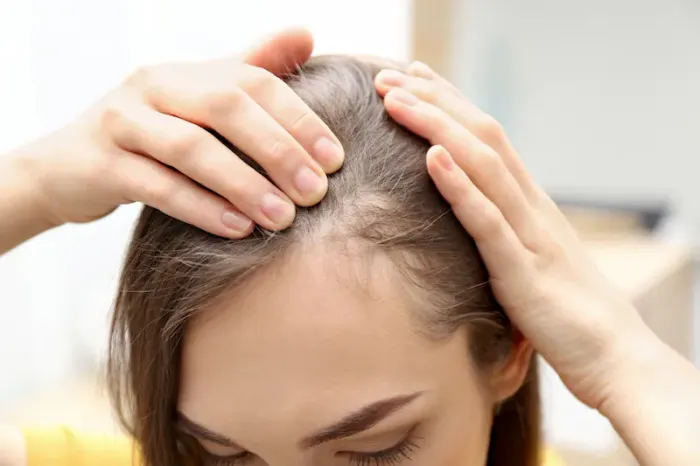
Hair thinning is a common concern that can affect people of all ages and backgrounds. For many, the experience is not only physical but also emotional, making everyday styling and confidence more challenging. The encouraging news is that several practical, science-informed hair thinning remedies can be used safely at home. These approaches focus on nurturing scalp health, strengthening hair strands and addressing internal factors that influence natural hair growth. Understanding why thinning happens helps you choose solutions that genuinely support hair health rather than relying on myths or quick fixes that rarely work.
Health topic carousel:
Consult a Top General Practitioner for Personalised Advice
Why This Matters?
Hair thinning can impact self-esteem and often signals underlying issues such as iron deficiency, hormonal imbalance or long-term stress. When you recognise the root cause early, you can adopt the most effective strategy rather than trying random treatments. Taking a well-informed approach saves time, protects your hair and ensures you support your overall wellbeing.
What Causes Hair Thinning?
Hair thinning can arise from many different triggers. Knowing the cause allows you to choose the right treatment and avoid making problems worse.
Common Causes
• Hereditary hair loss, known as androgenetic alopecia, often leads to gradual thinning along the part line or at the crown.
• Telogen effluvium, a temporary shedding phase that usually appears two to three months after significant stress such as illness, surgery, emotional strain, rapid weight loss or childbirth.
• Hormonal changes, including thyroid issues, menopause, PCOS or postpartum shifts.
• Nutritional gaps involving low iron, protein, vitamin D or zinc. Biotin deficiency is rare but sometimes discussed.
• Scalp conditions like dandruff, seborrhoeic dermatitis, psoriasis or fungal infections.
• Hair care habits involving heat styling, tight hairstyles, chemical processes or harsh brushing.
• Medications or medical treatments that may trigger shedding.
Red Flags
• Sudden bald patches, scarring, pain or persistent itching.
• Rapid shedding lasting longer than six months.
• Patchy loss of eyebrows or beard.
• Symptoms suggesting medical problems such as fatigue, unexpected weight change or menstrual changes.
Proven Hair Thinning Home Remedies
Not all remedies work for every type of thinning. Combining healthy habits with targeted treatments often brings the best results.
Topical Minoxidil
Minoxidil is the strongest evidence-backed at-home treatment for many forms of thinning, especially hereditary causes.
Why It Helps?
• Encourages increased blood flow around hair follicles.
• Extends the growth phase of the hair cycle.
• Helps slow shedding and promotes regrowth for many users.
How To Use It?
• Apply once or twice daily in 2 percent or 5 percent strength as recommended.
• Visible improvement usually appears after three to six months, with fuller results from six to twelve months.
• Ongoing use is necessary to maintain benefits.
Things To Know?
• It may cause scalp irritation or unwanted facial hair if it runs down the skin.
• Not recommended during pregnancy or breastfeeding without medical advice.
Scalp Care and Massage
Supporting scalp health can create a more favourable environment for growth.
Helpful Approaches
• A gentle scalp massage for four to five minutes daily can improve circulation and support thicker-feeling hair with consistent practice.
• Maintain a clean scalp. Those prone to dandruff or oiliness may benefit from anti-dandruff shampoos containing ketoconazole, zinc pyrithione or selenium sulphide.
• Avoid harsh scrubbing, overly hot water and tight hats that can irritate the scalp.
Hair-Care Habits To Reduce Breakage
Daily habits greatly influence how full your hair appears. Minimising breakage helps preserve volume.
Hair-Friendly Habits
• Limit heat styling, or use the lowest effective heat setting and a heat protectant.
• Avoid tight hairstyles such as tight ponytails, braids or heavy extensions.
• Detangle gently with a wide-tooth comb, especially when hair is wet and more fragile.
• Space out chemical treatments to avoid overlapping damage.
• Use light volumising products to give hair a lift without weighing it down.
• Sleep on satin or silk pillowcases to reduce friction and breakage.
Nutrition For Natural Hair Growth
Healthy hair reflects overall nutritional status. A balanced diet supports growth from within.
Essential Nutrients
• Protein: Hair is made from keratin, so include lean meats, fish, dairy, eggs, legumes, tofu, nuts and seeds.
• Iron: Important for preventing shedding. Foods include poultry, red meat, fish, lentils, beans, spinach and iron-fortified grains.
• Vitamin D: Found in fortified foods, eggs and fatty fish. Your clinician may test your level if shedding is persistent.
• Zinc: Available in whole grains, beans, nuts, poultry and shellfish.
• Biotin: True deficiency is uncommon. High doses can disrupt medical tests, so always ask a clinician before supplementing.
Important Note
Do not start supplements like iron without blood tests, as unnecessary supplementation can be harmful.
Stress Management and Sleep
Stress is a well-known trigger for temporary hair shedding. Managing it supports recovery.
Helpful Practices
• Aim for seven to nine hours of sleep each night.
• Incorporate stress-relieving activities such as yoga, walking, mindfulness or time outdoors.
• Avoid restrictive diets, which can trigger shedding.
• Remember that recovery from stress-related shedding may take several months.
Natural Oils and Plant-Based Options
Some plant oils have shown potential, although evidence remains limited.
Popular Options
• Rosemary oil: A small study indicated similar results to 2 percent minoxidil after six months. Always dilute and patch test.
• Pumpkin seed oil: Some early studies show possible benefit, but more research is needed.
• Tea tree oil: Useful for dandruff, but can irritate the skin and must be diluted.
Bottom Line
These may help scalp health, but are not replacements for evidence-backed treatments such as minoxidil.
Low-Level Laser Therapy (LLLT)
Laser combs and caps offer a noninvasive option for hereditary thinning.
What To Expect?
• Research suggests modest improvements with consistent use.
• Devices can be expensive and require long-term commitment.
When To See a Professional?
A clinician can help identify underlying causes and offer tailored treatments. A Clinician may
• Test for thyroid problems, iron deficiency or autoimmune conditions.
• Prescribe treatments such as finasteride for men or spironolactone for some women.
• Provide in-office options including microneedling, PRP or advanced laser treatments.
• Diagnose conditions like alopecia areata, which need prompt care.
A Simple Weekly Routine
It includes:
Morning
• Apply minoxidil if using it.
• Add a lightweight volumising product.
• Use a low heat setting when styling.
Evening
• Gently massage your scalp.
• Use an anti-dandruff shampoo a few nights weekly if needed.
• Detangle slowly with a wide-tooth comb.
Weekly
• Review sleep, stress and nutrition habits.
• Avoid overlapping chemical treatments.
Myths To Skip
• Trimming does not increase growth speed, but it improves appearance by preventing split ends.
• Hats do not cause baldness.
• Shampooing does not cause hair loss; it only shows hair already shed.
Key Takeaways
1. Combine good scalp care, gentle styling, balanced nutrition, stress management, and evidence-based treatments.
2. Minoxidil is the most proven at-home option for hereditary thinning.
3. Consider natural oils cautiously; evidence is limited, and irritation is possible.
4. Seek medical advice for rapid, patchy, or prolonged shedding or if you suspect an underlying condition.
Consult a Top General Practitioner for Personalised Advice
Consult a Top General Practitioner for Personalised Advice

Dr. Gunashree V L
General Physician/ Internal Medicine Specialist
3 Years • MBBS
Bengaluru
Apollo Clinic, JP nagar, Bengaluru

Dr Shivaji Rao
General Physician/ Internal Medicine Specialist
30 Years • MBBS, MD, DNB
Bengaluru
Apollo Clinic, JP nagar, Bengaluru

Dr Suseela
General Physician
5 Years • MBBS
Bengaluru
Apollo Medical Center, Marathahalli, Bengaluru

Dr. Rajib Ghose
General Physician/ Internal Medicine Specialist
25 Years • MBBS
East Midnapore
VIVEKANANDA SEBA SADAN, East Midnapore

Dr. E Prabhakar Sastry
General Physician/ Internal Medicine Specialist
40 Years • MD(Internal Medicine)
Manikonda Jagir
Apollo Clinic, Manikonda, Manikonda Jagir

(225+ Patients)
Consult a Top General Practitioner for Personalised Advice
Dr. Gunashree V L
General Physician/ Internal Medicine Specialist
3 Years • MBBS
Bengaluru
Apollo Clinic, JP nagar, Bengaluru
Dr Shivaji Rao
General Physician/ Internal Medicine Specialist
30 Years • MBBS, MD, DNB
Bengaluru
Apollo Clinic, JP nagar, Bengaluru
Dr Suseela
General Physician
5 Years • MBBS
Bengaluru
Apollo Medical Center, Marathahalli, Bengaluru
Dr. Rajib Ghose
General Physician/ Internal Medicine Specialist
25 Years • MBBS
East Midnapore
VIVEKANANDA SEBA SADAN, East Midnapore
Dr. E Prabhakar Sastry
General Physician/ Internal Medicine Specialist
40 Years • MD(Internal Medicine)
Manikonda Jagir
Apollo Clinic, Manikonda, Manikonda Jagir
(225+ Patients)
More articles from Hair Problems

Frequently Asked Questions
1) What’s the fastest way to improve hair volume at home?
Use a volumising shampoo/conditioner, minimise heavy oils, and blow-dry on low heat with a round brush aimed at the roots. Over time, address causes (nutrition, stress, scalp health) and consider minoxidil for hereditary thinning.
2) Do “natural hair growth” remedies really work?
Some, like gentle scalp care and adequate nutrition, support healthier hair. Plant oils have limited evidence. For proven regrowth in hereditary thinning, topical minoxidil has the strongest data. Expect 3 to 6 months for visible change.
3) Should I take biotin for hair thinning?
Not routinely. True biotin deficiency is rare if you eat a balanced diet. High-dose biotin can skew lab results (like thyroid or heart tests). Ask your clinician before starting supplements.
4) How do I know if my hair loss is from stress or genetics?
Stress-related shedding is usually sudden, diffuse, and starts 2 to 3 months after a trigger (illness, fever, surgery, childbirth). Genetic thinning is gradual, with pattern changes at the crown or along the part. A clinician can confirm and check for medical causes.
5) When will I see results from hair thinning remedies?
Most approaches take time. With minoxidil, look for changes at 3 to 6 months and full results by 6 to 12 months. Stress-related shedding may improve over several months once triggers are managed. Consistency is key.