



Rose Water for Hair: Benefits, How to Use, and DIY Tips
Discover rose water benefits for hair and natural hair care. Learn uses, safe DIY, and tips to soothe scalp and add shine. Evidence-based guidance.

Written by Dr. Vasanthasree Nair
Reviewed by Dr. Dhankecha Mayank Dineshbhai MBBS
Last updated on 13th Jan, 2026
Introduction
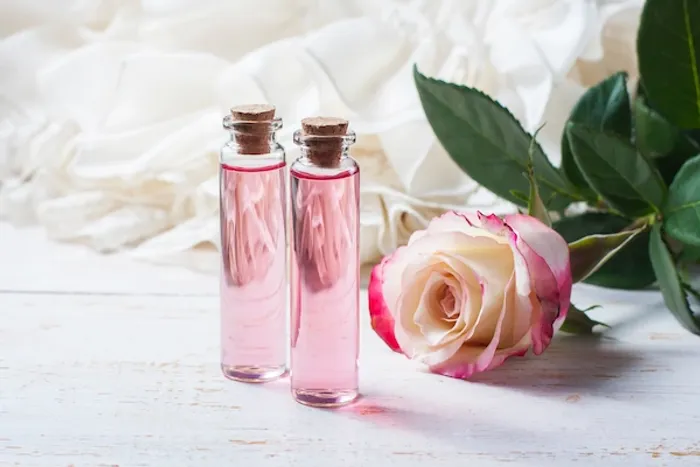
Rose water has become a favourite for many who enjoy simple, natural hair care. Known for its delicate floral scent and lightweight feel, it is often used to refresh the hair between washes, soothe the scalp, and add gentle hydration without weighing strands down. Although its benefits are mostly cosmetic rather than medical, rose water fits easily into a wide range of hair care routines and is appreciated for its versatility and mildness.
This guide explores what rose water is, its practical uses, realistic rose water benefits, how to apply it safely, and how to prepare a clean DIY version at home. You’ll also learn when it’s time to seek professional advice, especially if you’re experiencing persistent scalp concerns.
What Is Rose Water?
Rose water is produced by steam-distilling rose petals—often Rosa damascena—or by steeping the petals in water. The result is a fragrant, mildly acidic hydrosol often used in beauty and personal care. Unlike rose essential oil, which is highly concentrated and must be diluted before skin or scalp application, rose water is gentle enough for direct use in most cases.



Key Takeaways
- Rose water is a gentle, water-based floral distillate, also known as a hydrosol.
- It is commonly used to refresh both hair and scalp, adding a light, clean fragrance.
- Evidence for medical benefits is limited; think of rose water as a cosmetic product, not a treatment for scalp conditions.
Rose Water Benefits for Hair and Scalp
Interest in rose water benefits continues to grow, especially among those who favour natural, minimalist hair care. While clinical studies are limited, many users appreciate the following qualities:
Lightweight refresher:
A fine mist of rose water can rehydrate dry-looking strands between wash days and help reduce the appearance of frizz without creating heaviness.
Soft, natural fragrance:
Rose water provides a subtle floral scent without harsh alcohols or synthetic perfumes that may dry out or irritate hair.
Scalp-soothing feel:
Some people report that rose water feels calming on a tight or itchy scalp, especially after styling, tension or exposure to dry indoor air.
Oil-balancing sensation:
Used as a scalp toner, it may help your hair and scalp feel cleaner between washes.
Curl revival:
For curly and wavy patterns, a mist of rose water can help reactivate products and bring back definition in curls or coils.
Important Reality Check
These benefits are cosmetic, not medical. Rose water does not treat dandruff, eczema, psoriasis, folliculitis, infections, or hair loss. Ongoing redness, flaking, tenderness, or excessive shedding should be evaluated by a clinician.
What the Science Says (and What It Doesn’t)?
Although rose water is widely used, scientific evidence for therapeutic effects on the scalp is limited. Understanding what it can’t do helps you use it safely.
Dandruff and Flaky Scalp
- Dandruff is linked to an overgrowth of Malassezia yeast and inflammation.
Effective treatments include antifungal shampoos containing:
- Ketoconazole
- Selenium sulphide
- Zinc pyrithione
- Rose water may feel soothing, but is not a proven dandruff treatment.
(Harvard Health)
Seborrhoeic Dermatitis and Other Scalp Conditions
- Conditions like seborrhoeic dermatitis, psoriasis, or folliculitis require targeted care.
- Rose water may provide comfort, but will not address underlying factors.
(Cleveland Clinic)
Scalp Infections
- Fungal infections such as ringworm require prescription antifungals.
- Home remedies alone are not sufficient.
(CDC)
Allergies and Sensitivity
- Even mild products can trigger contact dermatitis in sensitive individuals.
- Patch testing is recommended before full use.
(Mayo Clinic, AAD)
Bottom Line
- Rose water is best viewed as a soothing, aromatic cosmetic, not a medical treatment. For scalp conditions, seek evidence-based care from a clinician.
How to Use Rose Water for Hair
Choosing the right product is key. Look for pure rose hydrosols labelled as “Rosa damascena flower water” with minimal additional ingredients. For sensitive scalps, select formulations that are alcohol-free, dye-free, and fragrance-free.
1) Final Rinse After Shampoo
- Pour 1–2 cups of rose water over freshly washed and conditioned hair.
- Use plain or dilute 1:1 with distilled water.
- Gently squeeze out excess water and either leave it in or finish with a brief cool-water rinse.
- Benefits: Softens the hair, adds a fresh scent, and provides light hydration.
2) Scalp Toner
- Apply rose water to a cotton pad and lightly dab along the scalp.
- Alternatively, mist roots with a spray bottle and allow to air dry.
- Benefits: Helps the scalp feel calm and refreshed between shampoos.
3) Leave-In Mist
- Fill a spray bottle with rose water.
- Optional: mix with a small amount of leave-in conditioner for extra slip.
- Lightly mist from mid-lengths to ends, avoiding oversaturation.
- Benefits: Adds moisture, revives dull strands, and provides a gentle scent.
4) Curl and Coil Refresher
- Mist rose water on day-2 or day-3 curls.
- Scrunch to encourage definition.
- Add a small amount of styling cream or gel if needed.
- Benefits: Helps reactivate products and refresh curl patterns.
5) Mix-In with Conditioner
- Add one spoonful of rose water to your conditioner in your palm.
- Mix, apply, and rinse as usual.
- Benefits: Enhances scent and adds a light, hydrating feel.
DIY Rose Water for Hair: Safe and Simple
If you enjoy DIY products, rose water is relatively easy to make. To prevent spoilage, keep batches small and stored properly.
What do You Need?
- 1 cup distilled water
- 1 cup dried, food-grade rose petals
- or 2 cups fresh, well-rinsed petals
- Clean pot
- Fine strainer or cheesecloth
- Sanitised glass bottle with a tight lid
Steps
It includes:
Heat and Steep:
- Bring distilled water to a gentle simmer. Remove from heat, add petals, cover, and steep for 20–30 minutes.
Strain:
- Allow to cool, then strain the mixture to remove petals and plant material.
Store:
- Transfer to a clean, airtight glass bottle. Label with the date.
Keep it Fresh:
- Refrigerate and use within 5–7 days. Discard immediately if the colour, clarity, or smell changes.
Optional Additions
- A small amount of vegetable glycerin can add slip when used on lengths.
- Avoid adding oils or essential oils to the main bottle unless well-versed in safe dilution and preservation.
Safety Tips and Who Should Avoid Them?
Let us see who should avoid them:
Patch Test First
- Apply a small amount behind the ear or on the inner forearm.
- Repeat for 2–3 days.
- Discontinue if any irritation appears.
Fragrance Sensitivity
- Individuals sensitive to fragrance should choose unscented products and may need to avoid rose water altogether.
Scalp Conditions
- Persistent flaking, redness, swelling, or tenderness requires professional assessment.
- Rose water cannot treat infections or inflammatory disorders.
Colour-Treated Hair
- Most pure rose waters are gentle and alcohol-free, making them generally suitable.
- Always test on a small section first.
Children and Pets
- Keep DIY products out of reach.
- Do not use on children’s scalps when infection or rash is present without medical advice.
When Rose Water May Not Be Enough?
Consider seeking expert care if you notice:
- Thick, persistent flakes with itching
- (possible seborrhoeic dermatitis)
- Circular patches of hair loss with broken hairs
- (possible fungal infection)
- Burning, stinging, or rash after new products
- (possible contact dermatitis)
- Ongoing shedding, widening part, or receding hairline
- (may require evaluation for hair loss causes)
How to Choose a Quality Rose Water
Let us know how to choose quality rose water:
What to Look For
- Clear labelling such as “Rosa damascena flower water” or “rose hydrosol”.
- Short, simple ingredient lists.
- Alcohol-free and dye-free formulations for sensitive scalps.
Packaging
- Amber or opaque bottles help protect the hydrosol from light.
- A fine-mist sprayer ensures even distribution.
Brand Transparency
- Look for brands that clearly state ingredient sources and manufacturing methods.
Tips to Get the Most from Rose Water in Natural Hair Care
The tips include:
- Use on damp hair: This helps reduce frizz and enhances softness.
- Pair with a leave-in: A small amount of your usual leave-in can help lock in moisture.
- Avoid over-misting: Too much water can create frizz, especially in humidity.
- Clean your tools: Wash spray bottles regularly, particularly when using DIY rose water.
- Track your routine: Note your hair’s response over 2–3 weeks and adjust usage.
Conclusion
Rose water offers a gentle, fragrant way to refresh the hair and soothe the scalp, making it a popular addition to natural hair care routines. Its benefits are largely cosmetic, providing softness, hydration, and a pleasant scent. While it can enhance everyday hair care, it should not replace medical treatments for persistent scalp conditions or hair loss. Regular patch testing, mindful product selection, and proper hygiene are key to safe use. With thoughtful application, rose water can be a simple, enjoyable step in maintaining healthy-looking hair.
More articles from Hair Problems



Frequently Asked Questions
Does rose water make hair grow faster?
There is no strong evidence that rose water accelerates hair growth. It can make hair feel softer and fresher, but it does not replace proven treatments for hair loss.
Can I use rose water every day?
Many people can use it daily. However, if your hair becomes dry or frizzy, reduce frequency or follow with a small amount of leave-in conditioner.
Is rose water the same as rose essential oil?
No. Rose water is a diluted hydrosol, whereas rose essential oil is highly concentrated and must be diluted properly to avoid irritation.
Will rose water help dandruff?
No. Dandruff typically requires antifungal or medicated shampoos. Rose water may soothe, but it will not resolve underlying causes.
Is DIY rose water safe?
Yes—when made with distilled water, clean equipment, refrigeration, and used within 5–7 days.