

Guide to Hair Care Monsoon
Discover essential hair care tips for the monsoon season. Learn how to prevent frizz, dandruff, and hair damage with our expert guide.

Written by Dr. Rohinipriyanka Pondugula
Reviewed by Dr. Shaik Abdul Kalam MD (Physician)
Last updated on 13th Jan, 2026
Introduction
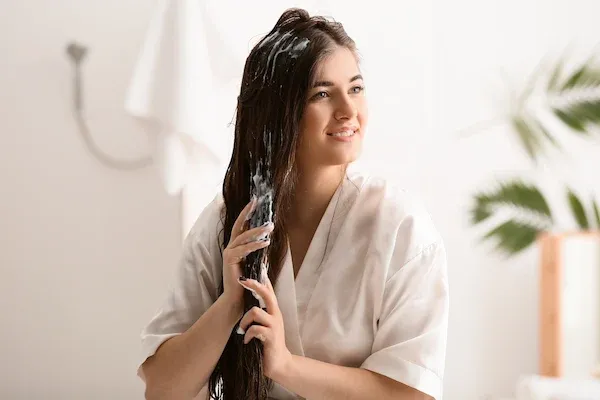
The pitter-patter of rain brings relief from the scorching summer heat, but for your hair, the monsoon can be a season of turmoil. If you find your hair becoming limp, frizzy, greasy, or prone to unexpected hair fall, you're not alone. The high humidity levels, coupled with increased sweat and environmental pollutants, create a perfect storm for common hair care challenges. This comprehensive guide is your go-to resource for navigating the monsoon months with confidence. We'll move beyond basic tips to explore the science behind your hair's behavior, build a tailored hair care routine, debunk common myths, and provide expert-backed strategies to keep your locks strong, shiny, and healthy. Whether you're battling an oily scalp or fighting unmanageable frizz, this article will equip you with everything you need to enjoy the rains without compromising your hair's health.
Why Your Hair Hates the Monsoon?: The Science Behind the Struggle
Understanding the "why" is the first step to an effective solution. The monsoon environment poses unique challenges that disrupt your hair's natural balance.
High Humidity and the Frizz Factor
Humidity is the amount of water vapor in the air. Your hair shaft is porous and readily absorbs moisture from its surroundings. On a humid day, each strand swells as it absorbs excess water. This disrupts the hydrogen bonds that give your hair its shape, causing the cuticle (the outer layer) to lift. This lifted cuticle is what we see as frizz – a fuzzy, rough, and unmanageable texture. This is a primary reason why managing frizz in humid weather becomes a top priority.
Scalp Infections and Increased Hair Fall
The damp and warm conditions are a breeding ground for bacteria and fungi. A sweaty scalp, combined with residual moisture, creates an ideal environment for conditions like dandruff and fungal infections. These can cause itching, flaking, and inflammation, which weakens the hair follicles. This weakening is a major contributor to the increase in hair fall during the rainy season. Furthermore, the humidity can make sebum (natural scalp oil) feel heavier and greasier, attracting more dirt and grime.
The Impact of Hard Water and Pollutants
Rainwater, while pure initially, can pick up atmospheric pollutants. When this water collects and is supplied to our homes, it may contain minerals that make it "hard." Hard water can leave a mineral residue on your hair and scalp, making it feel dry, brittle, and dull. It can also prevent shampoos from lathering properly, leading to inadequate cleansing.
Consult an Dermatologist
Building Your Perfect Monsoon Hair Care Routine
A consistent, thoughtful routine is your best defense against monsoon woes. It's about balancing cleansing with protection.
Shampooing: How Often and What to Use?
Contrary to popular belief, you may need to shampoo more frequently in the monsoon, especially if you have an oily scalp. Aim for 3-4 times a week to prevent oil and dirt buildup. The key is to use a gentle, clarifying shampoo.
Key Ingredients to Look For
Opt for shampoos containing:
Tea Tree Oil or Neem: Natural antifungals and antibacterials that keep the scalp clean.
Salicylic Acid: Gently exfoliates the scalp, removing dead skin cells and flakes.
Citrus Extracts (Lemon, Orange): Help balance scalp pH and add freshness.
Avoid heavy, creamy shampoos designed for dry hair, as they can weigh hair down.
The Monsoon Conditioning Conundrum
Conditioning is non-negotiable, but the type matters. Always condition from the mid-lengths to the ends of your hair, avoiding the scalp. This prevents adding extra weight and oil to the roots. Use a lightweight conditioner that provides hydration without heaviness. Look for terms like "volumizing" or "balancing" on the label.
The Non-Negotiable Step: Deep Conditioning Once a Week
While daily conditioning is light, a weekly deep conditioning treatment is crucial to combat the dryness caused by frequent washing and humidity. A 20-minute mask with ingredients like argan oil, keratin, or shea butter can replenish lost moisture and strengthen hair strands, reducing breakage.
Monsoon Hair Styling: Dos and Don'ts
How you style your hair can significantly impact its health during this season.
Protective Hairstyles to Minimize Damage
Tight ponytails and buns can cause breakage, especially when hair is in its most vulnerable wet state. Opt for loose braids, low buns, or chic hair clips. These protective hairstyles for the rainy season minimize friction, reduce exposure to humid air (thus controlling frizz), and prevent tangling.
Tools and Products to Avoid
Heat Styling: Give your blow dryer and straightener a break. Let your hair air dry as much as possible. If you must use heat, always apply a heat protectant spray first.
Heavy Serums and Oils: Avoid applying heavy oil or serum all over your hair. Instead, use a tiny amount of a silicone-free serum or a light hair mist just on the ends to tame flyaways.
Diet and Lifestyle Tips for Stronger Hair from Within
Healthy hair starts from within. Ensure your diet is rich in:
Proteins: Hair is made of keratin, a protein. Include eggs, lentils, and lean meats.
Iron and Zinc: Deficiencies in these can lead to hair loss. Eat spinach, nuts, and seeds.
Omega-3 Fatty Acids: They nourish the hair shaft and scalp. Found in walnuts, flaxseeds, and fish.
Stay hydrated by drinking plenty of water to flush out toxins.
Monsoon Hair Care Myths Debunked
Myth 1: "You shouldn't oil your hair in monsoon." Fact: A light, non-sticky oil massage (like jojoba or almond oil) an hour before shampooing can nourish the scalp. Avoid leaving oil on overnight.
Myth 2: "Trimming hair makes it grow faster." Fact: Trimming doesn't affect growth rate from the roots, but it prevents split ends from traveling up the hair shaft, leading to healthier-looking, longer hair over time.
Myth 3: "More shampoo equals cleaner hair." Fact: A coin-sized amount is usually sufficient. Over-shampooing can strip natural oils, causing the scalp to produce more oil to compensate.
Conclusion
Navigating the monsoon season doesn't have to mean a compromise on your hair care goals. By understanding the environmental factors at play and adopting a targeted routine, you can effectively combat frizz, prevent scalp infections, and reduce unnecessary hair fall. Remember, consistency is key. Shift to lighter products, be gentle with your styling, and nourish your body with the right nutrients. If you experience severe scalp itching, redness, or persistent hair loss that doesn't improve with these care tips, it might be time to seek professional advice. You can consult a dermatologist online with Apollo 24|7 for a personalized evaluation and treatment plan. Embrace the rains with confidence, knowing your hair is well-protected and cared for.
Consult an Dermatologist
Consult an Dermatologist

Dr. S Madhuri
Dermatologist
10 Years • MBBS, MD. DVL, DNB, Fellow (Dermatosurgery & Lasers)
Secunderabad
Apollo Hospitals Secunderabad, Secunderabad
(425+ Patients)

Dr. Mayuri Jain
Dermatologist
11 Years • MBBS, MD Dermatology , Venereology & Leprosy
Delhi
Dr Mayuri Jain Clinic, Delhi

Dr Monisha B
Dermatologist
10 Years • MBBS,MD DERMATOLOGY:VENEREOLOGY&LEPROSY
Bengaluru
Apollo Clinic, Sarjapur Road, Bengaluru
Dr. Somshukla Ray
Dermatologist
10 Years • MBBS, MD (Dermatology,Venerology & Leprosy), DNB (Dermatology,Venerology & Leprosy)
Kolkata
MCR SUPER SPECIALITY POLY CLINIC & PATHOLOGY, Kolkata
Dr. Sushil Singh
Dermatologist
6 Years • MBBS, MD (DVL)
Kolkata
MCR SUPER SPECIALITY POLY CLINIC & PATHOLOGY, Kolkata
More articles from Hair Problems


Frequently Asked Questions
1. How can I dry my hair quickly without a blow dryer in monsoon?
Gently squeeze out excess water with a soft microfiber towel instead of a rough cotton one. Microfiber absorbs water much faster and causes less friction, reducing frizz. Then, let it air dry in a well-ventilated area.
2. Is it okay to use dry shampoo during the rainy season?
Dry shampoo can be a quick fix to absorb oil at the roots between washes. However, use it sparingly. Overuse can lead to product buildup and clogged hair follicles, potentially worsening scalp issues. It's not a substitute for a proper wash.
3. What is the best home remedy for an itchy scalp in humidity?
A mixture of apple cider vinegar and water (1:2 ratio) can be effective. After shampooing, pour this solution over your scalp, leave it on for 2-3 minutes, and then rinse thoroughly. Its acidic nature helps restore scalp pH and has antifungal properties. If the itching is severe or accompanied by redness, consult a doctor online with Apollo 24|7.
4. Why does my hair feel greasy faster in the monsoon?
High humidity increases sweat production on your scalp. This sweat mixes with your scalp's natural sebum, making it feel greasy and heavy more quickly than in drier weather.
5. Can I color my hair during the monsoon?
It's best to avoid major chemical treatments like coloring just before or during the peak monsoon. The humid air can affect the coloring process, and wet hair is more porous and vulnerable to damage from chemicals.