



Thinning Hair: Top 6 Grooming Mistakes to Avoid
Thinning hair? Avoid these 6 hair care mistakes. Learn common thinning hair causes and simple steps to prevent hair loss safely.

Written by Dr. M L Ezhilarasan
Reviewed by Dr. Rohinipriyanka Pondugula MBBS
Last updated on 14th Jan, 2026
Introduction
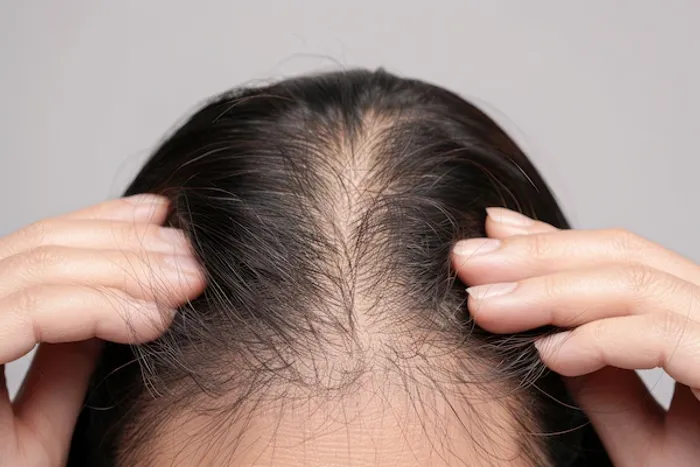
Noticing more hair in your brush or seeing your part line widen can be unsettling. Hair thinning affects both women and men, often appearing gradually until the change becomes noticeable enough to cause concern. Because hair plays a significant role in identity, confidence, and self-expression, even small changes can trigger stress. What many people do not realise is that thinning hair can reflect a combination of genetics, lifestyle factors, medical issues, and everyday hair care choices. By understanding thinning hair and recognising the simple hair care mistakes that accelerate damage, you can take meaningful steps to protect your scalp, reduce breakage, and support healthier growth. The encouraging news is that small, consistent adjustments to your routine can noticeably improve how your hair looks and feels over time.
Consult a Top General Practitioner for Personalised Advice
Understanding Thinning Hair Causes
Before exploring the grooming habits that worsen hair thinning, it is important to understand why hair loss occurs in the first place. Multiple factors may contribute, and several can overlap.
Common Contributing Factors
- Genetics
- Temporary shedding after illness, stress, childbirth, or weight loss
- Medical conditions such as thyroid disease or iron deficiency
- Medications including chemotherapy
- Traction from tight hairstyles and tension over time
Why This Matters?
Some causes are unavoidable, such as genetics, while others are manageable through healthier habits. By identifying avoidable forms of damage, you can help preserve hair density and prevent further thinning. The six common mistakes below often go unnoticed, yet they play a significant role in how full or thin your hair appears.
Top 6 Hair Care Mistakes
Mistake 1: Wearing Tight Hairstyles
What Goes Wrong?
Tight ponytails, buns, braids, extensions, cornrows, locs, and weaves place constant tension on the hair follicle. Over time, this repetitive strain can weaken the follicle and lead to traction alopecia, especially around the edges and temples. Early warning signs often include tenderness, bumps, thinning edges, and increased breakage where the hair is pulled the tightest. If the tension continues for a long period, the damage can become irreversible, resulting in permanent thinning.
How To Fix It?
- Loosen hairstyles and alternate between low tension options
- Give extensions and protective styles regular breaks
- Use soft ties such as satin or silk scrunchies
- Avoid glues along the hairline where the skin is delicate
- Watch for red flags like pain or thinning and seek dermatology advice early
Mistake 2: Excess Heat Styling
What Goes Wrong?
Heat tools weaken the protective outer layer of the hair shaft. Repeated exposure to high temperatures from flat irons, blow dryers, curling wands, or hot combs breaks down the cuticle, making the strand more vulnerable to dryness, split ends, and mid-shaft breakage. Even if the follicles remain healthy, broken strands can create the appearance of thinner and uneven hair.
How To Fix It
- Use the lowest effective heat setting
- Avoid styling with heat every day
- Apply a heat protectant to damp hair before using any hot tool
- Allow hair to air-dry partially before blow-drying
- Keep tools clean to prevent hot spots that scorch the hair
Mistake 3: Frequent Harsh Treatments
What Goes Wrong?
Chemical treatments such as bleaching, hair colouring, relaxing, perming, and chemical straightening alter the hair’s internal structure. Repeated processing, especially when treatments overlap, leaves hair porous, fragile, and more likely to snap. Chemical irritation or burns on the scalp can also harm follicles, contributing to long-term thinning.
How To Fix It?
- Increase the time between chemical treatments
- See a licensed professional rather than attempting strong chemicals at home
- Strengthen hair with protein and moisture treatments as directed on product labels
- Avoid overlapping relaxers or bleach on previously treated hair
- Apply chemicals only to new growth when appropriate
Mistake 4: Rough Washing, Drying and Detangling
What Goes Wrong?
Hair is most vulnerable when wet. Vigorous scrubbing, towel rubbing, and pulling through knots can cause strands to stretch beyond their elasticity and break. Repeated mechanical damage creates thin, wispy ends and contributes to the overall appearance of reduced density.
How To Fix It?
- Massage gently with fingertips rather than nails
- Allow shampoo to cleanse the scalp while letting the lather run down the lengths
- Apply conditioner to mid-lengths and ends to reduce friction
- Detangle with a wide-tooth comb, starting from the ends
- Blot hair dry with a soft T-shirt or microfibre towel
- Sleep on a satin or silk pillowcase to reduce overnight friction
Mistake 5: Skipping Scalp Care And Ignoring Flakes
What Goes Wrong?
The scalp is the foundation for healthy hair growth. Buildup from oils, products, sweat, or flakes can suffocate the follicle environment, contributing to shedding or dullness. Chronic dandruff, itch, or inflammation may also cause increased breakage. Persistent scratching further damages the skin and can break hair close to the root.
How To Fix It?
- Shampoo according to your scalp type
- Use medicated shampoos when dealing with dandruff or seborrhoeic dermatitis
- Avoid scratching and treat the underlying irritation
- Seek professional advice for symptoms like redness, thick scale, pain, or persistent inflammation
Mistake 6: Waiting Too Long And Relying On Fake Fixes
What Goes Wrong?
Delaying treatment allows certain forms of hair loss to progress. At the same time, many people spend time and money on unproven oils, gummies, or gadgets that offer little benefit. High-dose supplements such as biotin are not proven to regrow hair for most people, and excessive intake can interfere with medical testing.
How To Fix It?
- Seek professional evaluation early if you notice thinning, shedding, or pattern changes
- Use supplements only when a deficiency is confirmed or a clinician advises them
- Focus on evidence-based options such as topical minoxidil when appropriate
- Inform your healthcare provider about all supplements you take
Daily Habits To Prevent Hair Loss
Small, consistent adjustments in your routine can support healthy growth and reduce avoidable damage.
Practical Everyday Tips
- Choose gentle shampoos and conditioners suitable for your scalp and hair type
- Limit heat use and apply protectant when styling
- Wear looser hairstyles and avoid daily traction
- Eat enough protein and balanced meals rich in nutrients
- Manage stress and prioritise sleep
- Protect your scalp from harsh sun exposure
- Review medications with your clinician if hair changes occur
- See a dermatologist early to rule out treatable causes
When To See a Doctor?
Seek a doctor's advice when:
- Sudden or patchy hair loss
- Clumps of hair falling out
- Scalp pain, sores, redness, or inflammation
- A widening part, receding hairline, or thinning at the crown
- Other symptoms, such as fatigue or brittle nails
- Questions about starting or stopping treatments
Conclusion
Hair thinning can feel overwhelming, but understanding the common causes and avoiding damaging habits can significantly improve the health and appearance of your hair. By adopting gentler styling practices, caring for your scalp, and recognising early signs of traction or irritation, you can help protect your follicles and prevent unnecessary breakage. Acting early and seeking professional advice when changes persist is key to maintaining long-term hair health. With consistent care and informed choices, you can support stronger, fuller-looking hair over time.
Consult a Top General Practitioner for Personalised Advice
Consult a Top General Practitioner for Personalised Advice

Dr. Rajib Ghose
General Physician/ Internal Medicine Specialist
25 Years • MBBS
East Midnapore
VIVEKANANDA SEBA SADAN, East Midnapore

Dr. Ashita Kuruvilla
General Practitioner
7 Years • MBBS
Kolkata
KVC CLINIC, Kolkata

Dr. Abhirup Chakrabarti
General Practitioner
10 Years • MBBS
Chennai
Dr Abhirup Chakrabarti, Chennai

Dr. Anand Ravi
General Physician
2 Years • MBBS, FEM
Bengaluru
PRESTIGE SHANTHINIKETAN - SOCIETY CLINIC, Bengaluru

Dr. Rashmi Wadhwa
General Practitioner
35 Years • MBBS
South Delhi
RASHMI WADHWA'S CLINIC, South Delhi

(75+ Patients)
Consult a Top General Practitioner for Personalised Advice
Dr. Rajib Ghose
General Physician/ Internal Medicine Specialist
25 Years • MBBS
East Midnapore
VIVEKANANDA SEBA SADAN, East Midnapore
Dr. Ashita Kuruvilla
General Practitioner
7 Years • MBBS
Kolkata
KVC CLINIC, Kolkata
Dr. Abhirup Chakrabarti
General Practitioner
10 Years • MBBS
Chennai
Dr Abhirup Chakrabarti, Chennai
Dr. Anand Ravi
General Physician
2 Years • MBBS, FEM
Bengaluru
PRESTIGE SHANTHINIKETAN - SOCIETY CLINIC, Bengaluru
Dr. Rashmi Wadhwa
General Practitioner
35 Years • MBBS
South Delhi
RASHMI WADHWA'S CLINIC, South Delhi
(75+ Patients)
More articles from Hair Problems


Frequently Asked Questions
What Are The Most Common Thinning Hair?
Hereditary hair loss is the most frequent cause. Other contributors include temporary shedding from stress or illness, traction from tight hairstyles, thyroid disorders, iron deficiency, medications, and autoimmune conditions. A dermatologist can help identify the specific cause in your case.
Does Washing My Hair Every Day Cause Hair Loss?
No. Washing does not cause hair loss. Hairs that have already shed may fall out in the shower, which can make it seem like washing is the problem. If your scalp is oily, frequent washing may actually improve comfort and scalp health.
Can Tight Hairstyles Really Cause Permanent Hair Loss?
Yes. Long-term traction from tight styles can damage follicles and lead to permanent hair loss if not addressed early. Loosening styles and reducing tension can reverse early signs.
Will Biotin Or Other Supplements Regrow My Hair?
Most people do not need extra biotin. Unless you have a confirmed deficiency, biotin has not been shown to regrow hair. High doses can also interfere with certain lab tests. Consult a clinician before taking supplements.
What Can I Do Today To Prevent Hair Loss From Getting Worse?
Follow the tips below:
- Reduce tight hairstyles
- Use heat protectant and limit hot tools
- Treat dandruff and scalp irritation
- Manage stress and eat a balanced diet
- Consider early dermatology evaluation