



Is Hair Transplant Safe Research & Efficacy Guide
Your evidence-based guide to hair transplant safety, hair restoration options, and cosmetic surgery risks—what to expect, how to prepare, and how to choose a surgeon.
Written by Dr. Mohammed Kamran
Reviewed by Dr. Rohinipriyanka Pondugula MBBS
Last updated on 14th Jan, 2026
Introduction
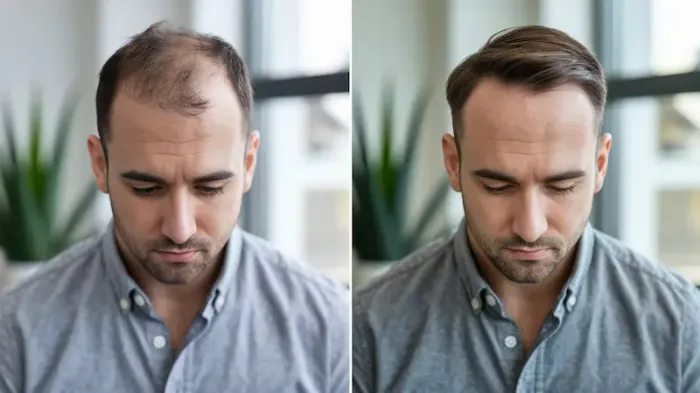
Thinking about a hair transplant? You’re not alone. As more people explore hair restoration, questions about hair transplant safety and potential cosmetic surgery risks naturally arise. A hair transplant is a medical procedure, and like any procedure, it works best when you fully understand how it’s performed, what the evidence shows, what risks exist, and how to prepare properly. This guide walks you through the process step by step, helping you make informed decisions, set clear expectations, and choose a qualified surgeon. You will also learn how to prepare before surgery and how to recover safely so you can achieve the best results possible.
What Is a Hair Transplant?
A hair transplant is a surgical procedure that relocates hair follicles from a donor site—typically the back or sides of the scalp—to thinning or balding areas. These donor follicles are genetically more resistant to pattern hair loss, which is why they are selected for transplantation. The treatment is widely used for people with androgenetic alopecia and can produce natural, lasting coverage when performed correctly.
Consult a Top Dermatologist
Two main techniques are used:
• FUT (Follicular Unit Transplantation): A narrow strip of scalp is removed from the donor area, and grafts are separated under magnification. Although it may leave a linear scar, it can provide a large number of grafts in a single session.
• FUE (Follicular Unit Excision/Extraction): Individual follicular units are removed using tiny circular punches. Scarring appears as small dots spread across the donor region, and many patients find recovery time shorter.
Both techniques use local anaesthesia, and most people return home the same day. Your surgeon will recommend the most suitable approach based on your scalp characteristics, donor supply, and aesthetic goals.
Is Hair Transplant Safe? What Evidence say?
When carried out by an experienced surgeon in a well-regulated medical facility, hair transplants are generally safe. Complications are possible, but serious events are rare. Clinics that follow proper sterilisation protocols, maintain consistent surgical checklists, and employ trained teams report high levels of patient satisfaction. Most people achieve reliable, long-lasting improvement when surgery is combined with ongoing medical therapy to protect remaining hair.
What Does Research Say About Efficacy?
• Hair transplants relocate living follicles, so they grow naturally once established in the new area.
• Transplanted hairs typically shed early on, which is normal. They then enter a new growth cycle.
• Most patients begin noticing new growth around 3–4 months, with full maturity between 9–12 months.
• Complementary treatments such as finasteride (for men) and minoxidil can strengthen non-transplanted hair and help maintain a fuller look.
• Outcomes depend heavily on surgeon skill, donor hair density, curl pattern, colour contrast, and your dedication to aftercare instructions.
What Results Can You Expect?
• A natural appearance requires careful planning of the hairline, angle, and density of grafts.
• Transplanted follicles generally retain their resistance to future thinning; however, other areas of your scalp may continue losing hair.
• Some people require more than one session, depending on the extent of hair loss and the long-term plan.
• Most people resume light activity within a few days, although full cosmetic recovery takes months.
Cosmetic Surgery Risks In Hair Transplantation
Even though a hair transplant is minimally invasive compared with many cosmetic procedures, it does involve surgery. Understanding potential risks helps you prepare mentally and practically.
More common, usually temporary:
• Swelling of the forehead or scalp
• Mild discomfort or tenderness
• Temporary numbness or tightness
• Crusting and scabbing around grafts
• Short-term shedding (“shock loss”) of surrounding hairs
Less common:
• Infection in donor or recipient areas
• Bleeding or small hematomas
• Folliculitis (inflamed follicles)
• Visible scarring (linear in FUT; dot-like in FUE), especially in people prone to keloids
Rare:
• Reduced graft survival in some areas
• Uneven or unnatural appearance if placement is poor
• Localised skin damage from overly dense packing
• Allergic reactions or complications linked to medications or anaesthesia
Your personal risk profile depends on your health, smoking status, medications, and adherence to both pre- and post-operative instructions.
Who Is A Good Candidate For Hair Restoration?
A good candidate should show the following qualities:
• Adults with male or female pattern hair loss and adequate donor density.
• Individuals who understand the procedure’s limitations and maintain realistic expectations.
• People with stable patterns of loss or those willing to use medical therapy to support long-term stability.
• Individuals without uncontrolled medical issues that would increase surgical risk.
Special Considerations
• Women can be suitable candidates but require a thorough diagnostic evaluation to rule out diffuse thinning or medical causes.
• Scarring alopecias must be properly diagnosed; active disease needs treatment before surgery.
• Very young people may need conservative planning to avoid premature donor depletion.
How To Choose A Qualified Surgeon?
Tips to choose a qualified surgeon:
• Credentials: Look for board-certified dermatologists or plastic surgeons with formal training in hair restoration.
• Experience: Ask how many procedures they perform and whether they have experience with your hair type and pattern.
• Facility Standards: Confirm that the clinic follows strict infection control and has dedicated surgical spaces.
• Portfolio: Review consistent, standardised before-and-after photos showcasing natural results.
• Planning: A good surgeon will discuss graft numbers, donor preservation, hairline design, and long-term expectations.
• Informed Consent: You should receive a transparent explanation of risks, alternatives, pricing, and the possible need for future surgeries.
• Aftercare: Reliable clinics offer clear post-operative instructions and accessible follow-up support.
Surgery and Support For Recovery
Before Surgery
• Share your full health history, including supplements and medications.
• Stop smoking and vaping if possible, as nicotine restricts blood flow and slows healing.
• Stabilise chronic conditions such as blood pressure or blood sugar.
• Follow pre-operative guidance regarding hair length, scalp cleansing, and any prescribed medication.
After Surgery
• Keep the scalp clean and follow washing techniques exactly as instructed.
• Sleep with your head elevated for several nights to minimise swelling.
• Avoid strenuous workouts, heavy lifting, and prolonged sun exposure.
• Do not scratch or pick at healing grafts.
• Contact your clinic if you notice spreading redness, warmth, pus, fever, or worsening pain.
Alternatives & Complements For Hair Restoration
The alternative and complements for hair restoration:
1. Medications
Minoxidil helps reduce shedding and supports growth.
Finasteride can slow androgen-driven hair thinning in men.
2. Low-Level Light Devices
Some people experience modest thickening, though evidence varies.
3. PRP (Platelet-Rich Plasma)
Early studies show potential improvement in density, but protocols and outcomes differ.
4. Non-Surgical Cosmetic Options
Scalp micropigmentation, hair fibres, or hair systems provide visual enhancement without surgery.
Costs and Medical Tourism
Tips for cost and medical tourism includes:
• Prices vary depending on technique, graft numbers, and surgeon expertise. Extremely low prices may indicate inadequate standards.
• If travelling abroad for surgery, research thoroughly: The surgeon’s qualifications, safety protocols, communication quality, and aftercare.
• Consider how complications will be handled once you return home, as continuity of care is essential.
Practical Takeaways
• Hair transplants offer long-lasting, natural results in suitable candidates.
• Choosing a skilled surgeon and reputable clinic significantly reduces risks.
• Surgery works best alongside medical therapy and long-term planning.
• Good preparation, realistic expectations, and careful aftercare support the safest experience.
Consult a Top Dermatologist
Consult a Top Dermatologist

Dr. Sonal Jain
Dermatologist
9 Years • MBBS, MD Dermatology, Venerology & Leprosy
Kolkata
MCR SUPER SPECIALITY POLY CLINIC & PATHOLOGY, Kolkata

(25+ Patients)

Dr. Kaushiki Hajra
Dermatologist
5 Years • MBBS,MD(D V & L)
Kolkata
VDC Clinic, Kolkata
(100+ Patients)

Dr. Madhab Datta
Dermatologist
7 Years • MBBS, MD (DVL)
Kolkata
Dr. Madhab Datta's Clinic, Kolkata

Dr. Sree Lalitha V
Dermatologist
9 Years • MBBS, DDVL , FRGUHS , Fellowship in Cosmetology. Fellowship in Dermatosugery - national skin centre ,Singapore. University medal holder in postgraduation and national scholarship in IADVL dermacon 2017
Bengaluru
Apollo Medical Center, Marathahalli, Bengaluru

Dr. Mayuri Jain
Dermatologist
11 Years • MBBS, MD Dermatology , Venereology & Leprosy
Delhi
Dr Mayuri Jain Clinic, Delhi
Consult a Top Dermatologist
Dr. Sonal Jain
Dermatologist
9 Years • MBBS, MD Dermatology, Venerology & Leprosy
Kolkata
MCR SUPER SPECIALITY POLY CLINIC & PATHOLOGY, Kolkata
(25+ Patients)
Dr. Kaushiki Hajra
Dermatologist
5 Years • MBBS,MD(D V & L)
Kolkata
VDC Clinic, Kolkata
(100+ Patients)
Dr. Madhab Datta
Dermatologist
7 Years • MBBS, MD (DVL)
Kolkata
Dr. Madhab Datta's Clinic, Kolkata
Dr. Sree Lalitha V
Dermatologist
9 Years • MBBS, DDVL , FRGUHS , Fellowship in Cosmetology. Fellowship in Dermatosugery - national skin centre ,Singapore. University medal holder in postgraduation and national scholarship in IADVL dermacon 2017
Bengaluru
Apollo Medical Center, Marathahalli, Bengaluru
Dr. Mayuri Jain
Dermatologist
11 Years • MBBS, MD Dermatology , Venereology & Leprosy
Delhi
Dr Mayuri Jain Clinic, Delhi
More articles from Hair Problems




Frequently Asked Questions
Q.Is A Hair Transplant Permanent?
Transplanted follicles usually remain resistant to balding and can grow for many years. However, surrounding non-transplanted hair may still thin, so long-term planning and medical therapy are often recommended.
How Painful Is The Procedure?
Most procedures use local anaesthesia, so you will mainly feel pressure or vibration rather than sharp pain. After surgery, mild soreness or tightness is normal and usually manageable with simple pain relief.
How Long Until I See Results?
Most transplanted hairs shed within the first few weeks. New regrowth often becomes noticeable by 3–4 months, with fuller development between 6–12 months.
Are Women Good Candidates For Hair Transplantation?
Many women with female pattern hair loss or specific hairline concerns can benefit. A thorough evaluation is essential to confirm diagnosis, stability, and donor supply.
What Are Warning Signs After Surgery?
Seek medical advice if you notice persistent redness, heat, pus, fever, foul odour, significant swelling, or uncontrolled pain.