After Angioplasty Heart Rate
Learn what to expect with your heart rate after angioplasty. Understand normal ranges, warning signs, and tips for monitoring your heart during recovery.
Written by Dr. Siri Nallapu
Reviewed by Dr. Dhankecha Mayank Dineshbhai MBBS
Last updated on 13th Jan, 2026

Introduction
If you or a loved one has recently undergone angioplasty, you might be curious about how your heart rate may change and what it means for your recovery. A stable heart rate is crucial for heart health, especially after a procedure like angioplasty. Let’s break down everything you need to know in simple, easy-to-understand terms.
What is Angioplasty?
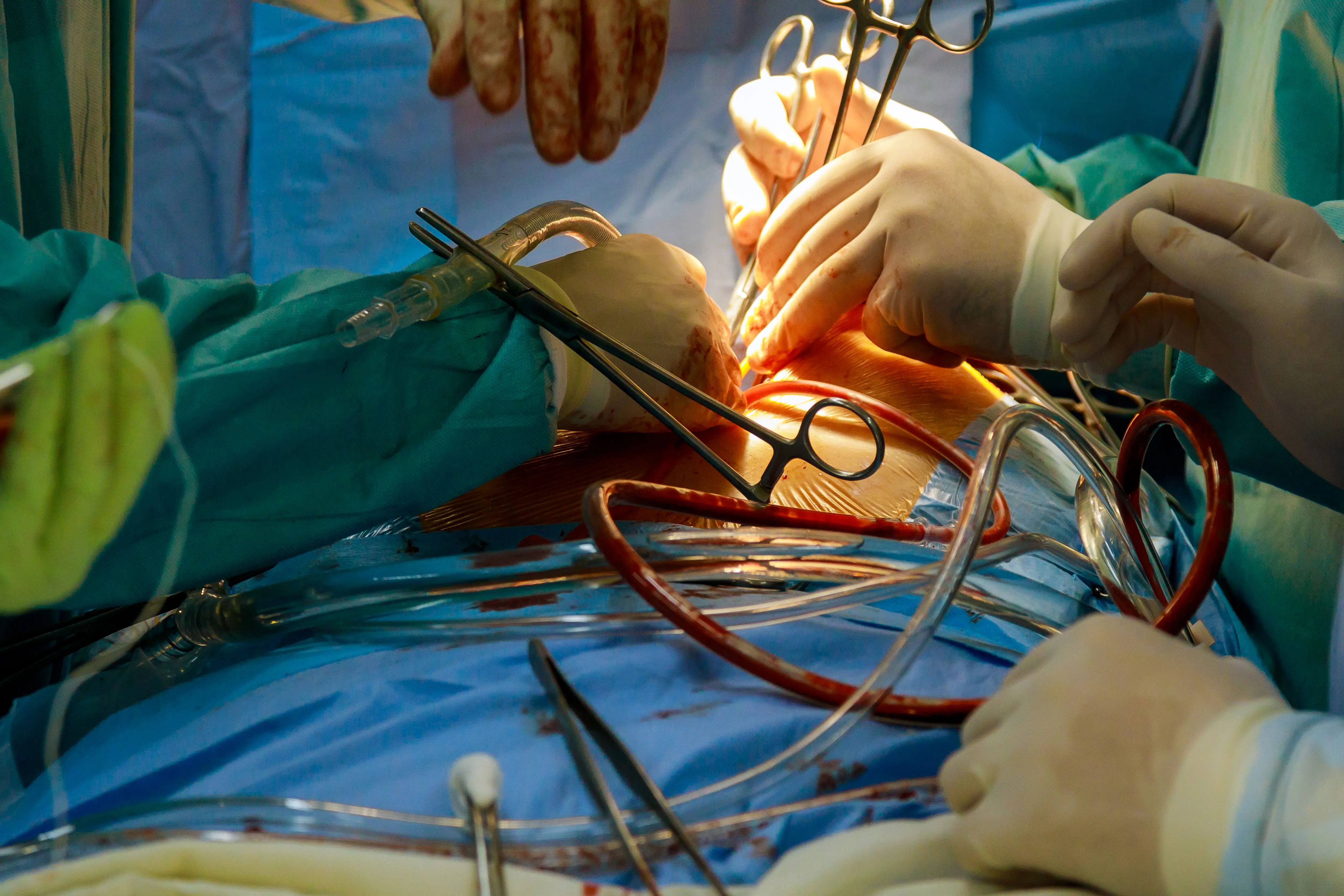
Angioplasty is a common procedure used to open blocked or narrowed coronary arteries (the blood vessels that supply the heart). A small balloon is inflated inside the artery to widen it, and often a stent (a tiny mesh tube) is placed to keep the artery open. This helps restore normal blood flow to the heart, reducing chest pain (angina) and lowering the risk of a heart attack.
Why Does Heart Rate Matter After Angioplasty?
Your heart rate (the number of times your heart beats per minute) is a key indicator of how well your heart is functioning. After angioplasty, your heart may behave differently as it adjusts to improved blood flow. Monitoring your heart rate helps ensure that your heart is recovering well and that no complications arise.
Normal vs. Abnormal Heart Rate After Angioplasty
Normal Heart Rate: A healthy resting heart rate for adults is usually between 60-100 beats per minute (bpm).
Slightly Elevated Heart Rate: It’s common for your heart rate to be slightly higher than usual for a few days after angioplasty due to stress on the body.
Abnormal Heart Rate: If your heart rate is consistently too fast (tachycardia, >100 bpm) or too slow (bradycardia, <60 bpm), it may need medical attention.
Possible Causes of Heart Rate Changes After Angioplasty
Several factors can influence your heart rate after the procedure:
1. Medications: Some post-angioplasty drugs (like beta-blockers) slow the heart rate, while others may cause temporary fluctuations.
2. Stress & Anxiety: The procedure itself can cause stress, leading to a temporary increase in heart rate.
3. Physical Activity: Overexertion can raise your heart rate, while inactivity may slow it down.
4. Underlying Heart Condition: If your heart muscle was weakened before the procedure, it may take time to stabilise.
Symptoms to Watch For
While mild variations in heart rate are normal, consult your doctor if you experience:
Persistent rapid heartbeat (palpitations)
Dizziness or fainting
Shortness of breath
Chest pain or discomfort
Extreme fatigue
How to Maintain a Healthy Heart Rate After Angioplasty?
Here are some practical tips to keep your heart rate stable and support recovery:
1. Take Your Medications as Prescribed
Beta-blockers, blood thinners, and other medications help regulate heart rate and prevent complications. Never skip doses without consulting your doctor.
Consult Top Cardiologists For Personalised Tips
2. Follow a Heart-Healthy Diet
Eat plenty of fruits, vegetables, whole grains, and lean proteins.
Reduce salt, sugar, and unhealthy fats to avoid high blood pressure and cholesterol.
Stay hydrated but avoid excessive caffeine, which can increase heart rate.
3. Exercise Moderately
Start with light walking as recommended by your doctor.
Gradually increase activity but avoid heavy lifting or intense workouts until cleared.
Cardiac rehabilitation programs can help strengthen your heart safely.
4. Manage Stress & Anxiety
Practice deep breathing, meditation, or yoga to stay calm.
Get adequate sleep (7-9 hours per night) to help your body heal.
5. Monitor Your Heart Rate Regularly
Use a home blood pressure monitor or smartwatch to track your heart rate.
Keep a log and share it with your doctor during follow-ups.
When to Seek Medical Help?
Contact your doctor immediately if:
Your heart rate stays above 100 bpm or below 50 bpm for a long time.
You experience chest pain, severe dizziness, or difficulty breathing.
You notice irregular heartbeats (arrhythmias) frequently.
Regular check-ups with your cardiologist ensure that your heart is healing properly. Your doctor may adjust medications or suggest further tests if needed.
Conclusion
Recovering from angioplasty takes time, and changes in heart rate are common. By following your doctor’s advice, maintaining a healthy lifestyle, and staying alert to any unusual symptoms, you can support your heart’s healing process and enjoy a better quality of life.
If you have concerns about your heart rate after angioplasty, Apollo 24|7 offers easy online consultations with top cardiologists. You can also book follow-up tests to monitor your heart health from the comfort of your home.
Consult Top Specialists
Consult Top Cardiologists For Personalised Tips

Dr. Arulnidhi Ayyanathan
Cardiologist
12 Years • MBBS, MRCP, AB, MBA
Chennai
Apollo Hospitals Greams Road, Chennai

Dr. Rajeshwari Nayak
Cardiologist
24 Years • MBBS, DNB (Med), DNB (Cardio), Fellowship Heart failure(Australia), Fellowship ECHO(Australia), FRCP(Glasgow), FACC, FESC, FCSI, Adj. Prof AHERF
Chennai
Apollo Hospitals Greams Road, Chennai

(225+ Patients)

Dr. Lal Daga
Cardiologist
20 Years • MBBS, DNB [MED], DNB [CARDIO], FESC [INT], MNAMS
Ahmedabad
Apollo Hospitals Gandhinagar, Ahmedabad

Dr. Kartik Pandurang Jadhav
Cardiologist
8 Years • MBBS- Rajiv Gandhi University of Health Sciences MD- INTERNAL MEDICINE- AMRITA INSTITUTE OF MEDICAL SCIENCES, KOCHI DM- INTERVENTIONAL CARDIOLOGY- AMRITA INSTITUTE OF MEDICAL SCIENCES
Hyderguda
Apollo Hospitals Hyderguda, Hyderguda

Dr. Vignesh Thanikgaivasan
Cardiologist
11 Years • MBBS, MD (Gen Med), DM (Cardiology) AFAPSIC, FIMSA, FSCAI
Chennai
Apollo Hospitals Greams Road, Chennai
(100+ Patients)
Consult Top Specialists
Dr. Arulnidhi Ayyanathan
Cardiologist
12 Years • MBBS, MRCP, AB, MBA
Chennai
Apollo Hospitals Greams Road, Chennai
Dr. Rajeshwari Nayak
Cardiologist
24 Years • MBBS, DNB (Med), DNB (Cardio), Fellowship Heart failure(Australia), Fellowship ECHO(Australia), FRCP(Glasgow), FACC, FESC, FCSI, Adj. Prof AHERF
Chennai
Apollo Hospitals Greams Road, Chennai
(225+ Patients)
Dr. Lal Daga
Cardiologist
20 Years • MBBS, DNB [MED], DNB [CARDIO], FESC [INT], MNAMS
Ahmedabad
Apollo Hospitals Gandhinagar, Ahmedabad
Dr. Kartik Pandurang Jadhav
Cardiologist
8 Years • MBBS- Rajiv Gandhi University of Health Sciences MD- INTERNAL MEDICINE- AMRITA INSTITUTE OF MEDICAL SCIENCES, KOCHI DM- INTERVENTIONAL CARDIOLOGY- AMRITA INSTITUTE OF MEDICAL SCIENCES
Hyderguda
Apollo Hospitals Hyderguda, Hyderguda
Dr. Vignesh Thanikgaivasan
Cardiologist
11 Years • MBBS, MD (Gen Med), DM (Cardiology) AFAPSIC, FIMSA, FSCAI
Chennai
Apollo Hospitals Greams Road, Chennai
(100+ Patients)