After Angioplasty Is There Chance Of Heart Attack
Learn whether a heart attack may still occur after angioplasty, why it happens, and how you might reduce the risk through medications and lifestyle changes.


Introduction
Undergoing angioplasty can be a life-saving procedure for those with blocked arteries. However, many patients wonder—can a heart attack still happen after angioplasty? The short answer is yes, but the risk is significantly reduced if you follow the right precautions.
In this article, we’ll explain why heart attacks can still occur post-angioplasty, how to minimise risks, and what lifestyle changes can keep your heart healthy.
Understanding Angioplasty and Its Purpose
Angioplasty is a procedure where a narrowed or blocked artery (usually in the heart) is widened using a small balloon and a stent (a tiny mesh tube). This helps restore blood flow and reduces the risk of a heart attack.
However, angioplasty does not cure heart disease—it only treats the immediate blockage. The underlying condition (atherosclerosis or plaque buildup) may still progress if not managed properly.
Consult Top Specialists for Personalised Heart Health Advice
Can You Still Have a Heart Attack After Angioplasty?
Yes, but the chances depend on several factors:
1. Restenosis (Re-narrowing of the Artery)
Sometimes, the treated artery can narrow again due to scar tissue or new plaque buildup. This is more common in the first 6-12 months after angioplasty.
2. Stent Thrombosis (Blood Clot in the Stent)
A rare but serious complication where a blood clot forms inside the stent, blocking blood flow suddenly. This can lead to a heart attack and usually happens within days to weeks after the procedure.
3. New Blockages in Other Arteries
Angioplasty fixes only the blocked artery that was treated. If other arteries develop blockages due to poor lifestyle habits, a heart attack can still occur.
4. Poor Medication Adherence
After angioplasty, patients are prescribed blood thinners (like aspirin or clopidogrel) to prevent clots. Skipping these medications increases the risk of a heart attack.
How to Reduce the Risk of Another Heart Attack?
While angioplasty helps, long-term heart health depends on YOU. Here’s what you can do:
1. Take Your Medications Religiously
Proper medication use plays a key role in preventing complications and maintaining long-term heart health after angioplasty.
Blood thinners (antiplatelets): Prevent clots inside the stent.
Statins: Lower cholesterol and reduce plaque buildup.
Blood pressure & diabetes meds (if prescribed): Keep these conditions under control.
Never stop medications without consulting your doctor.
2. Follow a Heart-Healthy Diet
What you eat can significantly impact your heart health.
Eat more: Fruits, vegetables, whole grains, fish, nuts, and olive oil.
Avoid: Excess salt, sugar, fried foods, and processed meats.
Limit: Red meat and full-fat dairy.
3. Exercise Regularly
Staying physically active—within safe limits—may improve circulation, lower stress, and support overall cardiovascular well-being.
Aim for 30 minutes of moderate exercise like walking, cycling or swimming most days.
Start slow and increase gradually under medical supervision.
4. Quit Smoking & Limit Alcohol
Avoiding tobacco and moderating alcohol intake might lower your chances of developing new heart problems after the procedure.
Smoking damages arteries and increases clot risk.
Excessive alcohol raises blood pressure and cholesterol.
5. Manage Stress & Mental Health
Emotional health is closely tied to heart health.
Chronic stress can worsen heart disease.
Try yoga, meditation, or deep breathing exercises.
6. Regular Follow-ups with Your Doctor
Ongoing medical supervision might help detect potential issues early and ensure your treatment plan stays effective.
Get routine check-ups to monitor heart health.
Report any new chest pain, breathlessness, or fatigue immediately.
Warning Signs of a Possible Heart Attack After Angioplasty
Even after angioplasty, watch for:
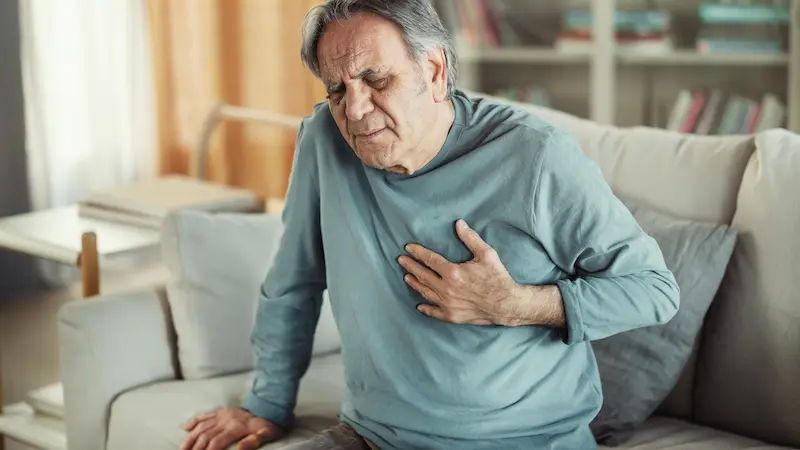
Chest pain or discomfort like pressure, squeezing, heaviness)
Pain spreading to arms, jaw, neck, or back
Shortness of breath
Cold sweats, nausea, or dizziness
If you experience these, seek emergency help immediately.
Final Thoughts
Angioplasty greatly reduces the risk of a heart attack, but it’s not a permanent fix. Your long-term heart health depends on medication adherence, lifestyle changes, and regular check-ups.
If you’ve had angioplasty and want personalised advice, consider booking a heart health consultation with an expert cardiologist on Apollo 24|7. Early care can make all the difference!
Consult Top Cardiologists
Consult Top Specialists for Personalised Heart Health Advice

Dr.bino John Sahayo J
Cardiologist
18 Years • Fellowship in Intravascular Imaging, DNB (Cardio),DM (Cardio), DNB (Gen.Med),MD (Gen.Med),MBBS
Chennai
Apollo Speciality Hospitals OMR, Chennai
Dr. Srinivasa Prasad B V
Cardiologist
23 Years • MBBS, MD, DM (Cardiology). Fellowship in Interventional Cardiology (post DM), FSCAI Structural Heart Interventions Training (Buffalo University, New York)
Bengaluru
Apollo Hospitals Jayanagar, Bengaluru

Dr. Anand Gnanaraj
Cardiologist
33 Years • MBBS, MD, DM, FNB
Chennai
Apollo Speciality Hospitals Vanagaram, Chennai

(50+ Patients)

Dr. Hrishikesh Vemula
Cardiologist
3 Years • MBBS, MD, (Gen Med), DNB (Cardiology)
Bengaluru
Apollo Hospitals Jayanagar, Bengaluru

Dr. Abraham Oomman
Cardiologist
20 Years • MBBS, MD (Gen. Med.), DM (Cardio), DNB (Cardio)
Chennai
Apollo Hospitals Greams Road, Chennai
(250+ Patients)
Consult Top Cardiologists
Dr.bino John Sahayo J
Cardiologist
18 Years • Fellowship in Intravascular Imaging, DNB (Cardio),DM (Cardio), DNB (Gen.Med),MD (Gen.Med),MBBS
Chennai
Apollo Speciality Hospitals OMR, Chennai
Dr. Srinivasa Prasad B V
Cardiologist
23 Years • MBBS, MD, DM (Cardiology). Fellowship in Interventional Cardiology (post DM), FSCAI Structural Heart Interventions Training (Buffalo University, New York)
Bengaluru
Apollo Hospitals Jayanagar, Bengaluru
Dr. Anand Gnanaraj
Cardiologist
33 Years • MBBS, MD, DM, FNB
Chennai
Apollo Speciality Hospitals Vanagaram, Chennai
(50+ Patients)
Dr. Hrishikesh Vemula
Cardiologist
3 Years • MBBS, MD, (Gen Med), DNB (Cardiology)
Bengaluru
Apollo Hospitals Jayanagar, Bengaluru
Dr. Abraham Oomman
Cardiologist
20 Years • MBBS, MD (Gen. Med.), DM (Cardio), DNB (Cardio)
Chennai
Apollo Hospitals Greams Road, Chennai
(250+ Patients)


_1.webp)