Calcium Supplements and Heart Health: To Take or Not to Take
Learn about the potential risks of calcium supplements, including kidney stones, arterial calcification, and blood clots. Understand how the right calcium intake can support both bone and heart health, and consult a doctor for safe usage.

Written by Dr. Siri Nallapu
Reviewed by Dr. J T Hema Pratima MBBS, Fellowship in Diabetes Mellitus
Last updated on 6th Mar, 2026
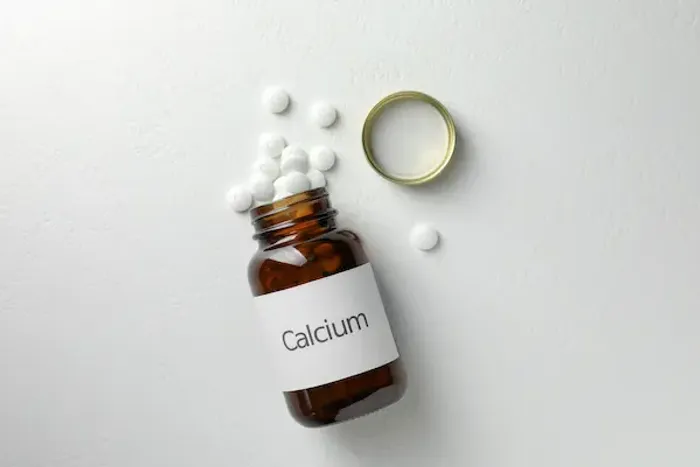
Calcium tablets are essential for maintaining strong bones, but excessive intake can impact heart health. If calcium levels are too low (hypocalcemia), it can cause muscle spasms or irregular heartbeats. If levels are too high (hypercalcemia), it can lead to problems like stiff arteries or other heart issues. Knowing the right amount of calcium to take is important for keeping your heart and bones healthy at the same time.
Calcium Tablets: The Good and the Bad
Many people take calcium supplements to make sure they’re getting enough calcium. Some reasons include:
Strengthening bones, especially for older adults or women after menopause.
Preventing or treating osteoporosis (weak bones).
Getting enough calcium if their diet doesn’t provide enough.
What Are the Risks of Too Much Calcium?
Taking too much calcium can cause problems, such as:
Kidney Stones: Excess calcium can accumulate in the urine, leading to the formation of painful kidney stones.
Arterial Calcification: Too much calcium can stick to artery walls, making them stiff and harder for blood to flow through.
Blood Clots: High calcium levels may increase the risk of blood clots, which can lead to heart attacks or strokes.
Calcium Supplements and Heart Disease: The Connection
Researchers have studied whether calcium supplements affect heart health. Here are some findings:
A study in The British Medical Journal found that taking high doses of calcium supplements might increase the risk of heart attacks.
Another study in The Journal of the American Heart Association found no clear link between calcium in food and heart disease but raised concerns about taking too much through supplements.
Get Personalised Care for Heart Issues
Who Is at Risk From Calcium Supplements?
Some people are more likely to have issues with calcium supplements, such as:
Older adults, especially those with heart problems.
People with kidney stones or a history of them.
Those with a condition called hyperparathyroidism, which causes too much calcium to leave the bones.
Health Conditions That Make Risks Worse
Certain health problems can increase the risk of heart issues from calcium supplements, such as:
Chronic kidney disease, which changes how your body processes calcium.
Atherosclerosis (hardening of the arteries), where calcium might make the condition worse.
Diabetes, which can complicate heart health.
Signs of Trouble: What to Look For
If you take too much calcium, you might notice a few signs. It is important to consult a doctor if these symptoms show up:
Mild chest pain or heart palpitations.
Feeling very tired or weak.
Nausea or losing your appetite.
Some symptoms mandate immediate medical intervention. Call a doctor if these signs are noticed:
Severe chest pain or pressure.
Trouble breathing or shortness of breath.
Sudden dizziness, fainting, or irregular heartbeats.
How Doctors Check Calcium and Heart Health
Doctors rely on specific tests to evaluate calcium levels and determine treatment if that is needed. Tests that check calcium levels are:
Blood Tests: These measure calcium, vitamin D, and related hormones.
Urine Tests: These show how much calcium your body is getting rid of.
If a person is taking calcium supplements, doctors might also recommend:
Electrocardiogram (ECG): Checks your heart rhythm.
Echocardiogram: Looks at how well your heart is pumping.
Coronary Calcium Scan: Shows if calcium is building up in your arteries.
Get Your Heart Health Checked
Tips for Taking Calcium Safely
The right amount of calcium is crucial for safe consumption of this mineral. It depends on your age. But this is a generalised estimate, and a doctor considers factors like family history, predisposition to certain illnesses, etc, to determine the exact dosage:
Adults aged 19-50 need 1,000 mg per day.
Women over 50 and men over 70 need 1,200 mg per day. Some doctors may suggest 1300 mg per day for men over 70. Taking more than 2,000-2,500 mg daily can cause problems.
Before starting calcium supplements, talk to your doctor, especially if you have a history of heart or kidney problems. They can help you find the right amount and check for side effects.
Keeping Your Heart Healthy With Calcium
Getting calcium from food is often safer than taking supplements. Foods rich in calcium include:
Dairy products like milk, cheese, and yogurt.
Leafy greens such as spinach and kale.
Fortified foods like orange juice and cereals.
Nuts and seeds like almonds and chia seeds.
Good lifestyle habits can protect the heart. Relying on supplements may not be enough if proper lifestyle choices are not made:
Exercise regularly, like walking or swimming.
Eat a balanced diet with plenty of fruits and vegetables.
Manage stress with relaxation techniques like yoga or meditation.
Avoid smoking and limit how much alcohol you drink.
Conclusion
Calcium is important for keeping your body healthy, but one needs to be careful with supplements. Too much calcium can cause problems for your heart and arteries. Always aim for the right balance.
Talk to your doctor before starting supplements, and make choices that support both your bones and your heart. By staying informed, you can stay healthy and strong.
Consult Top Cardiologists
Consult Top Cardiologists

Dr. Vignesh Thanikgaivasan
Cardiologist
11 Years • MBBS, MD (Gen Med), DM (Cardiology) AFAPSIC, FIMSA, FSCAI
Chennai
Apollo Hospitals Greams Road, Chennai

(100+ Patients)

Dr. Kirubakaran K
Cardiologist
10 Years • MD, DNB (Cardio)
Chennai
Apollo Hospitals Greams Road, Chennai
(100+ Patients)

Dr. Arulnidhi Ayyanathan
Cardiologist
12 Years • MBBS, MRCP, AB, MBA
Chennai
Apollo Hospitals Greams Road, Chennai

Dr. Pathuri Avinash
Cardiologist
6 Years • "DM- CARDIOLOGY IPGMER & SSKM, KOLKATA September 2017- September 2020 MD- INTERNAL MEDICINE MANIPAL ACADEMY OF HIGHER EDUCATION KASTURBA MEDICAL COLLEGE, MANIPAL May 2013 - May 2016 MBBS RANGARAYA MEDICAL COLLEGE,KAKINADA March 2006- March 2011"
Hyderabad
Apollo Hospitals Financial District, Hyderabad

Dr. Chandra Kumar Singh
Cardiologist
5 Years • DM CARDIOLOGY
Bhopal
Apollo Sage Hospitals, Bhopal
Get Personalised Care for Heart Issues
Dr. Vignesh Thanikgaivasan
Cardiologist
11 Years • MBBS, MD (Gen Med), DM (Cardiology) AFAPSIC, FIMSA, FSCAI
Chennai
Apollo Hospitals Greams Road, Chennai
(100+ Patients)
Dr. Kirubakaran K
Cardiologist
10 Years • MD, DNB (Cardio)
Chennai
Apollo Hospitals Greams Road, Chennai
(100+ Patients)
Dr. Arulnidhi Ayyanathan
Cardiologist
12 Years • MBBS, MRCP, AB, MBA
Chennai
Apollo Hospitals Greams Road, Chennai
Dr. Pathuri Avinash
Cardiologist
6 Years • "DM- CARDIOLOGY IPGMER & SSKM, KOLKATA September 2017- September 2020 MD- INTERNAL MEDICINE MANIPAL ACADEMY OF HIGHER EDUCATION KASTURBA MEDICAL COLLEGE, MANIPAL May 2013 - May 2016 MBBS RANGARAYA MEDICAL COLLEGE,KAKINADA March 2006- March 2011"
Hyderabad
Apollo Hospitals Financial District, Hyderabad
Dr. Chandra Kumar Singh
Cardiologist
5 Years • DM CARDIOLOGY
Bhopal
Apollo Sage Hospitals, Bhopal