



Horner Syndrome Symptoms, Causes and Treatments
Understand Horner syndrome, its symptoms, causes, and treatment options. Learn how this neurological condition affects the eyes and face, along with management approaches.

Written by Dr. M L Ezhilarasan
Reviewed by Dr. Mohammed Kamran MBBS, FIDM
Last updated on 13th Jan, 2026
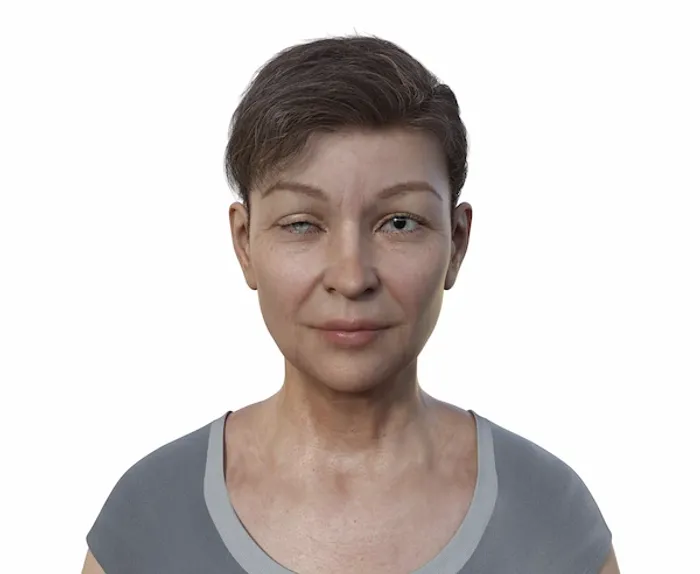
Horner Syndrome is a rare condition that affects the nerves in your face and eyes. While it may sound complicated, it’s important to understand what it is, how it happens, and what can be done to manage it. This article will break down everything you need to know in simple terms.
What is Horner Syndrome?
Horner Syndrome occurs when certain nerves that control parts of your face and eye are disrupted. This leads to noticeable changes in one side of the face, particularly affecting the eye and eyelid. It is not a disease itself but rather a sign of an underlying issue affecting the nerve pathway.
Consult a Top Specialist
Symptoms of Horner Syndrome
The most common signs of Horner Syndrome appear on one side of the face and include:
1. Drooping Eyelid (Ptosis) – The upper eyelid may sag slightly.
2. Small Pupil (Miosis) – The pupil (the black center of the eye) becomes smaller than usual.
3. Reduced Sweating (Anhidrosis) – The affected side of the face may sweat less or not at all.
4. Sunken Appearance of the Eye (Enophthalmos) – The eye may appear slightly deeper in the socket.
These symptoms are usually mild but can be concerning if they appear suddenly.
What Causes Horner Syndrome?
Horner Syndrome happens when the nerve pathway from the brain to the face is damaged. This can occur due to:
- Injury or Trauma – Accidents affecting the neck, chest, or head.
- Stroke or Brain Tumors – Conditions that impact the brainstem.
- Lung or Chest Tumors – Such as Pancoast tumors (a type of lung cancer).
- Nerve Damage – Due to infections, migraines, or medical procedures.
- Birth Defects – Some babies are born with Horner Syndrome due to nerve damage during birth.
Sometimes, the exact cause remains unknown (idiopathic Horner Syndrome).
How is Horner Syndrome Diagnosed?
If you notice symptoms, a doctor will perform tests to confirm Horner Syndrome and find the underlying cause. These may include:
- Eye Drop Test – Special drops are used to check pupil reactions.
- Imaging Scans – MRI or CT scans to look for tumors or nerve damage.
- Blood Tests – To rule out infections or other conditions.
Early diagnosis is crucial, especially if the cause is serious (like a tumor).

Treatment Options for Horner Syndrome
Treatment depends on the underlying cause. If the root problem is treated, Horner Syndrome symptoms may improve.
- Medications – If caused by migraines or infections, treating those may help.
- Surgery – If a tumor or injury is pressing on the nerve, surgery may be needed.
- Observation – If no serious cause is found, doctors may monitor the condition.
Unfortunately, there is no direct cure for Horner Syndrome itself, but managing the underlying condition can help.
Living with Horner Syndrome
Most people with Horner Syndrome lead normal lives, especially if the symptoms are mild. Here are some tips to manage it:
- Protect Your Eye – If your eyelid droops, use artificial tears to prevent dryness.
- Monitor Changes – Report any new symptoms to your doctor immediately.
- Stay Informed – Regular check-ups help track any underlying conditions.
When to See a Doctor?
If you suddenly develop:
- A drooping eyelid
- A very small pupil
- Reduced sweating on one side of your face
Seek medical attention immediately, as it could indicate a serious condition like a stroke or tumor.
Need Help?
If you suspect Horner Syndrome, don’t wait. Book a consultation with a specialist on Apollo 24|7 for expert advice and diagnostic tests. Early detection can lead to better outcomes.
Final Thoughts
Horner Syndrome is rare but manageable. While the symptoms can be unsettling, understanding the cause and getting proper treatment can make a big difference. If you or someone you know experiences these symptoms, consult a doctor for a thorough evaluation.
Consult a Top Specialist
Consult a Top Specialist

Dr. Rajib Ghose
General Physician/ Internal Medicine Specialist
25 Years • MBBS
East Midnapore
VIVEKANANDA SEBA SADAN, East Midnapore

Dr. Renu Saraogi
General Physician/ Internal Medicine Specialist
21 Years • MBBS, PGDFM
Bangalore
Apollo Clinic Bellandur, Bangalore

(275+ Patients)

Dr Aakash Andgi
General Physician/ Internal Medicine Specialist
9 Years • MBBS MD
Bengaluru
Apollo Clinic, JP nagar, Bengaluru

Dr. Sougata Kumar
General Practitioner
10 Years • MBBS, Certificate Course In Diabetes and Hypertension
East Midnapore
VIVEKANANDA SEBA SADAN, East Midnapore

Dr. Smitha Nagaraj
General Physician/ Internal Medicine Specialist
15 Years • MBBS, Diploma in Family Medicine
Bengaluru
Apollo Medical Center, Marathahalli, Bengaluru
Consult a Top Specialist
Dr. Rajib Ghose
General Physician/ Internal Medicine Specialist
25 Years • MBBS
East Midnapore
VIVEKANANDA SEBA SADAN, East Midnapore
Dr. Renu Saraogi
General Physician/ Internal Medicine Specialist
21 Years • MBBS, PGDFM
Bangalore
Apollo Clinic Bellandur, Bangalore
(275+ Patients)
Dr Aakash Andgi
General Physician/ Internal Medicine Specialist
9 Years • MBBS MD
Bengaluru
Apollo Clinic, JP nagar, Bengaluru
Dr. Sougata Kumar
General Practitioner
10 Years • MBBS, Certificate Course In Diabetes and Hypertension
East Midnapore
VIVEKANANDA SEBA SADAN, East Midnapore
Dr. Smitha Nagaraj
General Physician/ Internal Medicine Specialist
15 Years • MBBS, Diploma in Family Medicine
Bengaluru
Apollo Medical Center, Marathahalli, Bengaluru