


HPV Vaccine Explained: Importance, Schedule, and Side Effects
HPV vaccine importance and vaccine timing made simple: who needs it, when to get it, safety, effectiveness, and possible side effects.

Written by Dr. Dhankecha Mayank Dineshbhai
Reviewed by Dr. Md Yusuf Shareef MBBS, Advanced Certificate Course in Dermatology
Last updated on 13th Jan, 2026

Introduction
If you’ve heard about the HPV vaccine but aren’t sure why it matters or when to get it, you’re not alone. Understanding HPV vaccine importance and vaccine timing can help you or your child prevent several types of cancer and genital warts. This guide explains who should get the vaccine, the recommended schedule, how safe it is, and what side effects to expect—using clear, trustworthy information from leading health organisations.
What Is HPV?
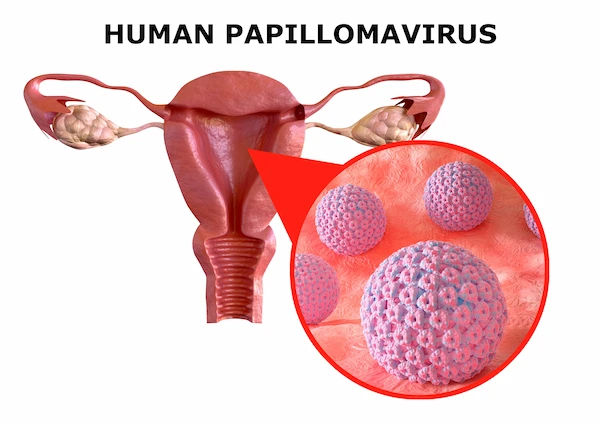
Human papillomavirus (HPV) is a very common virus passed through intimate skin-to-skin contact. Most sexually active people will get HPV at some point in their lives. While many infections go away on their own, some types can cause:
- Cancers (cervical, anal, oropharyngeal/throat, penile, vulval, and vaginal)
- Genital warts
Vaccination helps prevent the HPV types that most often lead to these problems.
HPV Vaccine Importance: How It Protects Your Health
The HPV vaccine is primarily about cancer prevention. That’s why HPV vaccine importance is emphasised by major health authorities worldwide.
- It prevents infections with high-risk HPV types that cause most HPV-related cancers.
- It also protects against HPV types that cause the majority of genital warts.
- Vaccinating before exposure to HPV (ideally before sexual activity begins) provides the strongest protection.
- Getting vaccinated helps protect not only you but also your community by reducing the spread of HPV.
Vaccine Timing: Who Should Get the HPV Vaccine and When
Getting the timing right—often called vaccine timing—ensures the best protection.
Routine vaccination
- Recommended age: 11–12 years for all children, though it can start as early as age 9.
- Why then? The immune response is strongest at this age, and it protects children before they’re likely to be exposed to HPV.
Catch-up vaccination
- Everyone through age 26 who wasn’t adequately vaccinated earlier should get the vaccine.
- If you’re between 13 and 26 and missed it, it’s not too late—catch up as soon as possible.
Adults aged 27–45
- Vaccination isn’t routinely recommended for everyone in this age group.
- Some adults may benefit based on personal risk (for example, new sexual partners or limited prior exposure to HPV).
- Decide through shared clinical decision-making with your healthcare provider.
People with weakened immune systems:
Those who are immunocompromised (including people with HIV) should receive a three-dose series for the best protection, starting as early as age 9 if appropriate.
Consult Top Specialists
HPV Vaccine Dosing Schedules: 2 Doses vs. 3 Doses
The schedule depends on the age you start and your health status;
If you start before your 15th birthday (and are not immunocompromised):
- Two doses total
- Timing: Dose 1 now; Dose 2 in 6–12 months
- Minimum spacing: At least five months between doses
If you start at age 15–26, or if you’re immunocompromised at any age:
- Three doses total
- Timing: Dose 1 now; Dose 2 in 1–2 months; Dose 3 at six months after Dose 1
- Don’t worry if you’re a little late—just get the next dose as soon as you can. You don’t need to restart the series.
Helpful tips
- The HPV vaccine can be given at the same visit as other routine vaccines (like Tdap and meningococcal vaccines).
- If you miss a dose, resume where you left off—no need to restart.
How Safe Is the HPV Vaccine?
The HPV vaccine has an excellent safety record, supported by extensive research and ongoing monitoring worldwide.
Common, mild side effects
- Soreness, redness, or swelling where the injection was given
- Headache, fatigue, or mild fever
- Muscle or joint aches
- These usually go away in a day or two.
Less common effects and precautions
- Fainting (syncope) can occur in teens after any vaccine. It’s recommended to sit or lie down for 15 minutes after the injection.
- Severe allergic reactions are rare. Don’t get the vaccine if you had a serious allergic reaction to a previous dose or any vaccine component (including yeast).
Pregnancy and breastfeeding
- The HPV vaccine isn’t recommended during pregnancy. If you discover you’re pregnant after starting the series, delay the remaining doses until after pregnancy.
- There’s no evidence of harm if given by mistake during pregnancy, and breastfeeding is not a reason to avoid vaccination.
HPV Vaccine Effectiveness and How Long It Lasts
The HPV vaccine is highly effective when given on time, especially before exposure to HPV.
- Strong protection: It substantially reduces HPV infections, genital warts, and cervical precancers related to vaccine-covered types.
- Lasting immunity: Studies show long-lasting protection for many years, with no signs of waning protection in current data.
- Real-world impact: Countries with high vaccination rates have seen significant declines in HPV-related disease.
- Important: The vaccine doesn’t treat existing HPV infections. However, even if you’re sexually active or may have been exposed to HPV, vaccination can still offer protection against types you haven’t encountered.
- Screening still matters
- People with a cervix should continue regular cervical cancer screening (Pap tests and/or HPV tests) as recommended for their age, even if vaccinated. The vaccine does not prevent all cervical cancers.
Vaccine Timing and Special Situations
Because vaccine timing affects protection, here’s what to do in common situations:
- Starting early (age 9–10): Useful for children who may benefit from getting protected sooner; talk with your clinician if this fits your family.
- Starting late (age 15 or older): You’ll need three doses; begin as soon as possible to complete the series.
- Missed doses: Resume the series; do not restart.
- New partner later in life: If you’re 27–45, discuss whether vaccination could still help you.
Which Vaccine Is Used?
In many countries, the nine-valent HPV vaccine (often called Gardasil 9) is used. It protects against nine HPV types that cause most HPV-related cancers and genital warts. Availability may vary by country—ask your healthcare provider which HPV vaccine is offered where you live.
Cost and Access
- In the United States, most private insurance plans cover HPV vaccination.
- The Vaccines for Children (VFC) programme provides vaccines at no cost for eligible children and teenagers.
- Pharmacies, primary care clinics, and health departments commonly offer the vaccine.
- If cost is a concern, ask your clinic or local health department about low-cost or free options.
Myths and Facts
- Myth: “The HPV vaccine encourages sexual activity.”
Fact: Research does not show increased sexual activity after vaccination. The vaccine is about cancer prevention. - Myth: “I’m already sexually active, so the vaccine won’t help.”
Fact: You may still gain protection against HPV types you haven’t encountered. - Myth: “Only girls need the HPV vaccine.”
Fact: All genders benefit. HPV-related cancers and warts affect everyone. - Myth: “The vaccine affects fertility.”
Fact: There’s no evidence the HPV vaccine harms fertility. Preventing cervical disease can actually help protect fertility by reducing the need for procedures on the cervix.
Quick Checklist: Is the HPV Vaccine Right for You or Your Child?
- Age 9–12: Yes—ideal time to start (two-dose schedule).
- Ages 13–26: Yes—catch up if not fully vaccinated.
- Ages 27–45: Maybe—discuss with your clinician based on your risk.
- Immunocompromised: Yes—three-dose schedule recommended.
- Pregnant: Wait until after pregnancy to get any remaining doses.
Consult Top Specialists
Consult Top Specialists

Dr. Utsa Basu
Diabetologist
14 Years • MBBS , MD
Barasat
Diab-Eat-Ease, Barasat

(75+ Patients)

Dr. Shiv Prakash Singh
Ayurveda Practitioner
19 Years • BAMS
Kolkata
Vedhive Ayurveda College Street, Kolkata
(50+ Patients)

Dr. Rik Sadhukhan
Ayurveda Practitioner
8 Years • BAMS
Kolkata
Vedhive Ayurveda, Ballygunge, Kolkata

Dr. Utsa Basu
Diabetologist
14 Years • MBBS, MD
Kolkata
Dr Utsa Basu Clinic, Kolkata
(400+ Patients)

Dr. Sushith C
General Physician
2 Years • MBBS
Bengaluru
PRESTIGE SHANTHINIKETAN - SOCIETY CLINIC, Bengaluru
Consult Top Specialists
Dr. Utsa Basu
Diabetologist
14 Years • MBBS , MD
Barasat
Diab-Eat-Ease, Barasat
(75+ Patients)
Dr. Shiv Prakash Singh
Ayurveda Practitioner
19 Years • BAMS
Kolkata
Vedhive Ayurveda College Street, Kolkata
(50+ Patients)
Dr. Rik Sadhukhan
Ayurveda Practitioner
8 Years • BAMS
Kolkata
Vedhive Ayurveda, Ballygunge, Kolkata
Dr. Utsa Basu
Diabetologist
14 Years • MBBS, MD
Kolkata
Dr Utsa Basu Clinic, Kolkata
(400+ Patients)
Dr. Sushith C
General Physician
2 Years • MBBS
Bengaluru
PRESTIGE SHANTHINIKETAN - SOCIETY CLINIC, Bengaluru
More articles from HPV infection
Frequently Asked Questions
Why is the HPV vaccine important?
HPV can cause several cancers and genital warts. Vaccination helps prevent the HPV types most likely to lead to these conditions. That’s the core of hpv vaccine importance: cancer prevention.
What is the recommended vaccine timing for kids and teens?
Routine vaccination is recommended at ages 11–12, with the option to start at age 9. Starting earlier yields a stronger immune response and protection before exposure.
I’m 27–45 years old. Should I get the HPV vaccine?
It depends. Vaccination in this age range is based on shared decision-making. If you’re at risk of new HPV exposure or weren’t vaccinated earlier, you may benefit. Talk with your healthcare provider.
What are the common side effects?
Most side effects are mild: arm soreness, redness, swelling, headache, fatigue, or mild fever. Fainting can happen in adolescents after any vaccine, so sitting for 15 minutes afterward is advised.
Do I still need Pap tests if I’m vaccinated?
Yes. The vaccine doesn’t prevent all cervical cancers. Continue cervical cancer screening (Pap and/or HPV tests) as recommended for your age and health history.