


High ESR Levels: Causes, Symptoms, and Treatment Options
ESR test high? Understand what it means, common inflammation causes, symptoms, and treatment options. Clear, trustworthy advice you can use.

Introduction
If your recent blood work showed an elevated ESR, you’re not alone. The erythrocyte sedimentation rate (ESR) is a common blood test used to detect inflammation in the body. While a raised ESR does not diagnose a specific disease, it is often one of the first signals that something in the body needs investigating. Your doctor interprets your ESR together with your symptoms, history, physical examination, and other test results.
A high ESR can appear in a range of situations—from mild infections to autoimmune conditions and certain chronic illnesses. Understanding what this test measures, what can cause an elevated ESR, and when to seek medical evaluation can help reduce anxiety and support informed decision-making.
What Is the ESR Test?
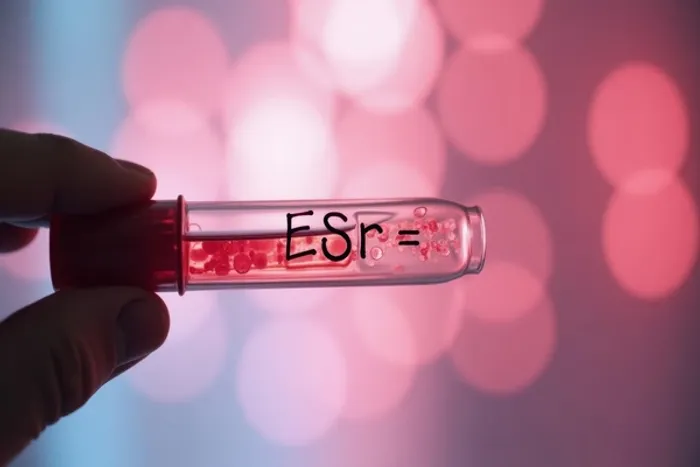
The ESR (erythrocyte sedimentation rate) measures how quickly red blood cells settle at the bottom of a test tube in the span of one hour. Results are reported as millimetres per hour (mm/hr).
How It Works
- Inflammation increases certain blood proteins called acute-phase reactants, mainly fibrinogen.
- These proteins cause red blood cells to stick together and form stacks, which makes them heavier.
- Heavier red blood cells settle faster at the bottom of the tube, leading to a higher ESR result.
Why Doctors Order an ESR?
Doctors may request an ESR test to:
- Check for inflammation when symptoms appear unexplained (e.g., fever, joint pain, fatigue).
- Assist in monitoring autoimmune or chronic inflammatory conditions.
- Assess treatment response over time when inflammation is being managed.
Consult a Top General Practitioner for Personalised Advice
What Does a High ESR Result Mean?
A high ESR suggests inflammation somewhere in the body, but it does not identify where it is coming from. It is therefore considered a non-specific marker.
Key Facts
- ESR is a clue, not a diagnosis.
- Mild elevations can occur temporarily, such as after illness or physical stress.
- Very high ESR levels are more concerning and may prompt additional investigation.
Doctors will often order supporting tests (such as C-reactive protein, CRP) to build a complete picture.
Common Inflammation Causes of a High ESR
Inflammation can stem from infection, autoimmune activity, cancer, or other medical conditions. Some causes are temporary; others require long-term management. Common causes include:
Infections
High ESR levels commonly result from infections such as:
- Pneumonia and respiratory infections
- Urinary tract infections
- Bone and joint infections (osteomyelitis)
- Endocarditis (infection of the heart valves)
- Certain viral illnesses
- Tuberculosis and chronic infections
Signs to watch for:
Persistent fever or chills
- Increased cough or difficulty breathing
- Painful urination or flank pain
- Redness, swelling, or warmth localised to one area
Autoimmune and Inflammatory Conditions
Autoimmune conditions occur when the immune system mistakenly attacks healthy tissue.
Examples include:
- Rheumatoid arthritis
- Systemic lupus erythematosus
- Temporal arteritis and polymyalgia rheumatica
- Vasculitis (inflamed blood vessels)
- Inflammatory bowel disease (Crohn’s disease and ulcerative colitis)
What you may notice:
- Joint swelling or prolonged morning stiffness
- Rashes, fatigue, or persistent low energy
- Headaches with jaw or vision changes (urgent sign in temporal arteritis)
- Abdominal pain or blood in the stools
Cancers and Blood Disorders
A high ESR can be associated with:
- Blood cancers such as multiple myeloma
- Lymphomas
- Certain tumours that cause chronic inflammation
Inflammation, abnormal proteins, or altered blood composition contribute to the rise.
Other Conditions and Influences
A high ESR may also occur in:
- Chronic kidney disease
- Anaemia (fewer red cells = faster settling)
- Pregnancy and the postpartum period
- Obesity and chronic inflammatory states
- Older age (reference ranges shift naturally)
Certain medicines, such as those containing oestrogen, may mildly increase ESR.
Symptoms That May Come With a High ESR
Because ESR reflects inflammation, symptoms depend on the underlying cause.
Common symptoms include:
- Fever, chills, or night sweats
- Fatigue or unexplained weakness
- Loss of appetite or weight loss
- Joint pain, stiffness, or swelling
- Persistent cough, chest pain, or breathlessness
- Abdominal pain, diarrhoea, or blood in stools
- Localised redness or warmth (possible infection)
If symptoms escalate rapidly, especially with high fever or neurological signs, seek urgent medical care.
How Doctors Evaluate a High ESR?
When ESR is elevated, doctors follow a structured evaluation process.
Evaluation Steps
Medical history review
- Recent illnesses, medication use, travel exposure, and family history
Physical examination
- Checking joints, skin, abdomen, eyes, heart, and lungs
Repeat ESR
- To confirm persistent elevation or track trends
Additional tests may include:
CRP (C-reactive protein): a faster-responding inflammation marker- Complete blood count (CBC): clues about infection and anaemia
- Kidney and liver tests
- Urinalysis
- Autoimmune antibody panels (RF, ANA, anti-CCP) when autoimmune disease is suspected
- Imaging scans (X-ray, ultrasound, CT/MRI) if deeper inflammation is suspected
Referral to specialists
Rheumatologist, haematologist/oncologist, infectious disease specialist, or gastroenterologist, depending on findings
Treatment Options for High ESR
The primary goal is treating the underlying cause, not just reducing the ESR value. The options include:
Treatment Examples
- Infections: antibiotics or antivirals, drainage of abscesses if necessary
Autoimmune diseases:
- Corticosteroids
- Disease-modifying antirheumatic drugs (DMARDs)
- Biologic therapies (in moderate to severe cases)
Temporal arteritis/polymyalgia rheumatica:
- Prompt steroid treatment to protect vision
Inflammatory bowel disease:
- Gut-targeted anti-inflammatory medication
Cancer or blood disorders:
- Oncology-guided treatment
Supportive Care
- Follow the treatment plan
- Stay hydrated
- Balanced diet: whole grains, vegetables, lean proteins, healthy fats
- Adequate rest and sleep
- Manage chronic illnesses (e.g., diabetes, hypertension)
When to Seek Urgent Care?
Contact a doctor immediately if you experience:
- New, severe headache, jaw pain when chewing, scalp tenderness, or vision changes
- High fever with shaking chills
- Chest pain or difficulty breathing
- Severe abdominal pain or blood in the stools
- Rapidly spreading redness or swelling
- Sudden weakness, numbness, or stroke-like symptoms
ESR vs CRP: What’s the Difference?
Let us see the differences:
Doctors often use both tests together for a clearer picture.
Can Lifestyle Help Reduce High ESR?
Lifestyle contributes to long-term inflammation control but cannot replace medical evaluation when a disease is present.
Helpful habits:
Do not smoke
- Maintain a healthy weight
- Prioritise regular physical activity
- Reduce stress and improve sleep quality
- Follow prescribed treatment plans and attend follow-ups
Putting It All Together
A high ESR is simply a signal that inflammation exists. It doesn’t confirm a diagnosis—rather, it directs clinicians to look deeper. By combining ESR with symptoms, history, physical examination, and additional testing, the root cause can be identified and treated.
Conclusion
A high ESR result can feel concerning, but remember: the ESR test does not diagnose disease—it simply signals inflammation. Your doctor evaluates your symptoms, performs a physical examination, and orders additional tests to identify the cause. In many cases, treating the underlying condition brings the ESR back to your normal baseline. Focus on open communication with your healthcare provider, follow your treatment plan, and support your overall health with good nutrition, sleep, and stress management.
Consult a Top General Practitioner for Personalised Advice
Consult a Top General Practitioner for Personalised Advice

Dr Syed Mateen Pasha
General Physician
2 Years • MBBS
Bengaluru
PRESTIGE SHANTHINIKETAN - SOCIETY CLINIC, Bengaluru

Dr. Anand Ravi
General Physician
2 Years • MBBS, FEM
Bengaluru
PRESTIGE SHANTHINIKETAN - SOCIETY CLINIC, Bengaluru


Dr. Syed Ismail Ali
General Practitioner
7 Years • MBBS
Hyderabad
Apollo 24|7 Clinic, Hyderabad

Dr. Vivek D
General Physician
4 Years • MBBS
Bengaluru
PRESTIGE SHANTHINIKETAN - SOCIETY CLINIC, Bengaluru

Dr. Debajyoti Goswami
Obstetrician and Gynaecologist
10 Years • MBBS,D.G.O(DNB),Adv. Infertility Tech.(AIIMS, Delhi),Fellowship in Diabetes(U.K),Comprehensive Abortion Care(Govt. Of W.B), Certificate in Clinical Embryology(AIIMS, BHUBANESWAR)
Bankura
D.G Clinic, Bankura

(25+ Patients)
Consult a Top General Practitioner for Personalised Advice
Dr Syed Mateen Pasha
General Physician
2 Years • MBBS
Bengaluru
PRESTIGE SHANTHINIKETAN - SOCIETY CLINIC, Bengaluru
Dr. Anand Ravi
General Physician
2 Years • MBBS, FEM
Bengaluru
PRESTIGE SHANTHINIKETAN - SOCIETY CLINIC, Bengaluru
Dr. Syed Ismail Ali
General Practitioner
7 Years • MBBS
Hyderabad
Apollo 24|7 Clinic, Hyderabad
Dr. Vivek D
General Physician
4 Years • MBBS
Bengaluru
PRESTIGE SHANTHINIKETAN - SOCIETY CLINIC, Bengaluru
Dr. Debajyoti Goswami
Obstetrician and Gynaecologist
10 Years • MBBS,D.G.O(DNB),Adv. Infertility Tech.(AIIMS, Delhi),Fellowship in Diabetes(U.K),Comprehensive Abortion Care(Govt. Of W.B), Certificate in Clinical Embryology(AIIMS, BHUBANESWAR)
Bankura
D.G Clinic, Bankura
(25+ Patients)
More articles from Infectious diseases


Frequently Asked Questions
What is ESR, and what does it measure?
ESR measures how fast red blood cells settle at the bottom of a tube in one hour; faster settling indicates inflammation.
What is considered a high ESR?
It varies based on age, sex, and laboratory ranges. Your doctor interprets results based on your individual context.
My ESR is high but I feel fine. What does that mean?
Mild elevations can occur temporarily. Your doctor may repeat the ESR or add CRP to clarify.
What conditions cause a high ESR?
Conditions which cause high ESR are:
- Infections
- Autoimmune diseases
- Certain cancers
- Kidney disease
- Anaemia
- Pregnancy and hormonal influences
How can I lower my ESR?
Address the root cause. Support your body through healthy habits and follow your clinician’s treatment plan.