Kidney Stones And Elevated BUN/Creatinine Levels
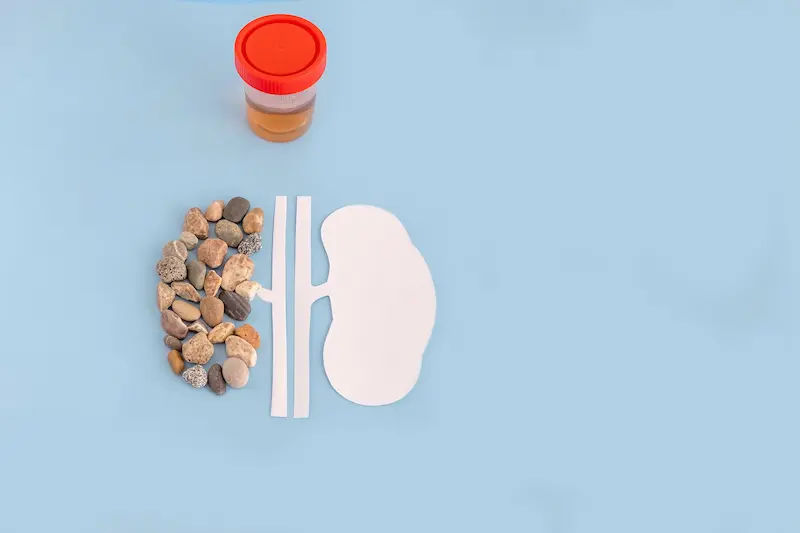
Kidney stones can affect kidney function, often leading to elevated BUN and creatinine levels. Learn how these tests help monitor kidney health and stone-related complications.

Written by Dr. J T Hema Pratima
Reviewed by Dr. Shaik Abdul Kalam MD (Physician)
Last updated on 13th Jan, 2026

Introduction
Kidney health is crucial for overall well-being, but sometimes, problems like kidney stones or elevated BUN (Blood Urea Nitrogen) and creatinine levels can arise. These issues can cause discomfort and may indicate underlying kidney dysfunction. This article will help you understand these conditions, their symptoms, causes, and ways to manage them effectively.
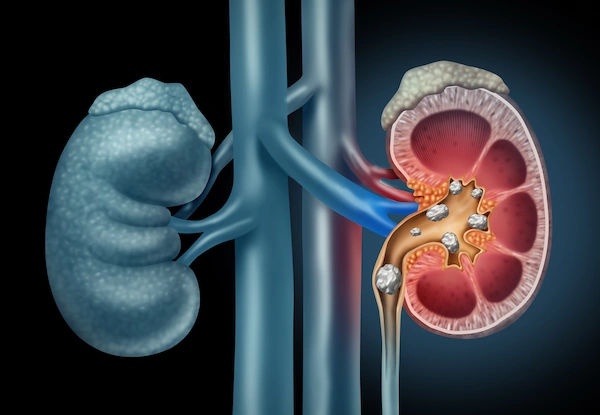
Common Symptoms of Kidney Stones
Sharp pain in the back, side, lower abdomen, or groin
Painful urination
Frequent urge to urinate
Blood in urine (pink, red, or brown urine)
Nausea and vomiting
Cloudy or foul-smelling urine
What Causes Kidney Stones?
Several factors contribute to kidney stone formation:
Dehydration: Not drinking enough water leads to concentrated urine, increasing stone risk.
Diet: High intake of salt, sugar, animal protein, or oxalate-rich foods (spinach, nuts, chocolate).
Medical conditions: Gout, urinary tract infections (UTIs), or metabolic disorders.
Family history: A genetic tendency for stone formation.
What Are Elevated BUN and Creatinine Levels?
BUN and creatinine are waste products filtered by the kidneys. High levels in blood tests may indicate poor kidney function.
BUN (Blood Urea Nitrogen): Measures nitrogen in the blood from urea (a waste product of protein metabolism).
Creatinine: A byproduct of muscle metabolism, filtered out by the kidneys.
Get Bun Creatinine Test Here
Symptoms of High BUN/Creatinine Levels
Fatigue and weakness
Swelling in legs, ankles, or feet (oedema)
Reduced urine output
Shortness of breath
Confusion or difficulty concentrating
Causes of Elevated BUN/Creatinine
Dehydration: Low fluid intake reduces kidney filtration.
Kidney disease: Chronic kidney disease (CKD) or acute kidney injury (AKI).
High-protein diet: Excess protein increases urea production.
Medications: Some antibiotics or painkillers affect kidney function.
Urinary blockage: Kidney stones or enlarged prostate can obstruct urine flow.
Consult Top Physicians
How to Manage Kidney Stones and High BUN/Creatinine Levels?
Here’s how to manage kidney stones and high BUN/creatinine levels:
1. Stay Hydrated
Drink at least 8-10 glasses of water daily to flush out toxins and prevent stone formation.
Lemon water (citrate) helps prevent certain types of kidney stones.
2. Dietary Adjustments
Reduce salt intake: Excess sodium increases calcium in urine, promoting stones.
Limit animal protein: High-protein diets raise uric acid and urea levels.
Avoid oxalate-rich foods (if prone to calcium oxalate stones): Spinach, beets, nuts, chocolate.
Eat more fruits and vegetables: Helps balance urine pH and prevent stones.
3. Exercise Regularly
Physical activity helps maintain a healthy weight and reduces kidney disease risk.
4. Monitor Medications
Some painkillers (NSAIDs like ibuprofen) can harm kidneys if overused.
Always consult a doctor before taking new supplements or medications.
5. Medical Treatment
Kidney stones: Small stones may pass naturally; larger ones may need shockwave therapy (lithotripsy) or surgery.
High BUN/creatinine: Treatment depends on the cause (hydration, dialysis in severe cases).
When to See a Doctor?
Seek medical help if you experience:
Severe pain that doesn’t improve
Blood in urine
Difficulty urinating
Persistent nausea/vomiting
Swelling in legs or face
Early diagnosis and treatment can prevent complications like kidney damage or infections.
How Apollo 24|7 Can Help?
If you suspect kidney stones or notice symptoms of high BUN/creatinine, Apollo 24|7 offers:
Expert consultations with nephrologists (kidney specialists).
Lab tests to check kidney function (BUN, creatinine, urine analysis).
Personalised treatment plans for kidney health.
You can easily book a consultation or schedule a test through the Apollo 24|7 app or website.
Conclusion
Kidney stones and elevated BUN/creatinine levels can be painful and concerning, but with proper hydration, diet, and medical care, they can be managed effectively. Listen to your body, stay proactive, and consult a doctor if symptoms persist.
Your kidneys work hard to keep you healthy—take good care of them!
Consult Top Physicians
Consult Top Physicians

Dr. Rakesh Kumar
General Physician/ Internal Medicine Specialist
15 Years • MBBS, MD General Medicine
Bengaluru
Apollo Hospital Sarjapur Road, Bengaluru

Dr. Rajib Ghose
General Physician/ Internal Medicine Specialist
26 Years • MBBS
Kolkata
B Ghose Foundation Doctor's Chamber, Kolkata

(50+ Patients)

Dr. Rajib Ghose
General Physician/ Internal Medicine Specialist
25 Years • MBBS
East Midnapore
VIVEKANANDA SEBA SADAN, East Midnapore

Dr Vinay Kumar A V
Nephrologist
8 Years • MBBS, MD - General Medicine, DM - Nephrology
Bilaspur
Apollo Hospitals Seepat Road, Bilaspur
(50+ Patients)

Dr. Prof. Ramulu
General Physician/ Internal Medicine Specialist
47 Years • MBBS, MD
Secunderabad
Apollo Hospitals Secunderabad, Secunderabad
(25+ Patients)