Four Methods for Kidney Stone Removal
Explore the four most common and effective methods for kidney stone removal—natural passing, ESWL, ureteroscopy, and PCNL. Learn what to expect, recovery tips, and how to prevent future stones.

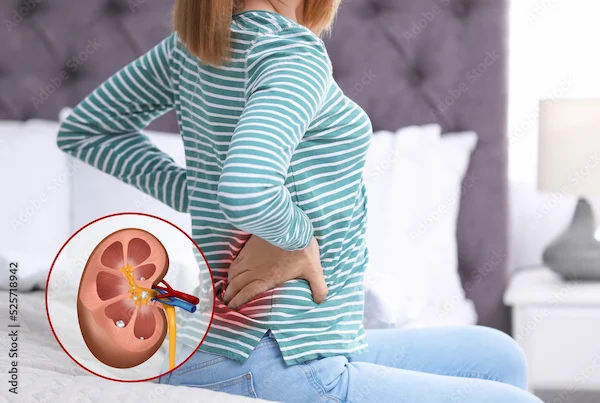
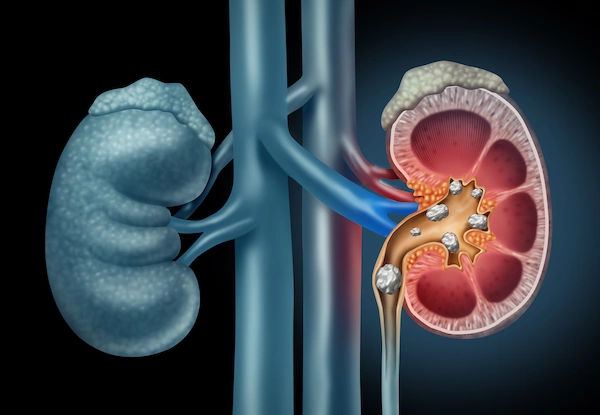
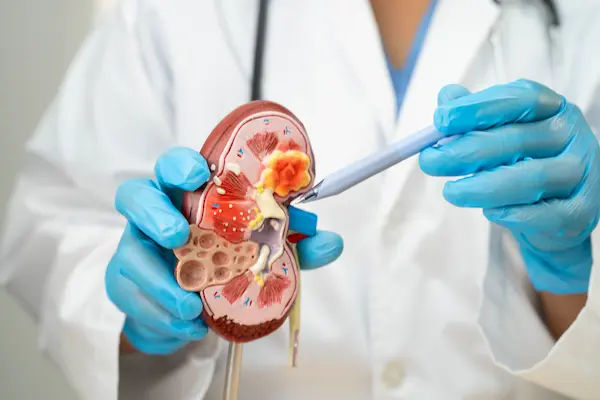
Kidney stones are small, hard deposits that form in the kidneys and can cause severe pain when they move through the urinary tract. If you or a loved one has been diagnosed with kidney stones, you might be wondering about the best ways to remove them. The good news is that several safe and effective treatment options are available, depending on the size, type, and location of the stone.
In this article, we’ll discuss four common methods for kidney stone removal, their benefits, and what to expect during and after the procedure.
1. Drinking Water & Medication (Natural Passing)
What It Is
Small kidney stones (usually less than 5mm) can often pass on their own with increased water intake and pain relief medications.
How It Works
- Drinking 2-3 litres of water daily helps flush out the stone naturally.
- Your doctor may prescribe pain relievers (like ibuprofen) and alpha-blockers (like tamsulosin) to relax the urinary tract and ease the stone’s passage.
What to Expect
- You may experience mild to severe pain as the stone moves.
- The process can take a few days to weeks.
- If the stone doesn’t pass or causes complications (like infection), further treatment may be needed.
Tips for Success
- Stay hydrated (clear urine is a good sign).
- Avoid salty, high-oxalate foods (like spinach, nuts, and chocolate).
- Follow up with your doctor if pain worsens or fever develops.
2. Extracorporeal Shock Wave Lithotripsy (ESWL)
What It Is
A non-surgical procedure that uses sound waves to break kidney stones into tiny fragments, making them easier to pass.
How It Works
- You lie on a table while shock waves are directed at the stone from outside the body.
- The procedure takes 30-60 minutes and is usually done under mild sedation.
What to Expect
- You may feel mild discomfort during the procedure.
- Small stone pieces will pass in urine over the next few days or weeks.
- Some bruising or blood in urine may occur temporarily.
Consult Top Specialists
Best For
- Small to medium-sized stones (5mm-20mm).
- Stones located in the kidney or upper ureter.
Recovery Tips
- Drink plenty of water to help pass the fragments.
- Avoid strenuous activity for a few days.
3. Ureteroscopy (URS) with Laser Lithotripsy
What It Is
A minimally invasive procedure where a thin scope (ureteroscope) is passed through the bladder into the ureter to remove or break up the stone.
How It Works
- A small laser or device is used to break or remove the stone.
- A temporary stent may be placed to help urine flow.
What to Expect
- Done under general or spinal anaesthesia.
- Mild discomfort or burning while urinating may occur for a few days.
- The stent (if placed) is usually removed after 1-2 weeks.
Best For
- Stones lodged in the ureter or bladder.
- Larger stones that cannot pass naturally.
- Recovery TipsDrink extra fluids to flush out any remaining fragments.
- Avoid heavy lifting until the stent is removed.
4. Percutaneous Nephrolithotomy (PCNL)
What It Is
A surgical procedure used for large or complex kidney stones (usually >20mm).
How It Works
- A small incision is made in the back, and a tube is inserted into the kidney to remove the stone.
- Performed under general anaesthesia and may require a short hospital stay.
What to Expect
- 1-2 days of hospitalisation may be needed.
- A temporary nephrostomy tube may be placed to drain urine.
Best For
- Very large stones (staghorn calculi).
- Cases where other methods are ineffective.
Recovery Tips
- Rest for a few days before resuming normal activities.
- Follow up with your doctor to ensure complete stone removal.
How to Prevent Future Kidney Stones
- Drink 2-3 litres of water daily.
- Reduce salt and animal protein intake.
- Eat calcium-rich foods (but avoid calcium supplements unless prescribed).
- Limit oxalate-rich foods (spinach, nuts, chocolate).
When to See a Doctor
Seek immediate medical help if you experience:
- Severe pain that doesn’t improve with medication.
- Fever or chills (sign of infection).
- Blood in urine that doesn’t go away.
If you suspect kidney stones or need treatment, you can book a consultation or schedule a test through Apollo 24|7 for expert care.
Conclusion
Kidney stones can be painful, but with the right treatment, they can be safely removed. Whether your stone passes naturally or requires a procedure, your doctor will guide you to the best option. Stay hydrated, follow a kidney-friendly diet, and don’t hesitate to seek medical advice if needed.
Consult Top Specialists
Consult Top Specialists
Dr. Mona Yadav
Obstetrician and Gynaecologist
19 Years • MBBS, MD (Obstetrics & Gynaecology)
Dombivli
Nulife multispeciality, Dombivli

Dr. Parul Sharma
Obstetrician and Gynaecologist
8 Years • MBBS, MS (Obstetrics & Gynaecology)
New Delhi
THE DOCTORS NESST, New Delhi

Dr Chanda Chowdhury
Obstetrician and Gynaecologist
23 Years • MBBS, DNB (Obstetrics & Gynaecology)
Kolkata
Apollo Multispeciality Hospitals , Kolkata, Kolkata

(200+ Patients)

Dr. Debajyoti Goswami
Obstetrician and Gynaecologist
10 Years • MBBS,D.G.O(DNB),Adv. Infertility Tech.(AIIMS, Delhi),Fellowship in Diabetes(U.K),Comprehensive Abortion Care(Govt. Of W.B), Certificate in Clinical Embryology(AIIMS, BHUBANESWAR)
Bankura
D.G Clinic, Bankura
(50+ Patients)

Dr. Aanchal Agarwal
Obstetrician and Gynaecologist
9 Years • MBBS, MS, DNB,( Fellowship in Obst. Gynae. ultrasound )
Kolkata
Sanjeewan clinic, Kolkata
Consult Top Specialists
Dr. Mona Yadav
Obstetrician and Gynaecologist
19 Years • MBBS, MD (Obstetrics & Gynaecology)
Dombivli
Nulife multispeciality, Dombivli
Dr. Parul Sharma
Obstetrician and Gynaecologist
8 Years • MBBS, MS (Obstetrics & Gynaecology)
New Delhi
THE DOCTORS NESST, New Delhi
Dr Chanda Chowdhury
Obstetrician and Gynaecologist
23 Years • MBBS, DNB (Obstetrics & Gynaecology)
Kolkata
Apollo Multispeciality Hospitals , Kolkata, Kolkata
(200+ Patients)
Dr. Debajyoti Goswami
Obstetrician and Gynaecologist
10 Years • MBBS,D.G.O(DNB),Adv. Infertility Tech.(AIIMS, Delhi),Fellowship in Diabetes(U.K),Comprehensive Abortion Care(Govt. Of W.B), Certificate in Clinical Embryology(AIIMS, BHUBANESWAR)
Bankura
D.G Clinic, Bankura
(50+ Patients)
Dr. Aanchal Agarwal
Obstetrician and Gynaecologist
9 Years • MBBS, MS, DNB,( Fellowship in Obst. Gynae. ultrasound )
Kolkata
Sanjeewan clinic, Kolkata