Interstitial Lung Disease Overview and Treatment
Explore interstitial lung disease (ILD), including its causes, symptoms, and available treatment options. Learn how early diagnosis and proper management can help slow disease progression and improve quality of life.

Written by Dr. Dhankecha Mayank Dineshbhai
Reviewed by Dr. D Bhanu Prakash MBBS, AFIH, Advanced certificate in critical care medicine, Fellowship in critical care medicine
Last updated on 13th Jan, 2026
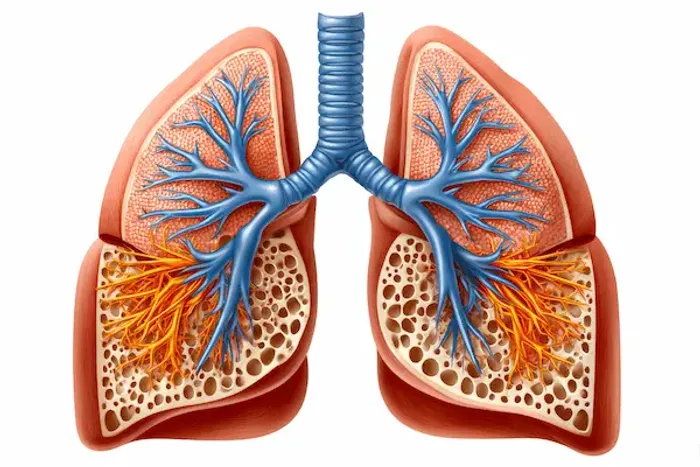
Living with a lung condition can be challenging, but understanding your diagnosis is the first step toward managing it effectively. Interstitial Lung Disease (ILD) is a group of disorders that cause scarring (fibrosis) of the lungs, making it harder to breathe. If you or a loved one has been diagnosed with ILD, this guide will help you understand the condition, its symptoms, causes, and available treatments—along with practical tips to improve your quality of life.
What Is Interstitial Lung Disease (ILD)?
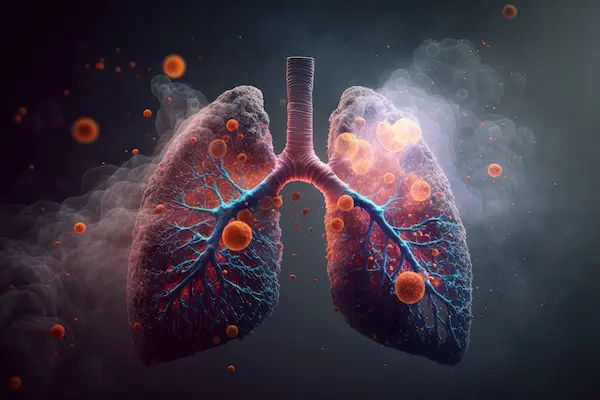
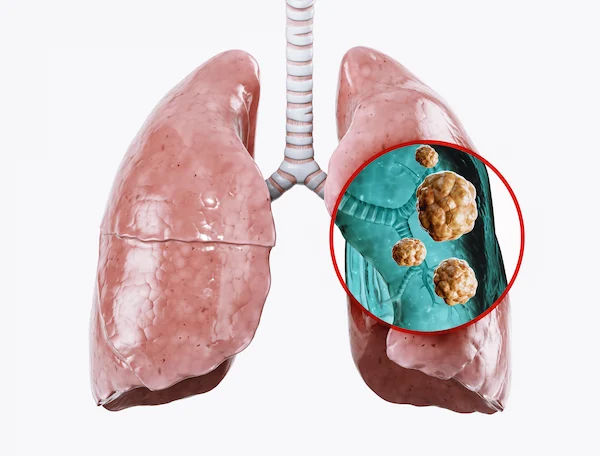
Interstitial Lung Disease refers to a broad category of lung disorders that affect the interstitium, the tissue and space around the air sacs (alveoli) in the lungs. Over time, inflammation and scarring stiffen the lungs, reducing their ability to expand and transfer oxygen into the bloodstream.
Common Types of ILD Include:
- Idiopathic Pulmonary Fibrosis (IPF) – A progressive and irreversible scarring of the lungs with no known cause.
- Hypersensitivity Pneumonitis – Caused by inhaling dust, mold, or other allergens over time.
- Connective Tissue Disease-Associated ILD – Linked to autoimmune diseases like rheumatoid arthritis or scleroderma.
- Sarcoidosis – An inflammatory disease that can affect multiple organs, including the lungs.
Consult a Top Pulmonologist
Symptoms of ILD
The symptoms of ILD develop gradually and may worsen over time. Common signs include:
- Shortness of breath, especially during physical activity
- Dry, persistent cough
- Fatigue and weakness
- Chest discomfort or tightness
- Unintended weight loss
- Clubbing of fingers or toes (a sign of low oxygen levels)
If you experience these symptoms, consult a doctor for proper evaluation. Early diagnosis can help slow disease progression.
What Causes ILD?
The exact cause of ILD varies depending on the type, but common factors include:
- Long-term exposure to irritants (e.g., asbestos, silica dust, bird droppings, mold)
- Autoimmune diseases (e.g., rheumatoid arthritis, lupus)
- Certain medications (e.g., chemotherapy drugs, some heart medications)
- Radiation therapy to the chest
- Genetic factors (in rare cases)
In many cases, the cause remains unknown (idiopathic).
How Is ILD Diagnosed?
If your doctor suspects ILD, they may recommend:
1. Imaging Tests – Chest X-rays or High-Resolution CT (HRCT) scans to detect lung scarring.
2. Pulmonary Function Tests (PFTs) – Measures lung capacity and oxygen exchange.
3. Blood Tests – Checks for autoimmune conditions or infections.
4. Bronchoscopy or Lung Biopsy – In some cases, a small tissue sample is taken for analysis.Early diagnosis helps in managing symptoms and slowing disease progression.
Treatment Options for ILD
While ILD cannot always be cured, treatments focus on slowing progression, relieving symptoms, and improving quality of life.
1. Medications
- Anti-fibrotic drugs (e.g., Pirfenidone, Nintedanib) – Slow lung scarring in IPF.
- Immunosuppressants (e.g., corticosteroids) – Reduce inflammation in autoimmune-related ILD.
- Antibiotics or antifungals – If an infection is present.
2. Oxygen Therapy
For patients with low oxygen levels, supplemental oxygen helps ease breathing and improve energy levels.
3. Pulmonary Rehabilitation
A supervised program that includes breathing exercises, physical activity, and nutritional guidance to strengthen lung function.
4. Lifestyle Changes
- Quit smoking – Smoking worsens lung damage.
- Avoid lung irritants – Stay away from dust, fumes, and pollutants.
- Exercise regularly – Gentle activities like walking improve stamina.
- Eat a balanced diet – Focus on anti-inflammatory foods (fruits, vegetables, lean proteins).
- Get vaccinated – Flu and pneumonia shots reduce infection risks.
5. Lung Transplant
In severe cases where other treatments fail, a lung transplant may be considered.
When to See a Doctor?
If you experience:
- Persistent shortness of breath
- Worsening cough
- Unexplained fatigue or weight loss
- Seek medical advice promptly. Early intervention can make a significant difference.
How Apollo 24|7 Can Help
Managing ILD requires expert care. At Apollo 24|7, you can:
- Consult pulmonologists for personalized treatment plans.
- Book diagnostic tests (CT scans, PFTs) from home.
- Access pulmonary rehabilitation programs.
- Take control of your lung health today and schedule a consultation with our specialists.
Consult a Top Pulmonologist
Consult a Top Pulmonologist
Final Thoughts
Living with ILD can be difficult, but with the right care and lifestyle adjustments, many patients lead fulfilling lives. Stay informed, follow your treatment plan, and don’t hesitate to seek support from healthcare professionals.
Consult a Top Pulmonologist

Dr. P Sravani
Pulmonology Respiratory Medicine Specialist
3 Years • MBBS, MD
Visakhapatnam
Apollo Clinic Vizag, Visakhapatnam

Dr. K Prasanna Kumar Reddy
Pulmonology Respiratory Medicine Specialist
16 Years • MBBS, DTCD (TB&CHEST), DNB (PULM MED), FCCP
Hyderabad
Apollo Medical Centre Kondapur, Hyderabad

Dr. E Prabhakar Sastry
General Physician/ Internal Medicine Specialist
40 Years • MD(Internal Medicine)
Manikonda Jagir
Apollo Clinic, Manikonda, Manikonda Jagir

(200+ Patients)

Dr. Gogineni Ratnakara Rao
Pulmonology Respiratory Medicine Specialist
10 Years • MBBS, MD, DM * American thoracic society (ATS) * European Respiratory Society (ERS) * Indian Chest Society (ICS) * Indian association of Bronchology (IAB)
Hyderabad
Apollo Hospitals Financial District, Hyderabad

Dr Vishwa Vijeth K.
Pulmonology Respiratory Medicine Specialist
8 Years • MBBS, MD ( Respiratory Medicine)
Bangalore
Apollo Clinic Bellandur, Bangalore
Consult a Top Pulmonologist
Dr. P Sravani
Pulmonology Respiratory Medicine Specialist
3 Years • MBBS, MD
Visakhapatnam
Apollo Clinic Vizag, Visakhapatnam
Dr. K Prasanna Kumar Reddy
Pulmonology Respiratory Medicine Specialist
16 Years • MBBS, DTCD (TB&CHEST), DNB (PULM MED), FCCP
Hyderabad
Apollo Medical Centre Kondapur, Hyderabad
Dr. E Prabhakar Sastry
General Physician/ Internal Medicine Specialist
40 Years • MD(Internal Medicine)
Manikonda Jagir
Apollo Clinic, Manikonda, Manikonda Jagir
(200+ Patients)
Dr. Gogineni Ratnakara Rao
Pulmonology Respiratory Medicine Specialist
10 Years • MBBS, MD, DM * American thoracic society (ATS) * European Respiratory Society (ERS) * Indian Chest Society (ICS) * Indian association of Bronchology (IAB)
Hyderabad
Apollo Hospitals Financial District, Hyderabad
Dr Vishwa Vijeth K.
Pulmonology Respiratory Medicine Specialist
8 Years • MBBS, MD ( Respiratory Medicine)
Bangalore
Apollo Clinic Bellandur, Bangalore