

Lung Cancer: Causes, Symptoms, Tests, and Treatment

Written by Dr. Rohinipriyanka Pondugula
Reviewed by Dr. D Bhanu Prakash MBBS, AFIH, Advanced certificate in critical care medicine, Fellowship in critical care medicine
Last updated on 13th Jan, 2026
Introduction
Lung cancer remains one of the most common and serious types of cancer worldwide, but the landscape of diagnosis and treatment is changing rapidly. Understanding what leads to it, recognizing its often subtle signs, and knowing the modern testing and treatment options available can be life-saving. This comprehensive guide demystifies lung cancer, moving from its root causes like smoking and environmental factors to the detailed warning symptoms you should never ignore. We will then walk you through the critical diagnostic tests, from initial screenings like low-dose CT scans to confirmatory biopsies. Finally, we explore the revolutionary advancements in treatment, including targeted therapy and immunotherapy, that are offering new hope to patients. Whether you're concerned for yourself or a loved one, knowledge is your first and most powerful defense.
What is Lung Cancer?
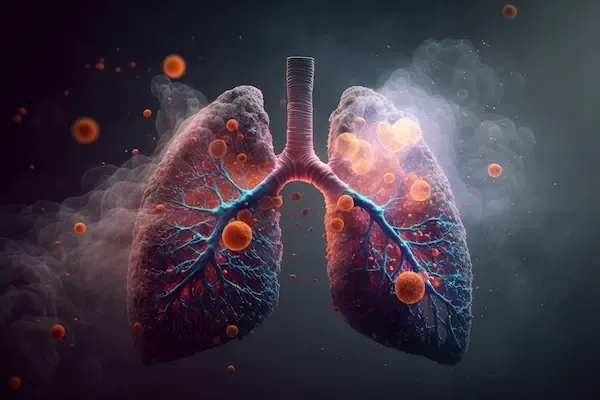
Lung cancer originates when the cells in the lungs undergo genetic mutations, causing them to multiply uncontrollably. This unchecked growth forms a tumour that can interfere with lung function, primarily the vital task of providing oxygen to the bloodstream.
How Healthy Lungs Function
Your lungs are part of a complex system. When you inhale, air travels down your windpipe (trachea), which divides into tubes called bronchi that lead into each lung. These further divide into smaller bronchioles, ending in tiny air sacs called alveoli. It's in the alveoli that oxygen enters your blood, and carbon dioxide, a waste product, is exhaled out.
The Process of Cancer Development
Lung cancer typically starts in the lining of the bronchi. Constant exposure to irritants like tobacco smoke damages these lining cells. Initially, the body can repair this damage, but with prolonged exposure, the genetic material (DNA) within the cells becomes increasingly damaged. Eventually, this damage causes cells to behave abnormally; they don't die when they should and keep dividing, leading to a mass of tissue known as a tumour.
Consult a Medical Oncologist for the best advice
What Leads to Lung Cancer? Key Causes and Risk Factors
While not everyone with risk factors develops the disease, understanding them is crucial for prevention and early detection.
Smoking: The Primary Cause
Cigarette smoking is the number one cause of lung cancer, responsible for about 80-90% of cases. The risk is directly related to the number of packs smoked per day and the number of years a person has smoked. However, quitting at any age can significantly lower your risk. It's also important to note that cigars, pipes, and secondhand smoke are also major risk factors.
Environmental and Occupational Risks
Exposure at work or in your surroundings can impact lung health.
Radon Gas Exposure
Radon is a naturally occurring radioactive gas that comes from the breakdown of uranium in soil and rock. It is invisible, odorless, and tasteless. It can seep into homes through cracks in the foundation, and inhaling it is the second leading cause of lung cancer overall and the leading cause in non-smokers. Testing your home for radon is a simple and critical preventive step.
Asbestos and Other Carcinogens
Workplace exposure to asbestos, arsenic, chromium, nickel, and diesel exhaust can significantly increase lung cancer risk, especially for smokers. Asbestos fibres, once inhaled, can lodge in the lungs for a long time, causing damage that can lead to cancer decades later.
Genetic and Personal History Factors
A family history of lung cancer can suggest a genetic predisposition. Furthermore, if you've had radiation therapy to the chest for another cancer or have a history of COPD or pulmonary fibrosis, your risk is higher.
Recognizing the Signs and Symptoms of Lung Cancer
Lung cancer often doesn't cause symptoms in its earliest, most treatable stages. Symptoms typically appear when the disease is advanced, but being vigilant can lead to earlier diagnosis.
Early-Stage Symptoms (Often Overlooked)
A persistent or worsening cough that doesn't go away ("smoker's cough" that changes).
- Coughing up blood or rust-colored phlegm (hemoptysis).
- Chest pain that is often worse with deep breathing, coughing, or laughing.
- Hoarseness of voice.
- Shortness of breath and wheezing.
Advanced-Stage Symptoms
- Unexplained weight loss and loss of appetite.
- Bone pain, especially in the back or hips.
- Headaches, dizziness, or balance issues if the cancer has spread to the brain.
- Yellowing of the skin and eyes (jaundice) if it spreads to the liver.
Paraneoplastic Syndromes: When Cancer Affects Other Organs
Some lung cancers produce hormone-like substances that cause problems in distant organs, even if the cancer hasn't spread there. These can include blood clots, excess calcium in the blood, or neurological issues.
How is Lung Cancer Diagnosed? A Guide to Tests and Procedures
If you present with symptoms or are at high risk, your doctor will follow a step-by-step process to diagnose lung cancer.
Initial Screening and Imaging Tests
Early detection is key to effective treatment. Initial screening and imaging tests for lung cancer include:
Low-Dose CT Scan (LDCT) for High-Risk Individuals
For those at high risk (e.g., long-term smokers aged 50-80), annual screening with LDCT is recommended. This special CT scan uses a low amount of radiation to create detailed images of the lungs and can detect small nodules long before they cause symptoms, significantly reducing mortality rates.
Chest X-ray and PET-CT Scan
A chest X-ray may be the first test to find a suspicious mass. If something is found, a PET-CT scan is often used next. This combines a CT scan with a positron emission tomography (PET) scan, which uses a radioactive sugar tracer to highlight metabolically active cancer cells throughout the body, helping to identify potential spread.
Biopsy Procedures: Confirming the Diagnosis
Imaging can suggest cancer, but a biopsy, removing a small sample of tissue is needed for a definitive diagnosis.
Bronchoscopy
A thin, lighted tube (bronchoscope) is passed through the mouth or nose into the airways. The doctor can visualise the airways and remove small tissue samples.
Needle Biopsy
If the tumour is on the outer edges of the lung, a needle biopsy may be performed. Guided by CT imaging, a thin needle is passed through the chest wall to extract tissue from the suspicious nodule.
Determining the Cancer Type and Stage
The biopsied tissue is analyzed by a pathologist to confirm it's cancer and determine the type (e.g., NSCLC vs. SCLC). Genetic (Molecular) Testing is now standard; it looks for specific gene mutations (like EGFR or ALK) in the cancer cells, which can guide targeted therapy options.
Staging Lung Cancer: What Do the Stages Mean?
Staging describes the extent of the cancer in the body and is critical for determining prognosis and treatment.
The TNM System Explained
- Doctors use the TNM system:
- T (Tumour): Size and location of the primary tumour.
- N (Node): Whether the cancer has spread to nearby lymph nodes.
- M (Metastasis): Whether the cancer has spread (metastasized) to other organs.
Prognosis and Survival Rates by Stage
These rates are statistical estimates. Your individual prognosis is unique to you.
- Stage I & II: Cancer is confined to the lung. Treatment is often curative with surgery. The 5-year survival rate is high (e.g., 60-90% for Stage I).
- Stage III: Cancer has spread to lymph nodes in the chest. Treatment is more complex, often involving a combination of chemo, radiation, and sometimes surgery.
- Stage IV (Metastatic): Cancer has spread to other parts of the body. While typically not curable, modern treatments can often control the disease for years, allowing patients to maintain a good quality of life.
Modern Lung Cancer Treatment Options
Treatment is highly personalised, based on the cancer type, stage, genetic markers, and the patient's overall health.
Surgery for Early-Stage Lung Cancer
The goal is to remove the tumour and a margin of healthy tissue. Procedures range from removing a small wedge of the lung (wedge resection) to an entire lobe (lobectomy) or the whole lung (pneumonectomy).
Radiation Therapy
High-powered energy beams, like X-rays, are used to kill cancer cells. It's often used before surgery to shrink a tumour, after surgery to kill remaining cells, or as the primary treatment for those who cannot have surgery.
Chemotherapy
Uses powerful drugs to kill rapidly dividing cells throughout the body. It is often used before or after surgery, in combination with radiation, or as the main treatment for advanced cancer.
Targeted Therapy
These drugs specifically target the genetic mutations (like EGFR or ALK) that drive the cancer's growth. They are often very effective with fewer side effects than chemo, but they only work if the cancer has that specific mutation.
Immunotherapy: A Revolutionary Approach
These drugs don't attack the cancer directly. Instead, they help your own immune system recognize and destroy cancer cells. They have dramatically improved outcomes for many patients with advanced lung cancer.
Prevention and Early Detection Strategies
- While not all lung cancer is preventable, you can drastically reduce your risk.
- Quitting Smoking and Avoiding Secondhand Smoke: This is the single most effective action you can take.
- Testing Your Home for Radon: Inexpensive radon test kits are available at most hardware stores.
Knowing When to See a Doctor: If you have a persistent cough, chest pain, or any other concerning symptoms of lung cancer, especially if you have risk factors, don't wait. If symptoms persist beyond two weeks, consult a doctor online with Apollo24|7 for further evaluation. They can assess your risk and recommend next steps, which may include a low-dose CT scan.
Living with Lung Cancer: Support and Management
A diagnosis is life-changing. Palliative care teams focus on relieving symptoms and side effects, improving quality of life for patients and families. Nutritional support, physical therapy, pain management, and joining support groups are all integral parts of comprehensive cancer care.
Conclusion
The journey through understanding lung cancer, from its causes rooted in smoking and environmental exposure, to recognizing its often silent signs, and navigating the sophisticated tests and treatment options, can feel overwhelming. Knowledge empowers you to take preventive actions, such as quitting smoking and testing for radon. Awareness of symptoms encourages early detection, which is paramount for a better prognosis. Most importantly, the field of oncology has been transformed by breakthroughs in targeted therapy and immunotherapy, turning what was once a dire diagnosis into a manageable condition for many. If you have any concerns about your lung health, the most important step is to speak with a healthcare professional.
Consult a Medical Oncologist for the best advice
Consult a Medical Oncologist for the best advice

Dr Gowshikk Rajkumar
Oncologist
10 Years • MBBS, DMRT, DNB in Radiation oncology
Bengaluru
Apollo Clinic, JP nagar, Bengaluru

Dr. Spoorthi G Reddy
Oncologist
10 Years • MBBS, MD (Medicine), DrNB (Medical Oncology)
Bengaluru
Apollo Clinic, HSR Layout, Bengaluru

Dr. B Shravanthi Reddy
Radiation Specialist Oncologist
8 Years • MBBS, DNB(Radiation Oncology)
Manikonda Jagir
Apollo Clinic, Manikonda, Manikonda Jagir
Dr. Vishwanath S
Oncologist
8 Years • MBBS, MD, DM, Fellowship at MD Anderson Cancer Center
Bengaluru
Apollo Spectra Hospitals, Koramangala, Bengaluru
Dr Devashish Tripathi
Radiation Specialist Oncologist
20 Years • MBBS, PLAB, MRCP (UK)- General Medicine, FRCR (Oncology), Certificate of Completion of Training (CCT)- Clinical Oncology
Delhi
Apollo Hospitals Indraprastha, Delhi
(25+ Patients)
Consult a Medical Oncologist for the best advice
Dr Gowshikk Rajkumar
Oncologist
10 Years • MBBS, DMRT, DNB in Radiation oncology
Bengaluru
Apollo Clinic, JP nagar, Bengaluru
Dr. Spoorthi G Reddy
Oncologist
10 Years • MBBS, MD (Medicine), DrNB (Medical Oncology)
Bengaluru
Apollo Clinic, HSR Layout, Bengaluru
Dr. B Shravanthi Reddy
Radiation Specialist Oncologist
8 Years • MBBS, DNB(Radiation Oncology)
Manikonda Jagir
Apollo Clinic, Manikonda, Manikonda Jagir
Dr. Vishwanath S
Oncologist
8 Years • MBBS, MD, DM, Fellowship at MD Anderson Cancer Center
Bengaluru
Apollo Spectra Hospitals, Koramangala, Bengaluru
Dr Devashish Tripathi
Radiation Specialist Oncologist
20 Years • MBBS, PLAB, MRCP (UK)- General Medicine, FRCR (Oncology), Certificate of Completion of Training (CCT)- Clinical Oncology
Delhi
Apollo Hospitals Indraprastha, Delhi
(25+ Patients)
More articles from Lung Cancer
Frequently Asked Questions
Can you get lung cancer if you never smoked?
Yes. While smoking is the biggest risk factor, exposure to radon gas, secondhand smoke, air pollution, and workplace carcinogens can cause lung cancer in non-smokers. Genetic factors may also play a role.
What is the most common first sign of lung cancer?
A persistent, chronic cough that doesn't go away or gets worse is one of the most common first signs. This is often mistaken for a 'smoker's cough' or a lingering cold.
Are there any blood tests for lung cancer?
While there is no standard blood test to diagnose lung cancer, blood tests can be used to help assess overall health, detect paraneoplastic syndromes, and, through 'liquid biopsies,' identify genetic markers from tumour DNA in the blood to guide targeted therapy decisions.
Is lung cancer curable?
Lung cancer is most curable when found at an early stage, before it has spread. Surgery can often be curative for Stage I and II non-small cell lung cancer. Even for advanced stages, while often not curable, modern treatments can effectively control the disease for long periods.
What is the difference between small cell and non-small cell lung cancer?
Non-small cell lung cancer (NSCLC) is the most common type (about 85% of cases). It includes subtypes like adenocarcinoma and squamous cell carcinoma, and it generally grows more slowly. Small cell lung cancer (SCLC) is less common but more aggressive, grows faster, and is more likely to spread early. It is almost always linked to smoking.