Pancreatic Cancer: Overview of Symptoms and Treatment
Know about pancreatic cancer, what it is, causes, symptoms, diagnosis and treatment options. Learn about the lifestyle tips for the prevention and management of cancer.

Written by Dr. Md Yusuf Shareef
Reviewed by Dr. Dhankecha Mayank Dineshbhai MBBS
Last updated on 2nd Mar, 2026
Introduction
Pancreatic cancer is a serious health condition that affects the pancreas, an essential organ responsible for digestion and blood sugar regulation. While it may not be as common as other cancers, it can be aggressive and challenging to treat if not detected early. This article aims to provide you with a clear understanding of pancreatic cancer, its symptoms, causes, and available treatment options in simple, compassionate terms.
What is Pancreatic Cancer?
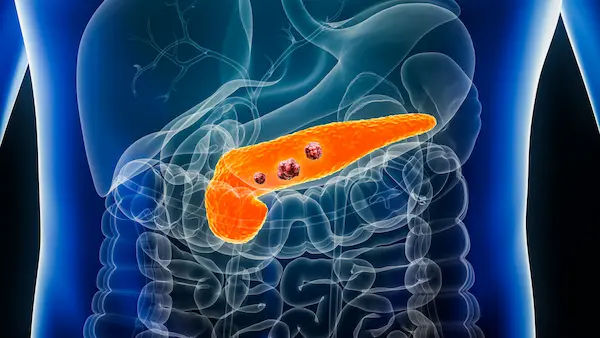
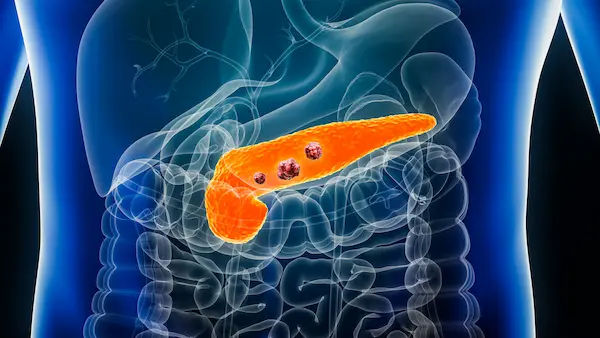
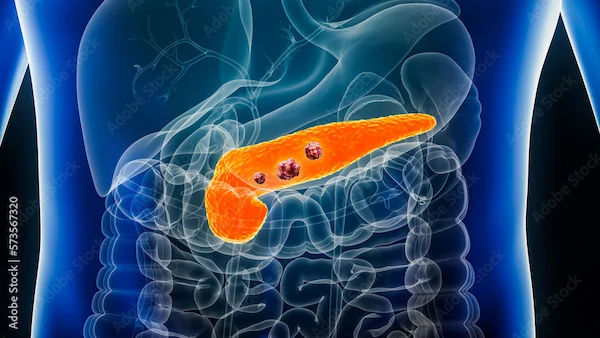
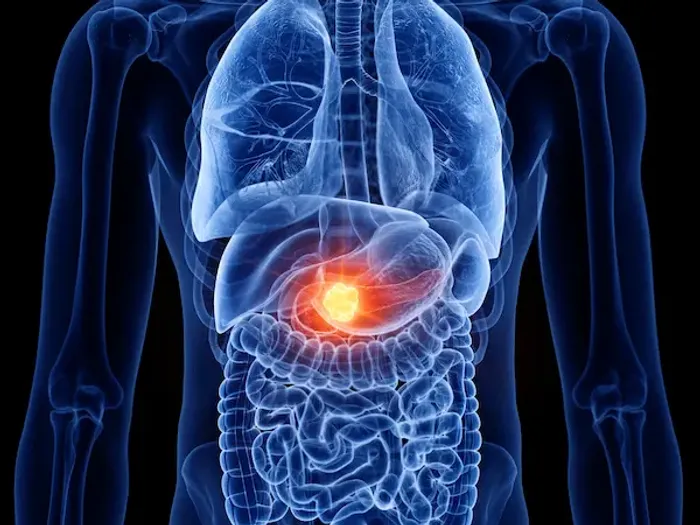
The pancreas is a gland located behind the stomach that helps in digestion (by producing enzymes) and regulates blood sugar (by producing insulin). Pancreatic cancer occurs when abnormal cells in the pancreas grow uncontrollably, forming a tumour.
There are two main types:
1. Exocrine tumours (most common) – Affect the part of the pancreas that produces digestive enzymes.
2. Neuroendocrine tumours (rare) – Affect hormone-producing cells.
Consult an Oncologist for Personalised Advice
Common Symptoms of Pancreatic Cancer
Pancreatic cancer is often called a "silent disease" because symptoms may not appear until the cancer is advanced. However, some warning signs include:
- Jaundice (yellowing of skin and eyes)
- Abdominal or back pain (often dull and persistent)
- Unexplained weight loss
- Loss of appetite
- Nausea and vomiting
- Light-colored stools and dark urine
- New-onset diabetes or worsening blood sugar control
If you experience any of these symptoms persistently, consult a doctor for further evaluation.
What Causes Pancreatic Cancer?
The exact cause is unknown, but certain risk factors increase the likelihood:
- Age – Most cases occur in people over 60.
- Smoking – Smokers are at higher risk.
- Chronic pancreatitis (long-term pancreas inflammation).
- Family history – Genetic mutations can play a role.
- Obesity and poor diet – High-fat, low-fibre diets may contribute.
- Diabetes – Long-standing diabetes increases risk.
How is Pancreatic Cancer Diagnosed?
Early detection is crucial. Doctors may use:
- Imaging tests (CT scan, MRI, ultrasound)
- Blood tests (to check for tumour markers like CA 19-9)
- Biopsy (taking a small tissue sample for testing)
- If you have risk factors or symptoms, early screening can help in timely diagnosis.

Treatment Options for Pancreatic Cancer
Treatment depends on the cancer stage and overall health. Options include:
1. Surgery – Removes the tumour if detected early (Whipple procedure, distal pancreatectomy).
2. Chemotherapy – Uses drugs to kill cancer cells.
3. Radiation therapy – Targets cancer with high-energy beams.
4. Targeted therapy & Immunotherapy – Newer treatments that attack specific cancer cells.
5. Palliative care – Focuses on relieving symptoms and improving quality of life in advanced cases.
Lifestyle Tips for Prevention & Management
While not all cases can be prevented, these steps may help reduce risk:
- Quit smoking – Smoking is a major risk factor.
- Maintain a healthy weight – Obesity increases risk.
- Eat a balanced diet – Include fruits, vegetables, and whole grains.
- Limit alcohol – Heavy drinking can cause pancreatitis.
- Exercise regularly – Helps maintain overall health.
When to See a Doctor?
If you have persistent symptoms like unexplained weight loss, jaundice, or abdominal pain, don’t ignore them. Early diagnosis improves treatment success.
Final Thoughts
Pancreatic cancer can be daunting, but awareness and timely medical care make a difference. Stay informed, listen to your body, and seek help if something feels wrong. You are not alone. Medical professionals are here to support you every step of the way.
Consult an Oncologist for Personalised Advice
Consult an Oncologist for Personalised Advice

Dr Gowshikk Rajkumar
Oncologist
10 Years • MBBS, DMRT, DNB in Radiation oncology
Bengaluru
Apollo Clinic, JP nagar, Bengaluru

Dr. Spoorthi G Reddy
Oncologist
10 Years • MBBS, MD (Medicine), DrNB (Medical Oncology)
Bengaluru
Apollo Clinic, HSR Layout, Bengaluru

Dr Ankit Jain
Medical Oncologist
20 Years • MBBS, (MAMC Delhi), MRCP Oncology (London), MRCP Medicine (London), MSC Oncology(UK) CCT(UK)
Delhi
Apollo Hospitals Indraprastha, Delhi

Dr. B Shravanthi Reddy
Radiation Specialist Oncologist
8 Years • MBBS, DNB(Radiation Oncology)
Manikonda Jagir
Apollo Clinic, Manikonda, Manikonda Jagir

Dr. Indranil Ghosh
Oncologist
13 Years • MBBS, MD, DM (Med. Onco.)
Kolkata
Apollo Multispeciality Hospitals , Kolkata, Kolkata

(100+ Patients)
Consult an Oncologist for Personalised Advice
Dr Gowshikk Rajkumar
Oncologist
10 Years • MBBS, DMRT, DNB in Radiation oncology
Bengaluru
Apollo Clinic, JP nagar, Bengaluru
Dr. Spoorthi G Reddy
Oncologist
10 Years • MBBS, MD (Medicine), DrNB (Medical Oncology)
Bengaluru
Apollo Clinic, HSR Layout, Bengaluru
Dr Ankit Jain
Medical Oncologist
20 Years • MBBS, (MAMC Delhi), MRCP Oncology (London), MRCP Medicine (London), MSC Oncology(UK) CCT(UK)
Delhi
Apollo Hospitals Indraprastha, Delhi
Dr. B Shravanthi Reddy
Radiation Specialist Oncologist
8 Years • MBBS, DNB(Radiation Oncology)
Manikonda Jagir
Apollo Clinic, Manikonda, Manikonda Jagir
Dr. Indranil Ghosh
Oncologist
13 Years • MBBS, MD, DM (Med. Onco.)
Kolkata
Apollo Multispeciality Hospitals , Kolkata, Kolkata
(100+ Patients)