Parkinson's Disease Overview and Key Information
Discover essential information about Parkinson's disease, including its symptoms, causes, diagnosis, and available treatment options to help manage the condition effectively.

Written by Dr. J T Hema Pratima
Reviewed by Dr. Rohinipriyanka Pondugula MBBS
Last updated on 17th Mar, 2026

Introduction
Parkinson’s disease is a progressive neurological disorder that affects movement and can cause various other symptoms. While it is more common in older adults, it can also affect younger individuals. Understanding Parkinson’s disease, its symptoms, causes, and management can help patients and their families cope better with the condition.
What is Parkinson’s Disease?
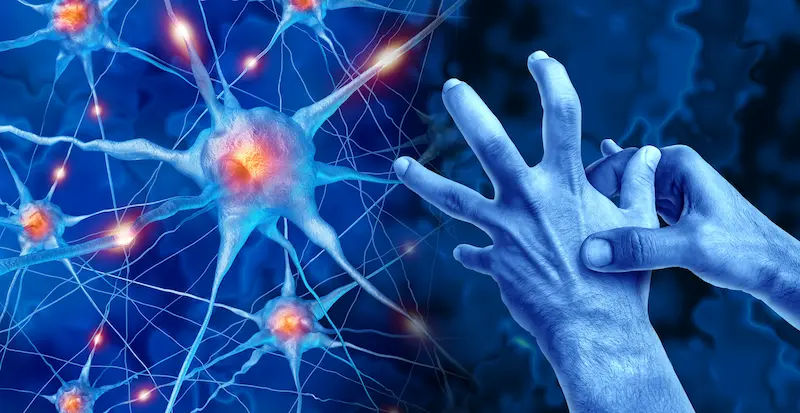
Parkinson’s disease occurs when certain nerve cells (neurons) in the brain that produce dopamine (a chemical responsible for smooth and coordinated movements) become damaged or die. The loss of dopamine leads to movement-related symptoms such as tremors, stiffness, and slow movements.
Consult Top Specialists for Personalised Tips
Common Symptoms of Parkinson’s Disease
Symptoms develop gradually and may vary from person to person. The most common signs include:
Motor Symptoms:
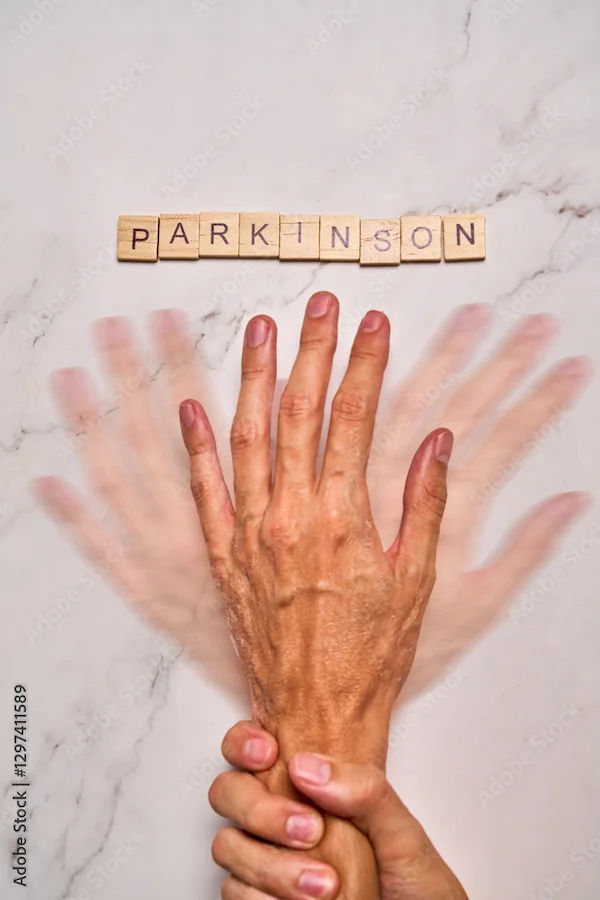
Tremors – Shaking, usually starting in the hands or fingers.
Bradykinesia – Slowed movements, making simple tasks difficult.
Muscle stiffness – Rigidity in arms, legs, or trunk.
Postural instability – Balance problems, leading to falls.
Shuffling gait – Small, quick steps while walking.
Non-Motor Symptoms:
Sleep disturbances – Trouble sleeping or excessive daytime sleepiness.
Loss of smell – Reduced ability to detect odors.
Mood changes – Depression, anxiety, or irritability.
Cognitive changes – Memory problems or difficulty concentrating in later stages.
Speech and swallowing difficulties – Soft or slurred speech.
What Causes Parkinson’s Disease?
The exact cause is unknown, but research suggests a combination of factors:
Genetics – Some cases are linked to inherited gene mutations.
Environmental factors – Exposure to toxins like pesticides may increase risk.
Age – Most people develop symptoms after age 60.
Lewy bodies – Abnormal protein deposits in the brain may contribute.
How is Parkinson’s Disease Diagnosed?
There is no single test for Parkinson’s. Doctors diagnose it based on:
Medical history – Reviewing symptoms and family history.
Neurological examination – Checking movement, coordination, and reflexes.
Response to medication – Improvement with dopamine-boosting drugs supports the diagnosis.
Imaging tests (MRI, PET scans) – Used to rule out other conditions.
If you or a loved one experience symptoms, consult a neurologist for an accurate diagnosis.
Managing Parkinson’s Disease
While there is no cure, treatments can help manage symptoms and improve quality of life.
Medical Treatments:
Levodopa (L-DOPA) – The most effective medication to boost dopamine levels.
Dopamine agonists – Mimic dopamine effects in the brain.
MAO-B inhibitors & COMT inhibitors – Help prolong the effect of Levodopa.
Deep Brain Stimulation (DBS) – A surgical option for advanced cases.
Lifestyle and Home Remedies:
1. Exercise Regularly – Activities like walking, yoga, and tai chi improve mobility and balance.
2. Healthy Diet – A balanced diet with fiber helps digestion (constipation is common in Parkinson’s).
3. Physical & Speech Therapy – Helps with movement and communication difficulties.
4. Support Groups – Emotional support from others facing similar challenges can be beneficial.
5. Fall Prevention – Use assistive devices (canes, walkers) to avoid injuries.
When to See a Doctor?
If you notice:
Persistent tremors or stiffness
Slowed movements affecting daily tasks
Unexplained balance problems
Changes in speech or handwriting
Consult a neurologist for early diagnosis and treatment.
Final Thoughts
Parkinson’s disease is a lifelong condition, but with proper medical care, lifestyle adjustments, and support, patients can lead fulfilling lives. Early diagnosis and treatment can significantly slow symptom progression.
Consult Top neurologist
Consult Top Specialists for Personalised Tips

Dr. Devashish Vyas
Interventional Neurologists
8 Years • MD (Medicine), DNB (Neurology), FNVI
Ahmedabad
Apollo Hospitals Gandhinagar, Ahmedabad

Dr. Avinash Gupta
Neurologist
12 Years • MBBS, DNB - Neurology
Bilaspur
Apollo Hospitals Seepat Road, Bilaspur

(150+ Patients)

Dr. Abhisek Nanda
Neurologist
10 Years • DM (NEUROLOGY) ,DNB(MEDICINE)
Rourkela
Apollo Hospitals, Rourkela, Rourkela
(150+ Patients)

Dr. Andugulapati Santosh Sriram
Neurologist
6 Years • MBBS, MD, DM (NEUROLOGY)
Hyderguda
Apollo Hospitals Hyderguda, Hyderguda

Dr. Gandeti Ranjith
Neurologist
10 Years • DM (Neurology) FSIN (Fellowship in stroke and intervention neurology) MD (Internal Medicine)
Hyderabad
Apollo Hospitals Financial District, Hyderabad
Consult Top neurologist
Dr. Devashish Vyas
Interventional Neurologists
8 Years • MD (Medicine), DNB (Neurology), FNVI
Ahmedabad
Apollo Hospitals Gandhinagar, Ahmedabad
Dr. Avinash Gupta
Neurologist
12 Years • MBBS, DNB - Neurology
Bilaspur
Apollo Hospitals Seepat Road, Bilaspur
(150+ Patients)
Dr. Abhisek Nanda
Neurologist
10 Years • DM (NEUROLOGY) ,DNB(MEDICINE)
Rourkela
Apollo Hospitals, Rourkela, Rourkela
(150+ Patients)
Dr. Andugulapati Santosh Sriram
Neurologist
6 Years • MBBS, MD, DM (NEUROLOGY)
Hyderguda
Apollo Hospitals Hyderguda, Hyderguda
Dr. Gandeti Ranjith
Neurologist
10 Years • DM (Neurology) FSIN (Fellowship in stroke and intervention neurology) MD (Internal Medicine)
Hyderabad
Apollo Hospitals Financial District, Hyderabad