Fungal Skin Infection Overview and Management
Fungal skin infections like athlete’s foot or ringworm cause itching, redness, and discomfort. Learn about symptoms, causes, treatments, and prevention tips for healthy skin.

Written by Dr. Md Yusuf Shareef
Reviewed by Dr. J T Hema Pratima MBBS, Fellowship in Diabetes Mellitus
Last updated on 13th Jan, 2026

Fungal skin infections are common and can affect anyone, regardless of age or gender. While they are usually not serious, they can be uncomfortable and sometimes persistent if not treated properly. If you or a loved one is dealing with itchy, red, or scaly skin, you might be experiencing a fungal infection. The good news is that most fungal infections are treatable with proper care and medication.
In this article, we’ll discuss what fungal skin infections are, their symptoms, causes, and how you can manage them effectively.
What Are Fungal Skin Infections?
Fungal skin infections occur when fungi (tiny microorganisms) grow on the skin and multiply, leading to irritation and discomfort. These infections thrive in warm, moist environments, making areas like the feet, groin, and underarms common targets.
Some common types of fungal skin infections include:
1. Athlete’s Foot (Tinea Pedis) – Affects the feet, especially between the toes.
2. Ringworm (Tinea Corporis) – Causes circular, red, scaly patches on the skin.
3. Jock Itch (Tinea Cruris) – Occurs in the groin area.
4. Yeast Infections (Candidiasis) – Often affects skin folds, nails, and mouth.
5. Nail Fungus (Onychomycosis) – Causes thickened, discolored nails.
Symptoms of Fungal Skin Infections
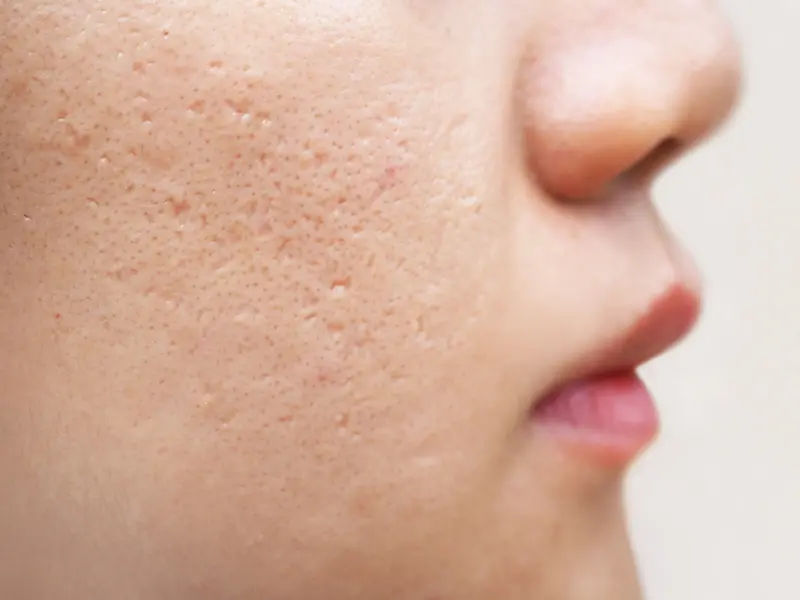
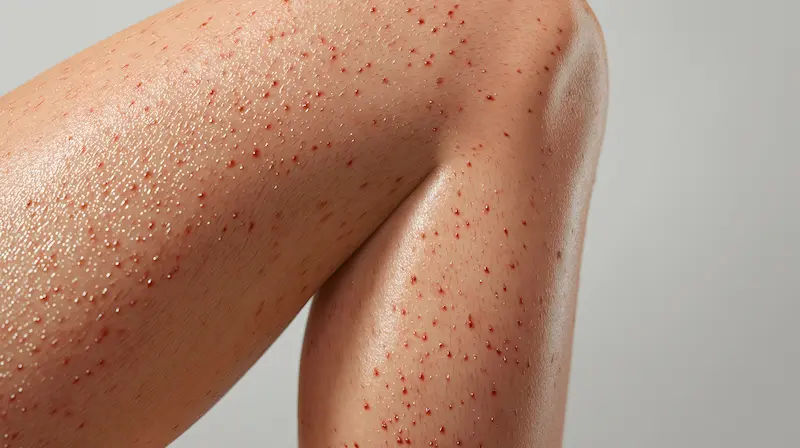
The symptoms vary depending on the type of infection, but common signs include:
- Red, itchy, or scaly patches on the skin
- Peeling or cracking skin
- Blisters or oozing in severe cases
- Discolored or Discoloured nails (in nail infections)
- Burning or stinging sensation
If you notice any of these symptoms, it’s best to consult a doctor for proper diagnosis and treatment.
What Causes Fungal Skin Infections?
Fungi thrive in warm, damp environments, so certain habits and conditions can increase the risk of infection:
- Sweating excessively – Creates a moist environment for fungi.
- Wearing tight or non-breathable clothing – Traps moisture.
- Walking barefoot in public showers or pools – Increases exposure to fungi.
- Weakened immune system – Makes it harder for the body to fight infections.
- Poor hygiene – Not keeping skin clean and dry can promote fungal growth.
How to Manage and Prevent Fungal Infections
1. Keep Skin Clean and Dry
- Wash the affected area with mild soap and water daily.
- Dry thoroughly, especially in skin folds (between toes, underarms, groin).
- Use antifungal powders to reduce moisture.
2. Wear Breathable Clothing
- Choose cotton or moisture-wicking fabrics.
- Avoid tight-fitting clothes that trap sweat.
Consult Top Dermatologist
3. Avoid Sharing Personal Items
- Towels, socks, shoes, and razors can spread fungal infections.
4. Use Antifungal Treatments
- Over-the-counter creams (clotrimazole, miconazole) can help mild infections.
- For persistent infections, a doctor may prescribe oral antifungal medications.
5. Home Remedies (Supportive Care)
- Tea tree oil – Has natural antifungal properties (dilute before applying).
- Apple cider vinegar – Can help reduce fungal growth (use diluted).
- Coconut oil – Contains antifungal fatty acids.
Note: Home remedies may help but should not replace medical treatment for severe infections.
When to See a Doctor
While many fungal infections can be treated at home, you should consult a doctor if:
- The infection does not improve with over-the-counter treatments.
- The skin becomes swollen, painful, or starts oozing.
- You have diabetes or a weakened immune system, as infections can worsen quickly.
If you suspect a fungal infection, you can easily book a dermatologist consultation or schedule a test through Apollo 24|7 for quick diagnosis and treatment.
Final Thoughts
Fungal skin infections are common but manageable with proper hygiene and treatment. By keeping your skin clean, dry, and protected, you can prevent these infections from recurring. If symptoms persist, don’t hesitate to seek medical advice for effective treatment.
Need defence advice? Book a consultation with a dermatologist on Apollo 24|7 today!
Consult Top Dermatologist
Consult Top Dermatologist

Dr. Yogesh H R
Dermatologist
31 Years • MBBS, MD
Bengaluru
Apollo Hospitals Jayanagar, Bengaluru

Dr Gayatri Rajesh
Dermatologist
12 Years • MBBS., DDVL
Chennai
Apollo Medical Centre Kotturpuram, Chennai

Dr Shruti Kharbanda
Dermatologist
5 Years • MD, MBBS
Delhi
Apollo Hospitals Indraprastha, Delhi

(25+ Patients)

Dr Sidhartha Dayal Shah
Dermatologist
5 Years • MBBS,
Guwahati
Apollo Excelcare Hospital, Guwahati
(50+ Patients)

Dr. Manjyot Gautam
Dermatologist
17 Years • MBBS, MD
Mumbai
Apollo Hospitals CBD Belapur, Mumbai
(75+ Patients)
Consult Top Dermatologist
Dr. Yogesh H R
Dermatologist
31 Years • MBBS, MD
Bengaluru
Apollo Hospitals Jayanagar, Bengaluru
Dr Gayatri Rajesh
Dermatologist
12 Years • MBBS., DDVL
Chennai
Apollo Medical Centre Kotturpuram, Chennai
Dr Shruti Kharbanda
Dermatologist
5 Years • MD, MBBS
Delhi
Apollo Hospitals Indraprastha, Delhi
(25+ Patients)
Dr Sidhartha Dayal Shah
Dermatologist
5 Years • MBBS,
Guwahati
Apollo Excelcare Hospital, Guwahati
(50+ Patients)
Dr. Manjyot Gautam
Dermatologist
17 Years • MBBS, MD
Mumbai
Apollo Hospitals CBD Belapur, Mumbai
(75+ Patients)