How To Reduce Urine Microalbumin?
Concerned about elevated urine microalbumin? Understand the potential causes and explore strategies for how to reduce microalbumin levels through lifestyle changes and medical management.

Written by Dr. Rohinipriyanka Pondugula
Reviewed by Dr. J T Hema Pratima MBBS, Fellowship in Diabetes Mellitus
Last updated on 13th Jan, 2026
Introduction
If you’ve been diagnosed with high levels of microalbumin in your urine, it’s natural to feel concerned. But don’t worry—this condition is manageable with the right approach. Microalbuminuria (the presence of small amounts of albumin in urine) is often an early sign of kidney damage, especially in people with diabetes or high blood pressure. The good news is that early detection and lifestyle changes can help protect your kidneys and reduce further damage. In this article, we’ll explain what urine microalbumin is, why it matters, and how you can lower it effectively.
What is Urine Microalbumin?
Normally, healthy kidneys filter waste from the blood while keeping essential proteins (like albumin) inside. However, when kidneys are damaged, small amounts of albumin leak into the urine—a condition called microalbuminuria.
Normal range: Less than 30 mg per day (or 30 mg/g creatinine in a spot urine test).
Microalbuminuria: Between 30–300 mg per day.
Macroalbuminuria (severe): More than 300 mg per day, indicating significant kidney damage.
If left untreated, high urine microalbumin can progress to chronic kidney disease (CKD). That’s why early intervention is crucial.
Causes of High Urine Microalbumin
Several factors can contribute to elevated microalbumin levels:
Diabetes (Type 1 or Type 2): Elevated blood sugar levels can cause long-term damage to the kidney's filtering units.
High Blood Pressure (Hypertension): Increased pressure puts strain on the delicate blood vessels within the kidneys.
Heart Disease: Impaired heart function can negatively impact blood circulation to the kidneys.
Obesity & Metabolic Syndrome: Excess body weight increases the workload on the kidneys.
Smoking & Alcohol: These habits can damage blood vessels and worsen overall kidney function.
Family History of Kidney Disease: A genetic predisposition can increase the risk of developing kidney issues.
If you have any of these risk factors, regular urine tests are important to monitor kidney health.
How to Reduce Urine Microalbumin?
The key to lowering microalbumin levels lies in managing underlying conditions and adopting a kidney-friendly lifestyle. Here’s what you can do:
Control Blood Sugar (If You Have Diabetes): Regularly monitor glucose, follow doctor's advice on medication, and adhere to a low-glycemic diet.
Manage Blood Pressure: Maintain BP below 130/80 mmHg by reducing salt intake and taking prescribed ACE inhibitors or ARBs.
Follow a Kidney-Friendly Diet: Reduce protein, eat more fruits, vegetables, and whole grains, limit processed foods and salt, and stay hydrated as advised.
Exercise Regularly: Engage in 30 minutes of daily moderate exercise like walking, swimming, or yoga, while avoiding excessive weightlifting.
Quit Smoking & Limit Alcohol: Stop smoking to protect blood vessels and limit alcohol intake to recommended moderate levels.
Get Regular Checkups: Undergo annual urine microalbumin tests if diabetic or hypertensive, and monitor kidney function with creatinine and eGFR tests.
Consult Top Endocrinologist For Personalised treatment
When to See a Doctor?
Consult a nephrologist (kidney specialist) if:
Your microalbumin levels remain high despite lifestyle changes.
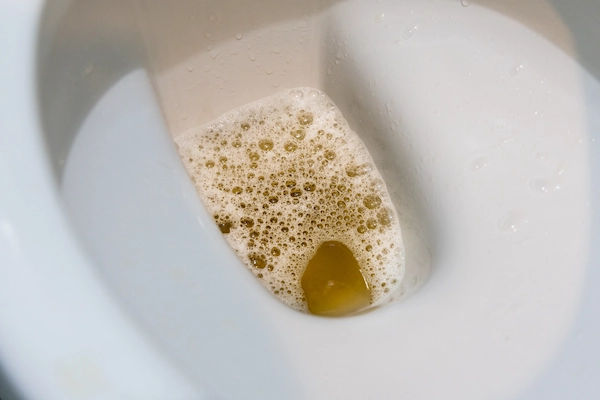
You notice swelling in legs, fatigue, or foamy urine.
Your blood pressure or blood sugar is uncontrolled.
Early treatment can prevent or slow kidney damage.
Conclusion
High urine microalbumin is a warning sign that your kidneys need extra care. By controlling diabetes, blood pressure, and making healthy lifestyle changes, you can protect your kidneys and improve overall health. If you’re unsure about your kidney health, consider booking a urine microalbumin test or consulting a specialist on Apollo 24|7. Early detection and action make all the difference! Stay proactive, and take care of your kidneys—they work hard for you every day.
Consult Top Endocrinologist
Consult Top Endocrinologist For Personalised treatment

Dr. Anand Ravi
General Physician
2 Years • MBBS, FEM
Bengaluru
PRESTIGE SHANTHINIKETAN - SOCIETY CLINIC, Bengaluru

Dr. E Prabhakar Sastry
General Physician/ Internal Medicine Specialist
40 Years • MD(Internal Medicine)
Manikonda Jagir
Apollo Clinic, Manikonda, Manikonda Jagir

(200+ Patients)

Aditya Singh
Endocrinologist
8 Years • MBBS
Bengaluru
Apollo One Electronic City, Bengaluru

Dr Venkata Naga Sai Tribhushan Rambhatla
General Physician
3 Years • MBBS
Bengaluru
PRESTIGE SHANTHINIKETAN - SOCIETY CLINIC, Bengaluru

Dr. Shruthi B
Endocrinologist
20 Years • MBBS,MD ( GEN MED) DM (ENDOCRIONOLOGY)
Bengaluru
Apollo Clinic, JP nagar, Bengaluru
(25+ Patients)
Consult Top Endocrinologist
Dr. Anand Ravi
General Physician
2 Years • MBBS, FEM
Bengaluru
PRESTIGE SHANTHINIKETAN - SOCIETY CLINIC, Bengaluru
Dr. E Prabhakar Sastry
General Physician/ Internal Medicine Specialist
40 Years • MD(Internal Medicine)
Manikonda Jagir
Apollo Clinic, Manikonda, Manikonda Jagir
(200+ Patients)
Aditya Singh
Endocrinologist
8 Years • MBBS
Bengaluru
Apollo One Electronic City, Bengaluru
Dr Venkata Naga Sai Tribhushan Rambhatla
General Physician
3 Years • MBBS
Bengaluru
PRESTIGE SHANTHINIKETAN - SOCIETY CLINIC, Bengaluru
Dr. Shruthi B
Endocrinologist
20 Years • MBBS,MD ( GEN MED) DM (ENDOCRIONOLOGY)
Bengaluru
Apollo Clinic, JP nagar, Bengaluru
(25+ Patients)