


- male
- 50 Years
- 10/05/2022
Management of Diabetes for Preventing Kidney Failure?

Answered by 1 Apollo Doctors

Prefer foods lower in fats, sugar/salt and calories and higher in fiber. Focus on fruits, green vegetables and whole grains. Regular physical activity, take medicines and have regular doctors visits.
Dr. Ibrahim Suggests...
Consult a Nephrologist
Answered 04/07/2025
0
0

More Nephrology Health Queries
View allI'm really concerned about my dad. He was suspected to have multiple myeloma, but his PET scan came back normal. Now he's losing a lot of protein through urine. His latest report shows 1260mg protein in 1750ml of urine over 24 hours. What could this mean, and what should we do next? We live in Thane West, 400607.
Given the high level of protein in your father's urine, its important to investigate the underlying cause further. A visit to a nephrologist and additional tests to assess kidney function and look for signs of kidney damage or systemic diseases will be crucial. I would also recommend that you closely monitor his condition and follow up with your healthcare provider for further guidance.


Answered by 1 Apollo Doctors
What color is urine when your kidneys are failing?
Reduced urine output is a better indicator of failing kidneys than urine colour. Urine colour varies with type of food & amount of water taken, medications, exercise and kidney infection.
Answered by 1 Apollo Doctors
I'm concerned about my creatinine levels. They were at 0.9 last month, but now they've increased to 1.4. Is that considered too high? I'm wondering what could be causing this increase, like could it be something in my diet? I'd love some advice on what I might need to avoid or any precautions I could take to bring it back down. What exactly is the normal range for creatinine levels?
A creatinine level of 1.4 is considered high, especially if it's increased from 0.9 in a month. Normal creatinine levels vary by age, sex, and muscle mass, but generally fall between 0.6 to 1.1 mgdL. To lower creatinine levels, consider these dietary changes and lifestyle adjustments: Dietary Changes 1. Low Protein Diet: Reduce or avoid high-protein foods like red meat, eggs, and dairy products. 2. Fiber-Rich Foods: Increase consumption of legumes, fruits (like apples and papaya), and vegetables. 3. Hydration: Drink plenty of water to help flush out toxins [2). Lifestyle Adjustments 1. Exercise Moderation: Avoid intense workouts and opt for light exercises like walking or yoga. 2. Salt Intake: Limit common salt consumption to maintain healthy blood pressure. 3. Avoid NSAIDs: Limit use of non-steroidal anti-inflammatory drugs (NSAIDs). 4. Supplement Awareness: Consult a doctor before taking creatine or protein supplements. 5. Quit Smoking: Smoking can damage kidneys and increase creatinine levels.
Answered by 1 Apollo Doctors
Health Articles for you
View all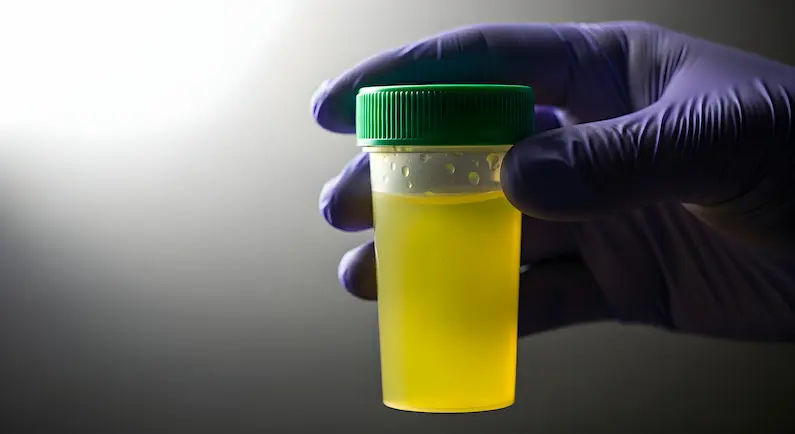


Disclaimer: Answers on Apollo 247 are not intended to replace your doctor advice. Always seek help of a professional doctor in case of an medical emergency or ailment.