


- male
- 50 Years
- 31/03/2021
What 3 foods cardiologists say to avoid?

Answered by 1 Apollo Doctors

Refined sugars, processed foods and high fat content food
Dr. Kareemulla Suggests...
Consult a Cardiologist
Answered 04/07/2025
0
0

More Cardiology Health Queries
View allI've been feeling a bit worried. I'm 14 and I've noticed my heart starts to race, like palpitations, especially after I've had a lot of sugar or after I've been really stressed out for a couple of days. Is this normal? Should I be concerned about this?
Heart palpitations in young individuals can sometimes be triggered by excessive sugar intake and stress. It is important to monitor your sugar consumption and practice stress management techniques. In the meantime, you can try taking a beta-blocker like Propranolol 10mg to help with the palpitations. However, if the palpitations persist or worsen, it is recommended to consult a healthcare professional for further evaluation.


Answered by 1 Apollo Doctors
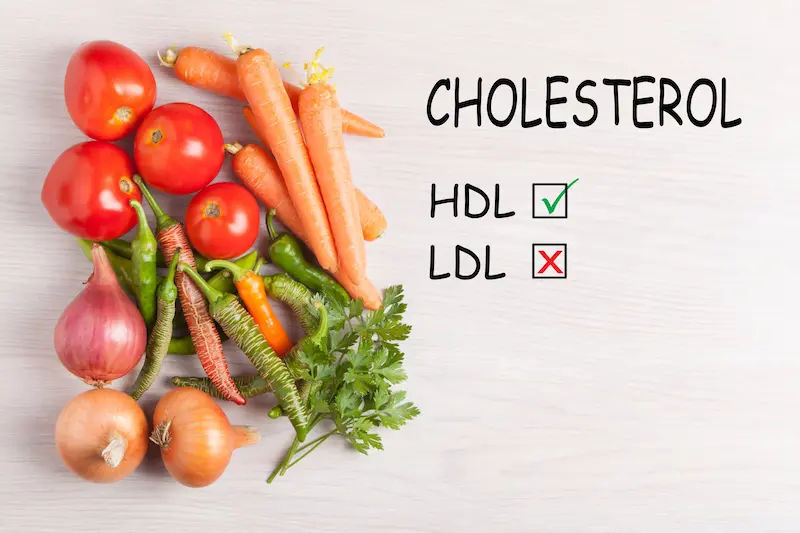
I've recently had my cholesterol tested, and it turns out my HDL cholesterol level is 32. I'm a bit worried and wondering if I should go for any additional tests? Does this low HDL indicate any risk of heart disease?
A low HDL cholesterol level of 32 may increase your risk for heart disease. To further evaluate your heart health, you may consider getting a lipid profile test done. This test will provide more detailed information about your cholesterol levels, including LDL cholesterol, total cholesterol, and triglycerides. Based on the results of the lipid profile, your doctor may recommend lifestyle changes such as regular exercise, a healthy diet, and medication if necessary.
Answered by 1 Apollo Doctors
I'm getting ready for my aviation medical, and I had an ECG done. The report showed ST segment elevation in the anterior, large T waves, and it said "borderline ECG." I'm 20 years old, weigh 82kg, and I'm 176cm tall. Should I be worried about any of these findings? What do they really mean, especially with my age and size?
Based on the ECG findings of ST segment elevation (anterior), large T wave, and borderline ECG, along with your age, weight, and height, it is important to further evaluate these findings. These ECG changes could indicate various conditions such as myocardial infarction, myocarditis, pericarditis, or other cardiac issues. I recommend consulting with a cardiologist for a thorough evaluation and appropriate management. In the meantime, it is important to avoid strenuous physical activity and follow a heart-healthy diet. Medications such as aspirin, nitroglycerin, and beta-blockers may be prescribed based on further evaluation by your cardiologist.
Answered by 1 Apollo Doctors
Health Articles for you
View all


Disclaimer: Answers on Apollo 247 are not intended to replace your doctor advice. Always seek help of a professional doctor in case of an medical emergency or ailment.