

Blood Tests for Knee Pain Diagnosis
Experiencing persistent knee pain? Discover which blood tests help diagnose arthritis, gout, infections, and more—plus tips for relief and when to see a doctor.

Written by Dr. Siri Nallapu
Reviewed by Dr. D Bhanu Prakash MBBS, AFIH, Advanced certificate in critical care medicine, Fellowship in critical care medicine
Last updated on 19th Aug, 2025
Introduction
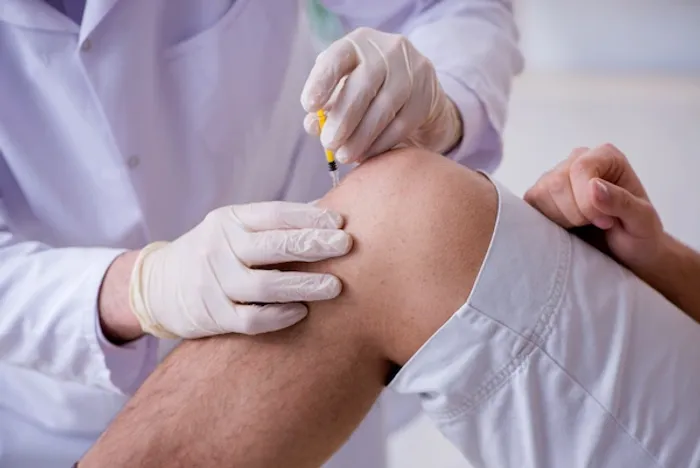
Knee pain is a common issue that can affect people of all ages. While injuries or arthritis are often the primary causes, sometimes knee pain can be linked to underlying medical conditions that require further investigation. Blood tests can be a helpful tool in diagnosing the root cause of persistent knee pain.
This article explores how blood tests assist in diagnosing knee pain, what the results might indicate, and what steps you can take for relief.
Why Are Blood Tests Needed for Knee Pain?
Most knee pain is caused by injuries, wear and tear (osteoarthritis), or inflammation (rheumatoid arthritis). However, if your doctor suspects an infection, autoimmune disorder, or other systemic condition, they may recommend blood tests. These tests help identify:
- Infections like septic arthritis or Lyme disease
- Autoimmune diseases such as rheumatoid arthritis or lupus
- Gout or pseudogout due to high uric acid or calcium crystals
- Vitamin deficiencies, like low vitamin D, which can affect bone health
Consult Top Specialists for Personalised Health Advice
Common Blood Tests for Knee Pain
To determine the cause of persistent knee pain, your doctor may recommend the following blood tests:
1. Complete Blood Count (CBC)
- What it checks: Levels of red blood cells, white blood cells, and platelets.
- Why it’s done: High white blood cells may indicate an infection, while low red blood cells could suggest anaemia, which may worsen joint pain.
2. C-Reactive Protein (CRP) and Erythrocyte Sedimentation Rate (ESR)
- What they check: Signs of inflammation in the body.
- Why they’re done: High levels suggest inflammatory conditions like rheumatoid arthritis or infections.
3. Rheumatoid Factor (RF) and Anti-CCP Antibodies
- What they check: Markers for rheumatoid arthritis (RA).
- Why they’re done: Helps confirm or rule out RA, an autoimmune disease causing joint pain and swelling.
4. Uric Acid Test
- What it checks: Levels of uric acid in the blood.
- Why it’s done: High uric acid can lead to gout, a painful form of arthritis affecting the knee.
5. Vitamin D and Calcium Tests
- What they check: Vitamin D and calcium levels, crucial for bone health.
- Why they’re done: Deficiencies can contribute to bone and joint pain.
6. Lyme Disease Test
- What it checks: Antibodies against Lyme disease bacteria.
- Why it’s done: If knee pain follows a tick bite, this test helps diagnose Lyme-related arthritis.
Get Your Health Assessed


What Do Abnormal Results Mean?
Understanding test results is key to identifying the underlying cause of knee pain:
- High CRP/ESR: Suggests inflammation, possibly due to infection or autoimmune disease.
- Positive RF/Anti-CCP: May indicate rheumatoid arthritis.
- High uric acid: Could mean gout.
- Low vitamin D: May contribute to bone weakness and joint pain.
Your doctor will interpret these results along with your symptoms and imaging tests like X-rays or MRIs to make a diagnosis.
Tips for Managing Knee Pain
While blood tests help identify the cause, managing knee pain often involves lifestyle changes:
1. Maintain a Healthy Weight
- Extra weight puts stress on knees. Losing even a few pounds can reduce pain.
2. Stay Active with Low-Impact Exercises
- Swimming, cycling, and walking strengthen muscles around the knee without straining it.
3. Apply Heat or Cold Therapy
- Cold packs reduce swelling after an injury.
- Warm compresses ease stiffness in chronic conditions like arthritis.
4. Eat an Anti-Inflammatory Diet
- Foods like fish (rich in omega-3s), nuts, leafy greens, and berries help reduce inflammation.
5. Take Supplements if Needed
- If tests show deficiencies, vitamin D, calcium, or glucosamine supplements may help.
6. Avoid Overuse
- Rest your knees if they hurt, and avoid high-impact activities like running on hard surfaces.
When to See a Doctor
Consult a doctor if:
- Knee pain lasts more than a few days
- There’s swelling, redness, or warmth around the joint
- You have a fever along with knee pain, which could indicate an infection
- Pain is severe or limits daily activities
Early diagnosis and treatment can prevent long-term damage.
Schedule a Blood Test or Consultation with Apollo 24|7
If you’re experiencing persistent knee pain, getting the right tests can help identify the cause. Apollo 24|7 offers convenient blood test bookings and online consultations with specialists. You can:
- Book a blood test from home
- Consult a rheumatologist or orthopaedic specialist online
- Get personalised treatment plans
Don’t ignore knee pain—early detection leads to faster recovery and better outcomes!
Final Thoughts
Knee pain can stem from various causes, and blood tests play a crucial role in diagnosing underlying conditions. By understanding these tests and making simple lifestyle changes, you can take control of your knee health. If pain persists, consult a doctor for proper evaluation and treatment.
Would you like to schedule a test or speak to a specialist? Visit Apollo 24|7 today for expert care!
Consult Top Orthopaedicians
Consult Top Orthopaedicians

Dr. Susheel B
Orthopaedician
13 Years • MBBS, MS, Ortho Fellowship in Trauma ( Germany) Fellowship in Arthroscopy and Arthroplasty ( Switzerland)
Bengaluru
Apollo Medical Center, Marathahalli, Bengaluru

Dr. Sundar Kumar B
Orthopaedician
23 Years • MBBS, MS ORTHO, FTRS(GERMANY)
Chennai
Apollo Clinic, Velachery, Chennai

Dr. Sushruth J
Orthopaedician
5 Years • MBBS, MS (ORTHOPEDICS),Fellowship in Arthroplasty,FRGUHS – Spine surgery,FIFA Diploma in Football Medicine
Bengaluru
Apollo Clinic, JP nagar, Bengaluru

Dr. Harshith Patel C
Knee Replacement Surgeon
8 Years • MBBS, MS ORTHOPEADICS, FNB ARTHROPLASTY
Bangalore
Apollo Clinic Bellandur, Bangalore

Dr. Manjunath Gopal
Orthopaedician
16 Years • MBBS, D Ortho, FRCS
Bengaluru
Apollo Clinic, Electronic City, Bengaluru

(25+ Patients)
Consult Top Specialists for Personalised Health Advice
Dr. Susheel B
Orthopaedician
13 Years • MBBS, MS, Ortho Fellowship in Trauma ( Germany) Fellowship in Arthroscopy and Arthroplasty ( Switzerland)
Bengaluru
Apollo Medical Center, Marathahalli, Bengaluru
Dr. Sundar Kumar B
Orthopaedician
23 Years • MBBS, MS ORTHO, FTRS(GERMANY)
Chennai
Apollo Clinic, Velachery, Chennai
Dr. Sushruth J
Orthopaedician
5 Years • MBBS, MS (ORTHOPEDICS),Fellowship in Arthroplasty,FRGUHS – Spine surgery,FIFA Diploma in Football Medicine
Bengaluru
Apollo Clinic, JP nagar, Bengaluru
Dr. Harshith Patel C
Knee Replacement Surgeon
8 Years • MBBS, MS ORTHOPEADICS, FNB ARTHROPLASTY
Bangalore
Apollo Clinic Bellandur, Bangalore
Dr. Manjunath Gopal
Orthopaedician
16 Years • MBBS, D Ortho, FRCS
Bengaluru
Apollo Clinic, Electronic City, Bengaluru
(25+ Patients)